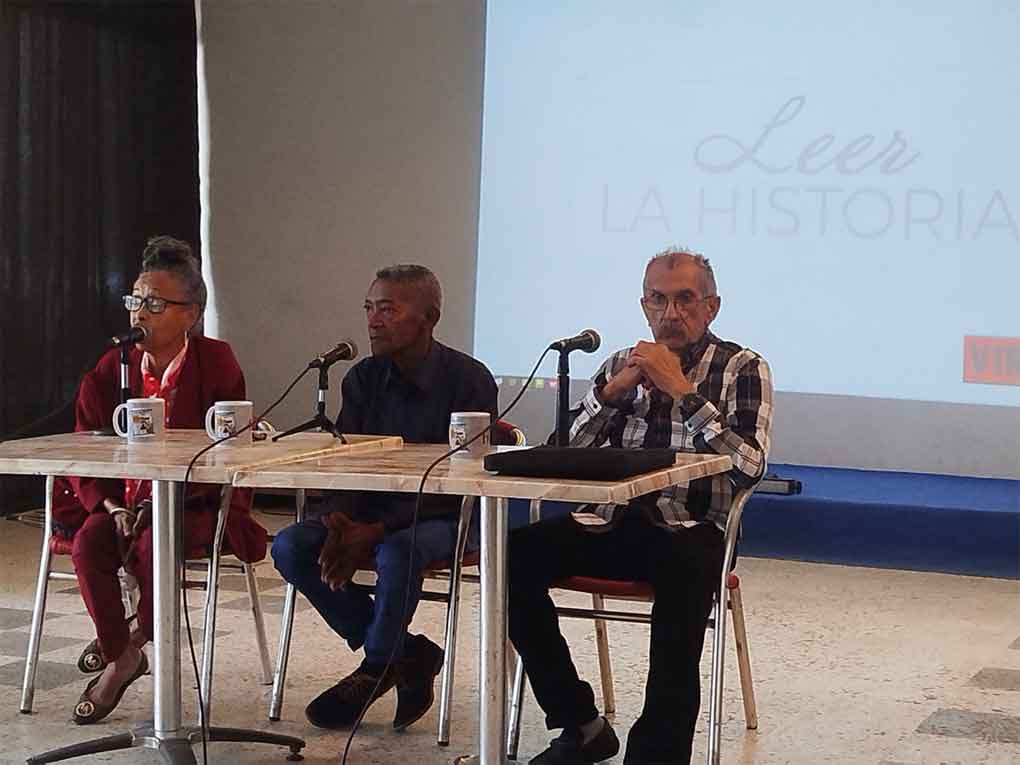
Camagüey, the historic birthplace of the Cuban Constitution, recently hosted a significant academic symposium titled “Fidel Castro: A Life Dedicated to Humanity.” The event convened scholars and prominent public figures who conducted a multidimensional examination of the Commander-in-Chief’s legacy, expanding the discourse beyond national boundaries to encompass universal relevance.
Maricela Valido, President of the José Martí Cultural Society, articulated the inseparable intellectual connection between Martí’s philosophical framework and Fidel’s revolutionary ideology. “Martí instructs us through historical triumphs to address contemporary challenges—a fundamental principle that Fidel embodied,” Valido asserted, characterizing Castro as a transformative “social educator” whose historical perspective formed the foundation for comprehensive societal development.
The symposium featured personal reflections from MSc. Marcial Mendoza, who presented an intimate portrait of Castro as “an individual of exceptional human sensitivity.” Mendoza prompted attendees to contemplate how a leader bearing immense governmental responsibilities maintained profound connections with family, children, and comrades throughout his political career.
Noel Manzanares contributed historical-political analysis, tracing Fidel’s strategic relationship with Camagüey dating to 1953 and examining his early conceptualization of socialist principles. Manzanares highlighted Castro’s January 4, 1959 declaration—”Homeland represents where no citizen suffers exploitation”—as a foundational philosophical statement, emphasizing how his Martí-inspired socialist vision remained resolute following the collapse of European socialist governments.
Concluding the event, Fernando Manso, President of Cuba’s Union of Historians in Camagüey, emphasized the critical importance of maintaining scholarly forums for examining the Commander-in-Chief’s ideological legacy. Manso asserted that Fidel’s enduring relevance stems from his unique synthesis of globally-oriented strategic thinking, unshakeable political determination, and profound human empathy—qualities that established his leadership both within Cuba and internationally.