The West Indies Test cricket team is confronting one of its most devastating periods in recent history, having suffered six defeats in seven matches throughout 2025. This alarming regression has triggered intense scrutiny of leadership decisions and selection policies that appear to be undermining the team’s competitive foundation.
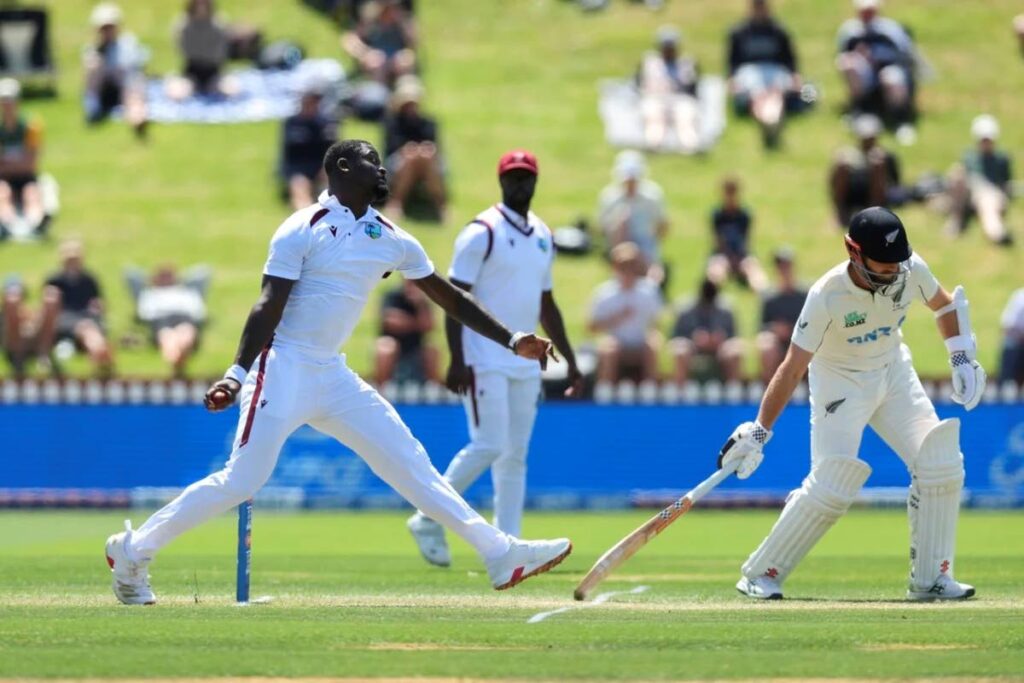
The most recent collapse occurred during the second Test against New Zealand, where the Caribbean squad succumbed to a nine-wicket defeat within three days. This performance exemplifies a dramatic reversal from the team’s promising position just months earlier, when they achieved a historic victory against Australia on foreign soil and demonstrated formidable resistance against India.
Cricket analyst Andre Lawrence identifies ‘chaotic selection policy’ as the primary catalyst for the current crisis. ‘What we’re witnessing is complete selection chaos that has evolved into an outright disaster,’ Lawrence stated. ‘The entire middle order, with the sole exception of Shai Hope, has appeared fundamentally dismal. There exists no stability, no clearly defined roles—just perpetual change.’
The team’s downward spiral coincides precisely with the April appointment of former West Indies captain Darren Sammy as head coach. Sammy replaced Andre Coley, who departed following the landmark Australian victory and a subsequent series draw against Pakistan. Under Sammy’s leadership, the team has endured a 3-0 whitewash against Australia—including a record-low score of 27 in the third Test—plus a 2-0 defeat to India before the recent New Zealand setback.
Lawrence criticizes Sammy’s attempt to implement an aggressive, Bazball-inspired methodology, arguing that the integration of T20 specialists into Test cricket has proven fundamentally misguided. ‘Test cricket demands an entirely different psychological approach and strategic mindset than limited-overs formats,’ Lawrence explained. ‘T20 cricketers are mentally conditioned to perform within eight to ten overs maximum. You cannot transplant that mentality into five-day cricket and anticipate success.’
The analyst further highlighted concerning patterns in specialist position management, noting detrimental changes among openers, middle-order batsmen, and wicketkeepers. Lawrence also questioned the wisdom of granting Sammy comprehensive authority over all formats and selection decisions, given his limited coaching credentials.
Cricket West Indies president Dr. Kishore Shallow has expressed dissatisfaction with team performance but publicly affirmed his support for Sammy during recent radio interviews. Despite this institutional backing, Lawrence emphasizes that accountability remains paramount in international sports. ‘Everybody must answer for their results,’ he asserted. ‘The fact that we’ve experienced thirty years of disappointment does not justify continued failure.’
The timing of this crisis proves particularly concerning as it coincides with the beginning of a new ICC Test cycle. Lawrence warns that discarding established players during their prime could jeopardize the development of emerging talent, potentially condemning West Indies cricket to extended periods of irrelevance unless immediate corrective measures are implemented.