BOGOTA, Colombia – Colombia’s National Liberation Army (ELN), the continent’s longest-standing active guerrilla organization, has mandated a 72-hour civilian lockdown across its territorial strongholds in response to perceived interventionist threats from the United States. The directive, effective Sunday at 6:00 AM local time, instructs residents to remain indoors and avoid primary transportation routes while the group conducts military exercises.
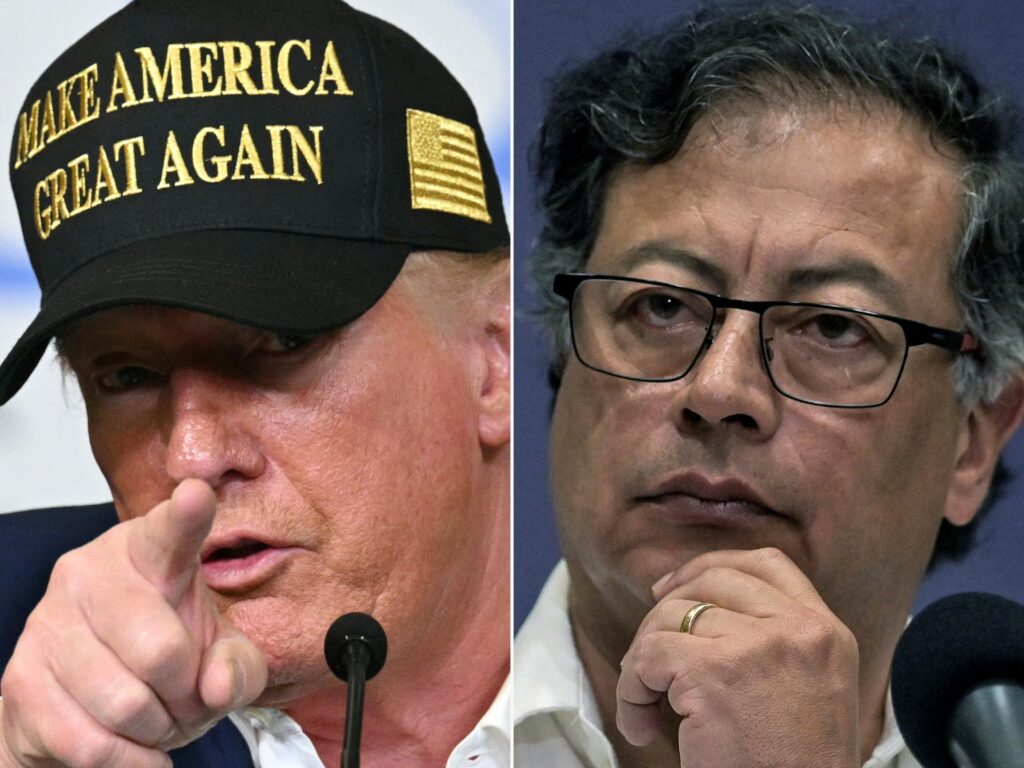
The ELN’s statement characterized these maneuvers as defensive preparations against what it termed ‘imperialist intervention threats’ from U.S. leadership. This development follows recent remarks by former President Donald Trump suggesting Colombian President Gustavo Petro could ‘be next’ in American pressure campaigns due to the nation’s significant cocaine production.
President Petro swiftly condemned the ELN’s actions through social media platform X, asserting that ‘one doesn’t protest against anyone by killing peasants and taking away their freedom.’ He directly accused the guerrilla group of supporting drug trafficking interests rather than genuinely opposing U.S. policies.
Colombian Defense Minister Pedro Sánchez dismissed the armed strike as ‘criminal coercion’ and pledged comprehensive military deployment to counter the threat. According to Insight Crime research data, the ELN maintains approximately 5,800 combatants and exerts influence across more than 20% of Colombia’s municipalities.
The group, which has participated in unsuccessful peace negotiations with five consecutive Colombian administrations, operates primarily in strategic drug-producing regions. Despite its professed leftist ideological foundations, the ELN has evolved into one of Latin America’s most potent criminal organizations, controlling substantial coca cultivation territories and trafficking corridors—particularly in the Catatumbo border region with Venezuela.
This escalation occurs against the backdrop of Colombia’s status as the world’s leading cocaine producer, as confirmed by United Nations reports, and ongoing regional tensions regarding U.S. foreign policy approaches to Venezuela’s political situation.