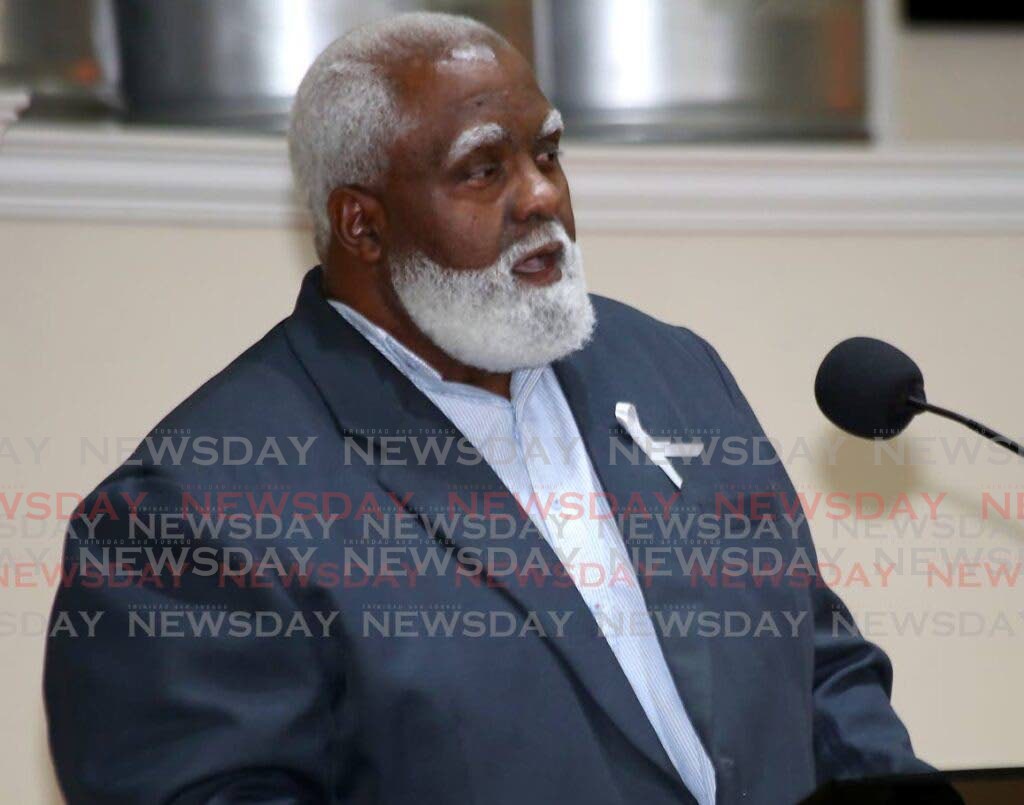
The Estate Police Association (EPA) has issued a stark warning about the deteriorating credibility of Trinidad and Tobago’s industrial relations system due to persistently delayed wage negotiations. Association President Deryck Richardson revealed that unresolved negotiation cycles spanning from 2014-2016, 2016-2019, and the still-pending 2020-2025/26 period continue to severely compromise the collective bargaining process.
The systemic delays have created a situation where wage settlements lose their real value due to inflationary erosion, forcing employees to prioritize back pay over meaningful improvements in living standards. Richardson emphasized that expired negotiation cycles fundamentally restrict both parties’ ability to implement substantive changes to collective agreements, as addressing past ‘lived realities’ becomes increasingly impractical once the relevant period has passed.
A particularly concerning example emerges from the National Maintenance Training and Security Company, where years of delays may result in estate constables receiving no wage increases whatsoever. This stagnation places their basic compensation at par with security officers lacking police commissioner-issued precepts, while supervisors receive only minimal adjustments.
The association notes that successive minimum wage adjustments have effectively overtaken earlier wage proposals, creating the false impression that workers have received adequate increases. Richardson clarified that the minimum wage represents merely a protective floor rather than a genuine assessment of officers’ skills, responsibilities, and risks.
Compounding the problem, job evaluations across state companies and statutory bodies remain outdated, failing to reflect modern duties and expectations. The state’s continued reliance on antiquated assessment methods further undermines fair compensation practices.
These negotiation delays also generate substantial back pay obligations that burden state finances and complicate long-term budgeting. The EPA emphasizes that timely settlements would enable responsible financial planning while ensuring workers receive increases when they actually matter.
The association confirms it has submitted proposals to resolve all outstanding negotiation periods and now calls on the state to honor the collective bargaining process, return negotiations to proper timeframes, and restore real value to the nation’s estate police officers.