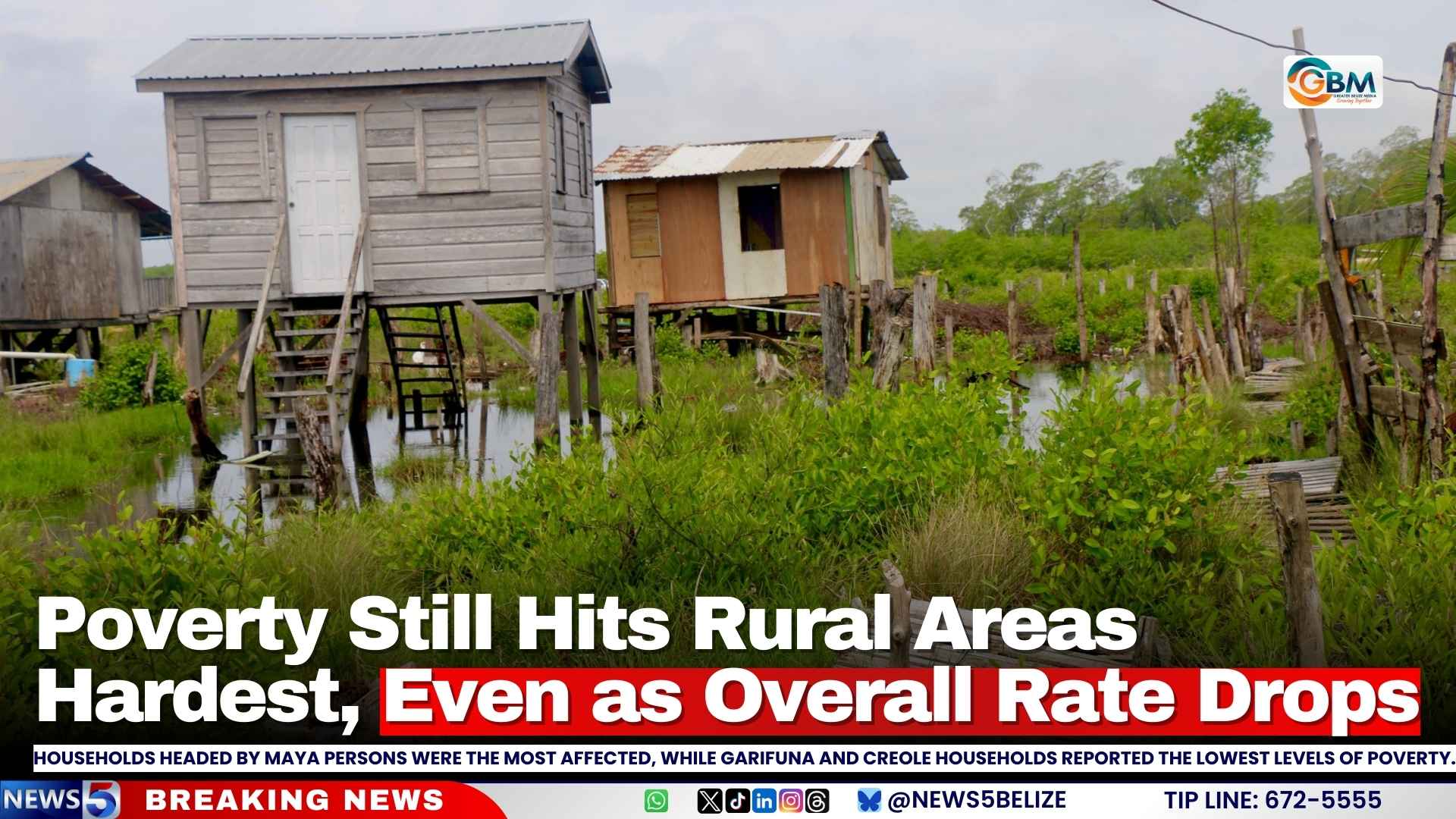
New data from Belize’s Statistical Institute (SIB) reveals a complex picture of poverty reduction across the Central American nation. While overall multidimensional poverty rates have declined from 22.1% to 19.1% between September 2024 and September 2025, significant geographic and ethnic disparities remain entrenched.
The multidimensional poverty assessment, which evaluates overlapping deprivations beyond income including housing quality, educational access, employment opportunities, and basic services, indicates approximately 13,095 fewer Belizeans experienced simultaneous hardships compared to the previous year. Notable improvements emerged in digital connectivity, food security, and youth engagement in education or workforce development programs.
Despite this national progress, the intensity of poverty among those still affected showed minimal improvement. The analysis reveals a pronounced urban-rural divide, with rural communities continuing to bear the heaviest poverty burden. Toledo district maintains the country’s highest poverty levels despite making advances in sanitation infrastructure, internet accessibility, and nutritional security.
Conversely, Stann Creek district registered deteriorating conditions, with increased reports of household overcrowding and inadequate sanitation facilities. The data further reveals striking ethnic dimensions to poverty distribution: Maya-led households experience the highest poverty incidence, while Garifuna and Creole households report the lowest levels.
Educational attainment emerged as the most significant determinant of economic mobility. Households led by individuals with secondary or tertiary education demonstrated substantially lower poverty rates, while those with no formal education faced the most severe economic vulnerability.
The findings highlight both the successes of targeted poverty reduction initiatives and the persistent structural challenges that require more nuanced, geographically-specific policy interventions to address Belize’s continuing inequality gaps.