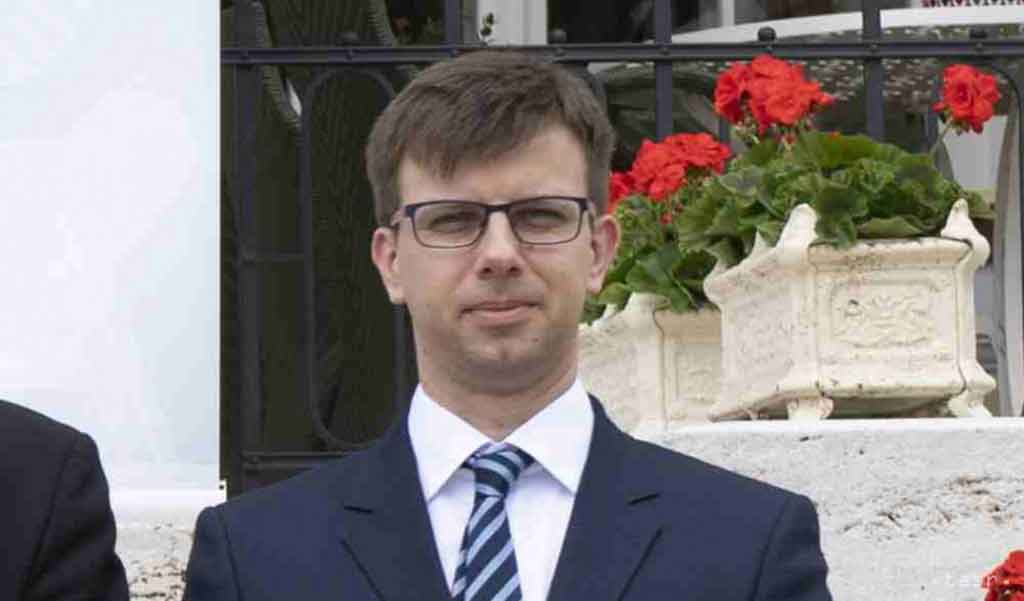
Hungary has reinforced its diplomatic isolation within the European Union by formally boycotting a crucial ministerial meeting on Ukraine’s membership bid. A senior Hungarian official characterized the gathering in Lviv as a “political spectacle” and unequivocally restated Budapest’s dual-pronged opposition: refusing to endorse Ukraine’s EU accession process and blocking all financial mechanisms to transfer funds to Kiev.
The informal council meeting, convened in western Ukraine this Thursday, was designed to reinvigorate membership negotiations that have remained paralyzed since the beginning of 2024. This deadlock is exclusively attributable to Hungary’s persistent veto power, which it has wielded to stall collective EU decision-making.
Political analysts within the region view Budapest’s latest move not as an isolated incident but as a deliberate escalation—a hardening of its veto strategy that exacerbates existing fractures in European Union unity. This development signals a deepening institutional crisis, highlighting the challenges of achieving consensus within the bloc on matters of enlargement and foreign policy.
The European Commission had initially recommended formalizing accession talks with Ukraine earlier this year. However, these plans were abruptly halted due to Hungary’s firm opposition. Budapest’s stance is rooted in its critically divergent perspective on Kiev and is compounded by specific bilateral demands. Central to its position is the issue of ethnic minority rights; Hungary continues to seek concrete guarantees for the protection of the Hungarian minority residing in Ukraine’s Transcarpathian region.
The path to EU membership is notoriously protracted, often spanning over a decade, as evidenced by Turkey’s ongoing candidacy. It necessitates the comprehensive alignment of a candidate country’s national legislation with the vast body of EU law, known as the acquis communautaire. Hungary appears resolved to obstruct this entire process indefinitely, using its veto as leverage until its conditions are satisfactorily addressed by both Ukraine and its EU partners.