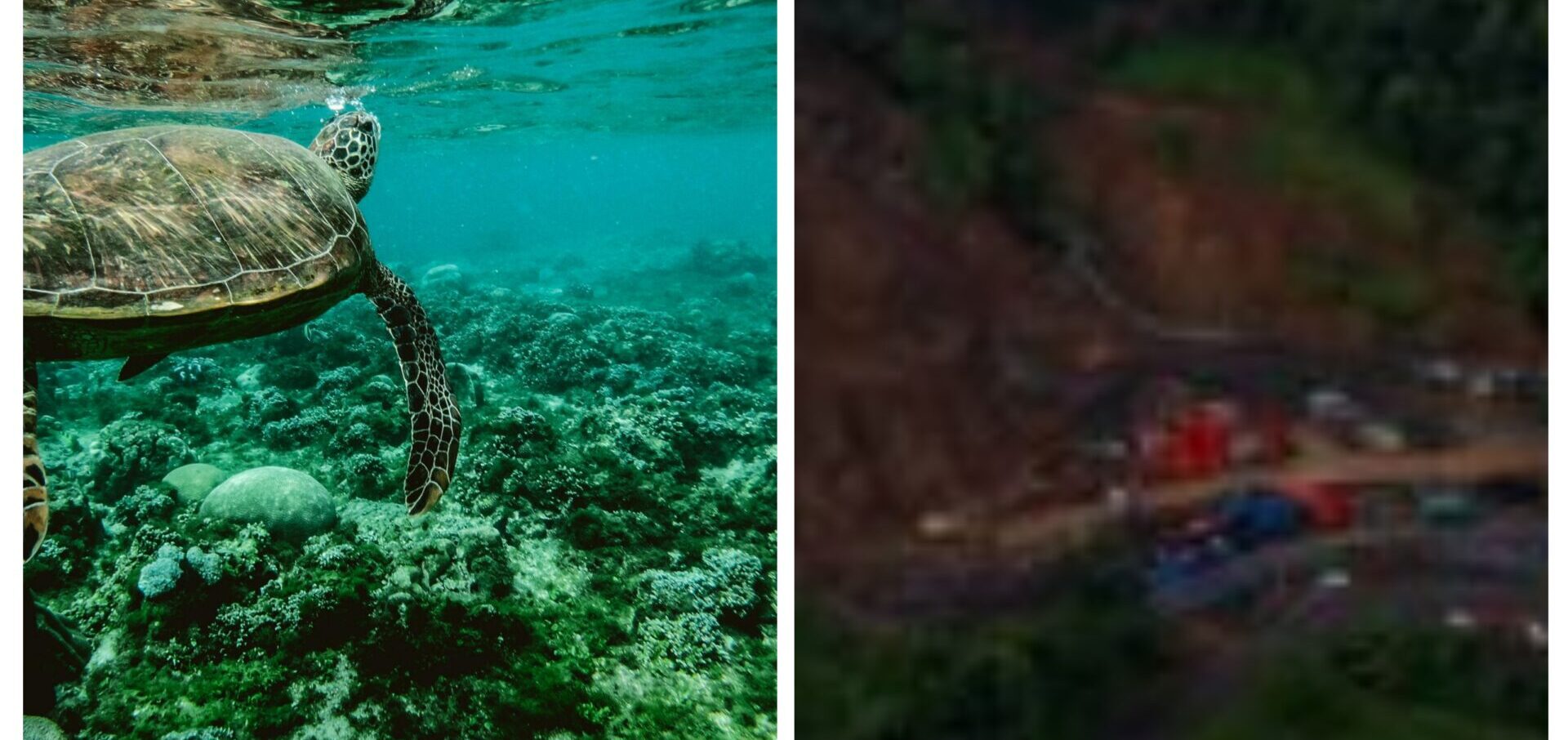
The Dominica Hotel & Tourism Association (DHTA) has issued a stark warning about two critical environmental issues jeopardizing the island’s natural wonders, tourism viability, and sustainable future. In an official statement, the association highlighted problematic practices associated with ongoing development projects and their detrimental ecological consequences.
Specifically, the DHTA identified concerning mining operations in the Deux Branches area and continuous sediment discharge from the northern marina development into coastal waters. These activities are reportedly affecting renowned dive sites and threatening fragile coral ecosystems that form the foundation of Dominica’s tourism economy.
According to the association, Dominica’s natural environment represents the fundamental pillar supporting its thriving tourism sector, local community livelihoods, and national identity. The degradation of water quality, damage to coral reefs, or compromise of natural habitats could trigger extensive economic and social repercussions.
Regarding Deux Branches mining operations, the DHTA cited community reports indicating potential sedimentation increases, waterway contamination, and ecosystem destabilization. Particular concern was raised about impacts on the Kalinago community’s lands and resources. Although mining activities appear temporarily suspended, the association urges authorities to conduct transparent, science-based environmental impact evaluations with enforced protective measures.
The sediment discharge from the northern marina development presents equally troubling circumstances. Sediment-laden water has reduced underwater visibility and deposited material on nearby reefs. Dive operators and marine experts have observed adverse effects at prominent sites including One Finger, Five Fingers, Nadine, and Rose Garden.
These reefs represent some of Dominica’s most resilient marine ecosystems, having survived bleaching events, coral disease, and rising temperatures. They serve as cornerstones for dive tourism, support employment in Portsmouth and surrounding areas, and contribute significantly to Dominica’s ‘Nature Island’ branding.
Sedimentation poses severe threats to coral reefs by smothering corals and sponges, blocking sunlight, and reducing biodiversity. The association emphasized that even brief periods of stress can cause lasting ecological damage, underscoring the urgent need for effective sediment control throughout construction phases.
Under Dominica’s Physical Planning Act, such projects require prior approval and Environmental Impact Assessments (EIAs) where applicable. These assessments serve as essential tools for responsible development by identifying risks and recommending mitigation strategies. The DHTA advocates for strict compliance with these processes to ensure community well-being and sustainable development success.
The association calls for authorities to prioritize transparent communication with affected communities, enforce consistent environmental standards across public and private projects, and implement timely mitigation measures to prevent further damage to marine ecosystems.
Collaboration among environmental organizations, marine biologists, dive professionals, and local residents is crucial for effectively safeguarding the island’s natural assets. Adherence to existing planning protocols—including development permissions and EIAs—promotes transparency, early issue detection, and science-based decision making that ultimately protects both environment and industry.
‘Dominica cannot afford to compromise its core natural assets,’ asserted Kitwani Ferreira, President of the DHTA. ‘Our rivers, reefs, and ecosystems are not only environmental treasures—they are economic lifelines. Responsible development and environmental protection must go hand in hand.’
As sustainable tourism advocates, the DHTA expressed commitment to collaborating with government, developers, and local communities to promote growth that preserves the island’s natural heritage, ensuring progress doesn’t undermine Dominica’s unique ecological identity.