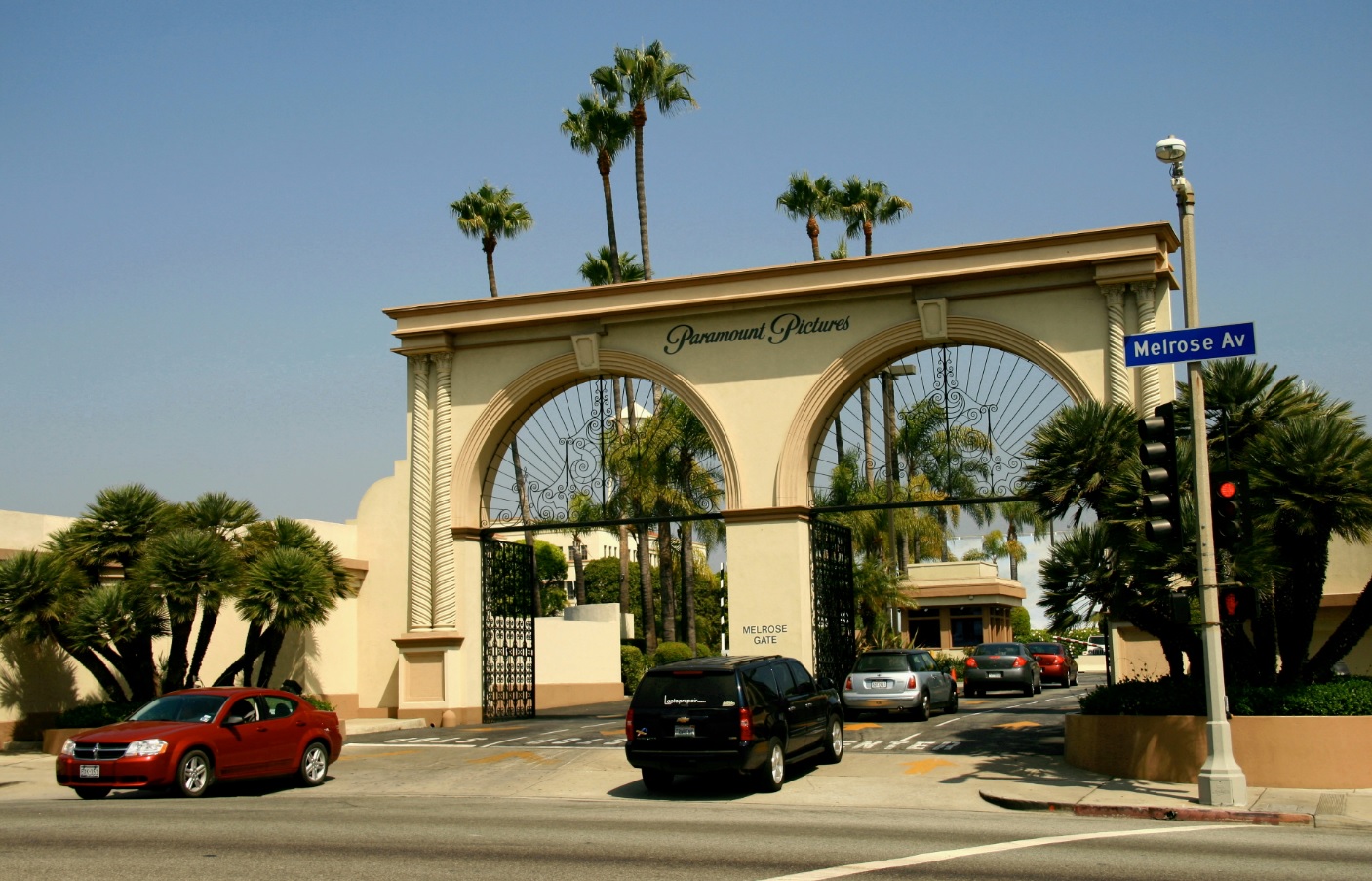
Long before the Dominican Republic became a hotspot for international film productions, a pivotal Hollywood acquisition set the stage for this cinematic transformation. In 1966, industrial magnate Charles Bluhdorn, through his conglomerate Gulf+Western, acquired Paramount Pictures. Bluhdorn, who maintained profound personal and business connections to the Dominican Republic, leveraged his dual passions to create an unexpected bridge between Hollywood and the Caribbean nation.
Bluhdorn’s vision extended far beyond corporate boardrooms. Under his leadership, Paramount strategically utilized the Dominican Republic’s diverse landscapes as production locations. Most notably, the country served as a stand-in for 1950s Havana in Francis Ford Coppola’s masterpiece, ‘The Godfather Part II’ (1974). This decision proved transformative, demonstrating the island’s cinematic potential to the world while simultaneously injecting vital capital, creating employment opportunities, and transferring technical filmmaking expertise to the local economy.
This foundational investment has yielded a remarkable long-term legacy. Today, the Dominican Republic stands as a premier destination for international co-productions and major studio shoots, boasting advanced infrastructure and a thriving community of local creative talent. The country’s film industry, catalyzed by Bluhdorn’s early initiatives, now attracts significant global partnerships and continues to expand its footprint on the world cinematic stage.
The relationship between Paramount and the Dominican Republic transcends mere historical anecdote. It represents a powerful case study in cultural exchange and sustainable economic development driven by the film industry. From hosting iconic scenes of cinematic history to nurturing a homegrown production sector, this unique partnership illustrates how Hollywood’s influence can catalyze industry growth and shape cultural identity across international borders.