Ecuador’s compliance with international indigenous rights standards has come under rigorous examination by the International Labour Organization’s Commission of Experts. Despite having ratified ILO Convention 169—a landmark treaty designed to transform historical state-indigenous relations by moving beyond assimilation policies toward substantive equality—the implementation of these rights remains critically deficient in complex scenarios involving indigenous communities and the state.
A coalition comprising trade unions, agricultural representatives, indigenous groups, and human rights organizations has expressed grave concerns regarding systematic rights violations. These organizations document how Ecuador has progressively restricted the scope of mandatory prior consultation processes while simultaneously authorizing extensive extractive projects in mining, oil, hydroelectric, and agro-industrial sectors without adequate consultation. Additionally, the government has enacted legislation directly impacting indigenous territories without proper democratic engagement with affected communities.
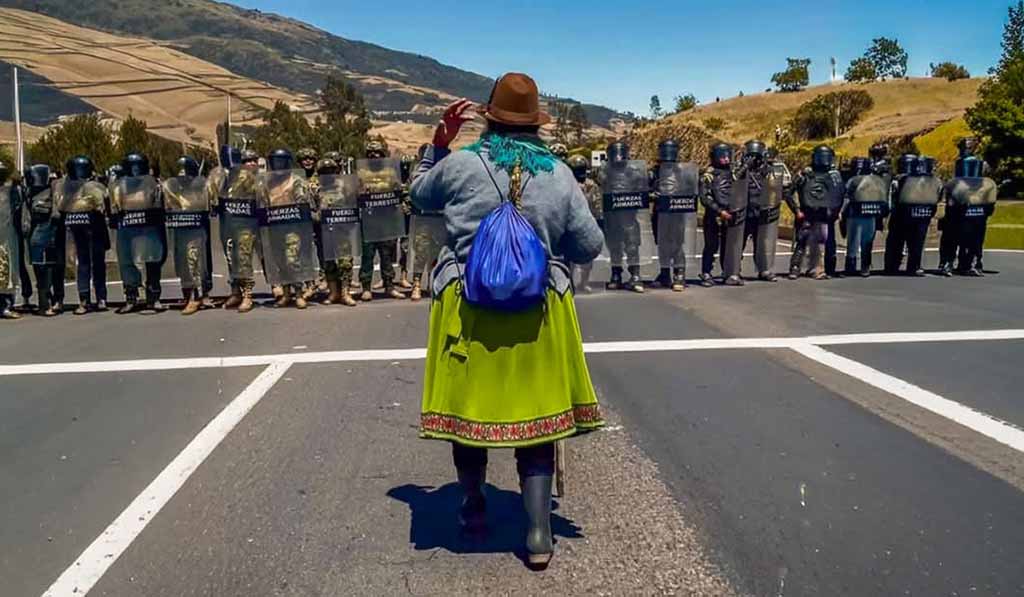
This deterioration of indigenous rights unfolds within a broader context of political turmoil. The nation recently experienced a month-long national strike protesting President Daniel Noboa’s economic and security measures, met with significant police and judicial repression against social leaders. Further complicating the political landscape, Ecuadorian voters rejected President Noboa’s proposal for a constituent assembly to draft a new constitution during a November 16 popular consultation.
The converging organizations now hope the ILO’s review will serve as a catalyst to strengthen rather than diminish collective rights, urging the Ecuadorian government to align its practices with the transformative principles embedded in Convention 169.