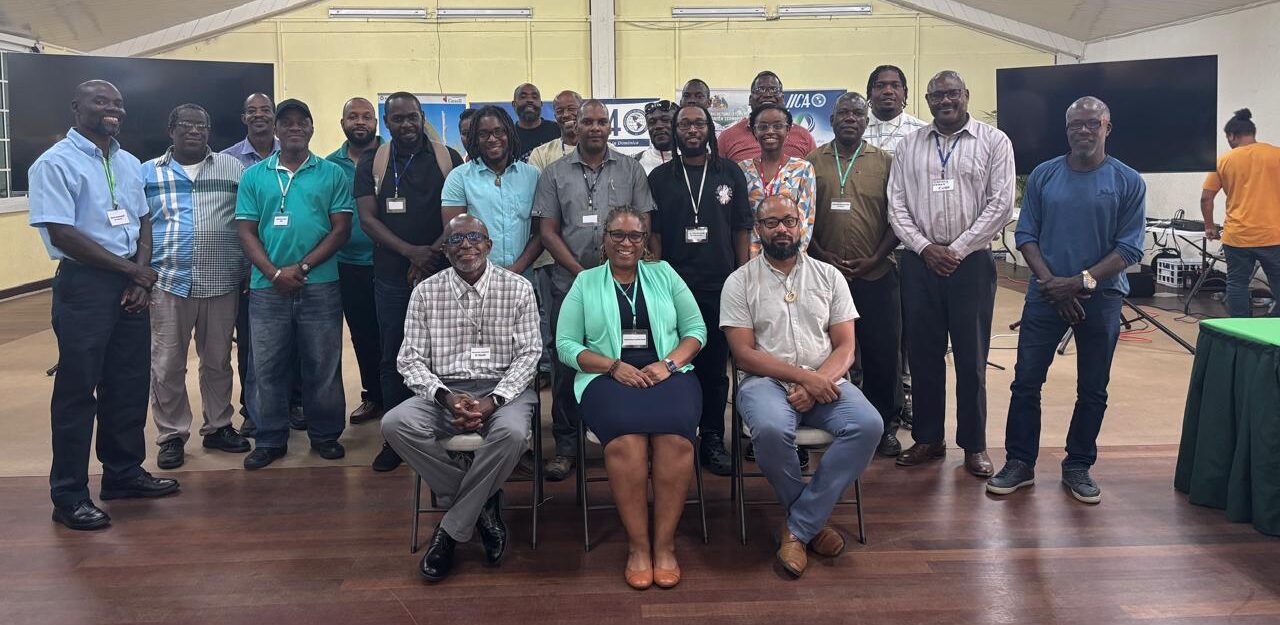
In a significant move toward agricultural self-sufficiency, Dominica has hosted a landmark regional workshop focused on revolutionizing white potato production across the Eastern Caribbean. The event, orchestrated by the Inter-American Institute for Cooperation on Agriculture (IICA) from December 1-3, 2025, brought together over thirty key stakeholders from six OECS member states and territories.
The workshop served as a practical platform for participants—including farmers, government technical officers, and representatives from IICA, OECS Commission, CARDI, and FAO—to engage in technical presentations, field visits, and strategic planning. The location was strategically chosen given Dominica’s unique status as the only OECS member with over forty years of continuous commercial white potato production, providing a viable model for regional emulation.
This initiative addresses a critical economic vulnerability: in 2024 alone, OECS nations imported 8,890 tons of white potatoes valued at approximately US$7.6 million, with imports steadily increasing. IICA Eastern Caribbean representative Gregg Rawlins emphasized the urgency of ‘structured and coordinated production’ to strengthen food security and reduce this substantial import dependency.
Dominica’s Minister of State for Agriculture, Jullan Defoe, reaffirmed the nation’s commitment to regional cooperation, aligning with both the OECS FAST Strategy and CARICOM’s goal of reducing food imports. He detailed government support mechanisms including improved financing access, land preparation assistance, and enhanced technical services through partnerships with CARDI, IICA, FAO, and WUSC-Caribbean.
FAO Value Chain Development Specialist Vermaran Extavour noted the workshop’s alignment with regional policy priorities, including the ’25 by 2025 +5′ initiative, while praising Dominica’s production model as a foundational blueprint for other member states. OECS Director General Dr. Didacus Jules characterized the gathering as a pivotal shift from planning to implementation, highlighting that agricultural transformation requires robust regional cooperation and that white potato development exemplifies the integration of climate-smart agriculture, value chain enhancement, and public-private partnerships.
The workshop is expected to directly inform the creation of a strategic regional framework for white potato research, development, production, and marketing across the OECS. This framework will aim to increase production capacity, enhance postharvest systems, and expand market access, collectively contributing to CARICOM’s broader objective of reducing the region’s food import bill and building economic resilience.