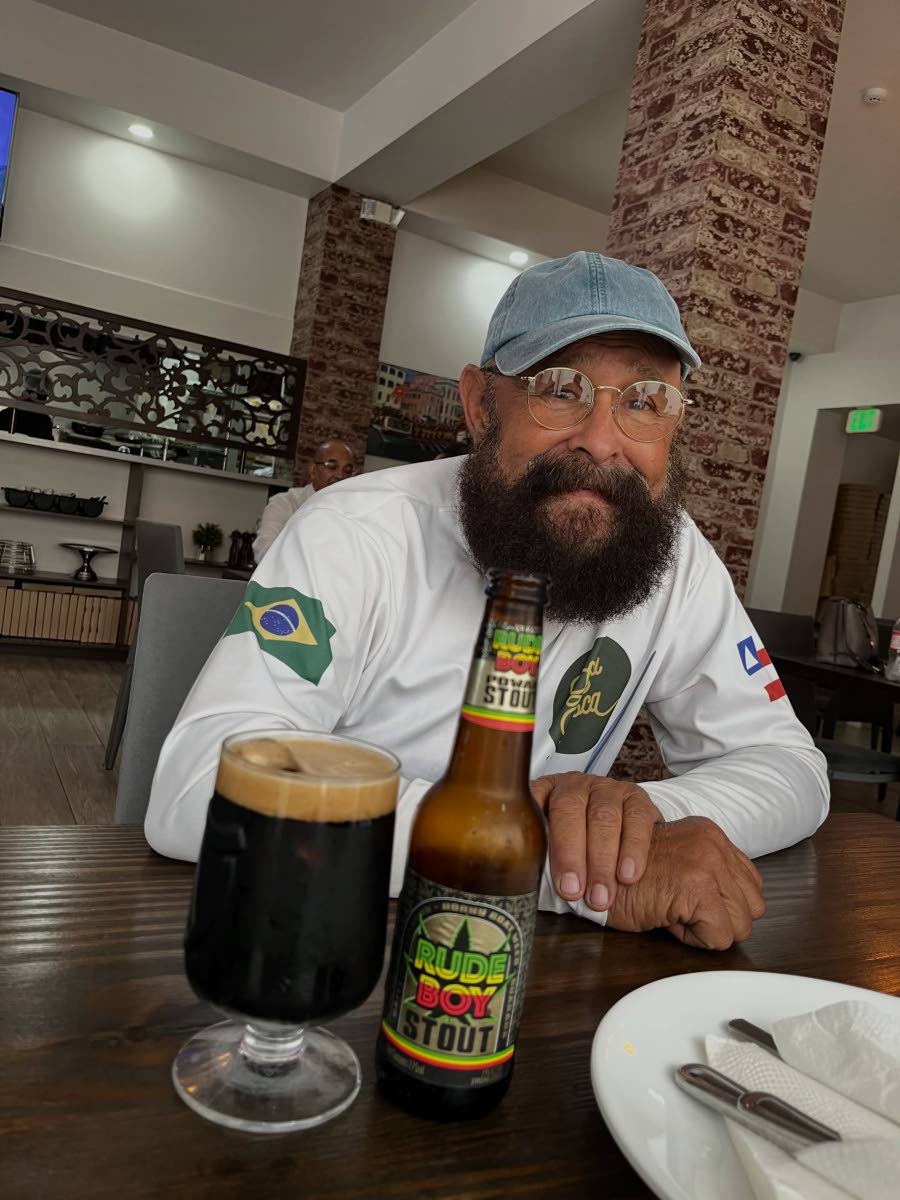
The tranquil waters surrounding Trinidad’s Down D Islands have been shattered by anxiety as the three-day kidnapping ordeal of renowned 70-year-old boating expert Derek ‘Stones’ Tardieu and his wife Clarabelle continues unabated. The maritime community, once considered a safe haven, now grapples with unprecedented security concerns as authorities scramble to address systemic vulnerabilities.
At Tardieu Marine Ltd in Chaguaramas, boatmen expressed profound unease about their exposure to criminal elements. ‘We operate without any meaningful protection,’ one marine worker revealed, drawing disturbing parallels to established extortion schemes in other coastal areas. ‘The pattern from Sea Lots, where boat owners face monthly payments to criminal entities, appears to be spreading to our waters.’
The security vacuum stems from insufficient patrols by Coast Guard and Marine Police units, leaving workers fundamentally vulnerable. Despite having communication radios, the prohibition against firearms aboard vessels creates critical safety gaps. ‘When armed intruders board, our options vanish within seconds,’ another boatman explained. ‘The psychological toll is constant—we’re perpetually calculating risks in what was once our sanctuary.’
Yohan Goviah, President of the Island Property Owners Association, articulated the community’s shaken confidence: ‘This incident forces us to reconsider our security paradigm. Our proximity to Venezuela and the porous maritime border create inherent challenges, while law enforcement agencies face resource constraints that limit 24/7 surveillance capabilities.’
Investigative developments reveal sophisticated criminal tactics. The kidnappers communicated via a Colombian-numbered phone, demanding a $2.5 million ransom in a voice message from Tardieu. Subsequent social media circulation showed disturbing footage of the couple held at gunpoint with a military-grade M-26 grenade—a weapon variant produced in Colombia—pressed against Tardieu’s chest.
Minister of Homeland Security Roger Alexander acknowledged institutional shortcomings: ‘We inherited limited assets for coastal protection, but are developing coordinated responses with defense counterparts.’ His comments referenced ongoing debates about maritime radar systems, particularly one installed in Tobago that failed to detect the kidnappers’ approach.
The Trinidad and Tobago Police Service has classified the investigation as high-priority, mobilizing specialized resources while urging media restraint to protect the victims’ safety. Western Division ACP Henry encouraged community reporting of extortion attempts, pledging immediate response to credible threats.
As the search operation continues across the complex maritime border region, the incident has exposed fundamental security deficiencies in Trinidad’s coastal communities, raising urgent questions about sustainable protection strategies for vulnerable maritime populations.