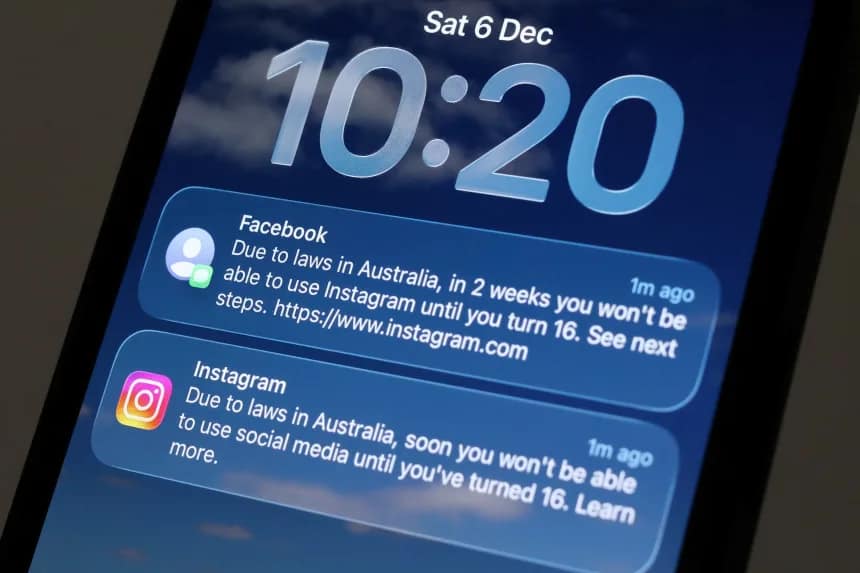
Australia has implemented a groundbreaking legislative measure, becoming the first nation globally to impose a comprehensive ban on social media access for individuals under the age of 16. This pioneering initiative, which took effect Wednesday, represents the most extensive governmental action to date aimed at protecting minors from algorithmic addiction, digital harassment, and online predation.
The regulatory framework mandates that digital platforms demonstrate implementation of ‘reasonable steps’ to identify and deactivate accounts belonging to underage users, with non-compliance carrying substantial penalties of up to AU$49.5 million (approximately US$32 million). Prime Minister Anthony Albanese acknowledged the implementation challenges while defending the policy’s societal importance during an ABC interview, stating: ‘We’ve said very clearly that this won’t be perfect… but it’s the right thing to do for society to express its views about what is appropriate.’
Major platforms have implemented varying compliance strategies:
– Snapchat has instituted automatic three-year suspensions for underage accounts
– YouTube has signed out minor users, preserving data for potential reactivation at age 16
– Meta platforms (Facebook, Instagram, Threads) began account removal processes on December 4
– TikTok and Twitch are implementing phased compliance approaches through January
– X (formerly Twitter) has expressed constitutional objections regarding free speech implications
Notably, several platforms including Discord, WhatsApp, Roblox, and YouTube Kids received exemptions from the initial ban. The Roblox exclusion prompted particular scrutiny given previous safety concerns, though Commissioner Julie Inman-Grant confirmed the platform agreed to implement enhanced age verification and communication restrictions.
Age verification mechanisms have emerged as a critical component, with the government endorsing privacy-protective technologies following successful pilot programs. Some adult users have expressed concerns about expanded identity verification requirements.
The eSafety Commission acknowledges the evolving nature of digital platforms and maintains an adaptable banned services list based on emerging popularity and functionality. Early indications suggest some users are migrating to alternative platforms like Yope and Lemon8, both of which have received compliance notices from regulators.
Stanford University researchers will conduct comprehensive impact assessments, monitoring potential benefits including improved sleep patterns, increased physical activity, and reduced antidepressant usage among youth. The research methodology and findings will be made publicly available to inform global policy decisions regarding child online safety.