The Government of Dominica, through its Emergency Agricultural Livelihoods and Climate Resilience Project (EALCRP), will officially transfer approximately EC$1 million worth of agricultural equipment to local producers on December 10, 2025. The ceremony at the DAPEX Warehouse Facility marks a significant milestone in the nation’s ongoing efforts to climate-proof its agricultural sector.
As the EALCRP enters its final implementation phase, the project continues to support the Ministry of Agriculture, Fisheries, Blue and Green Economy in enhancing productivity nationwide. The event will showcase two critical initiatives funded through the Contingency Emergency Response Component: irrigation system distribution and beekeeping equipment provision.
Ninety-five farmers and agribusiness operators will receive comprehensive irrigation kits containing water tanks, pumps, and durable polyethylene piping. These systems are designed to promote climate-resilient farming practices and optimize water management strategies.
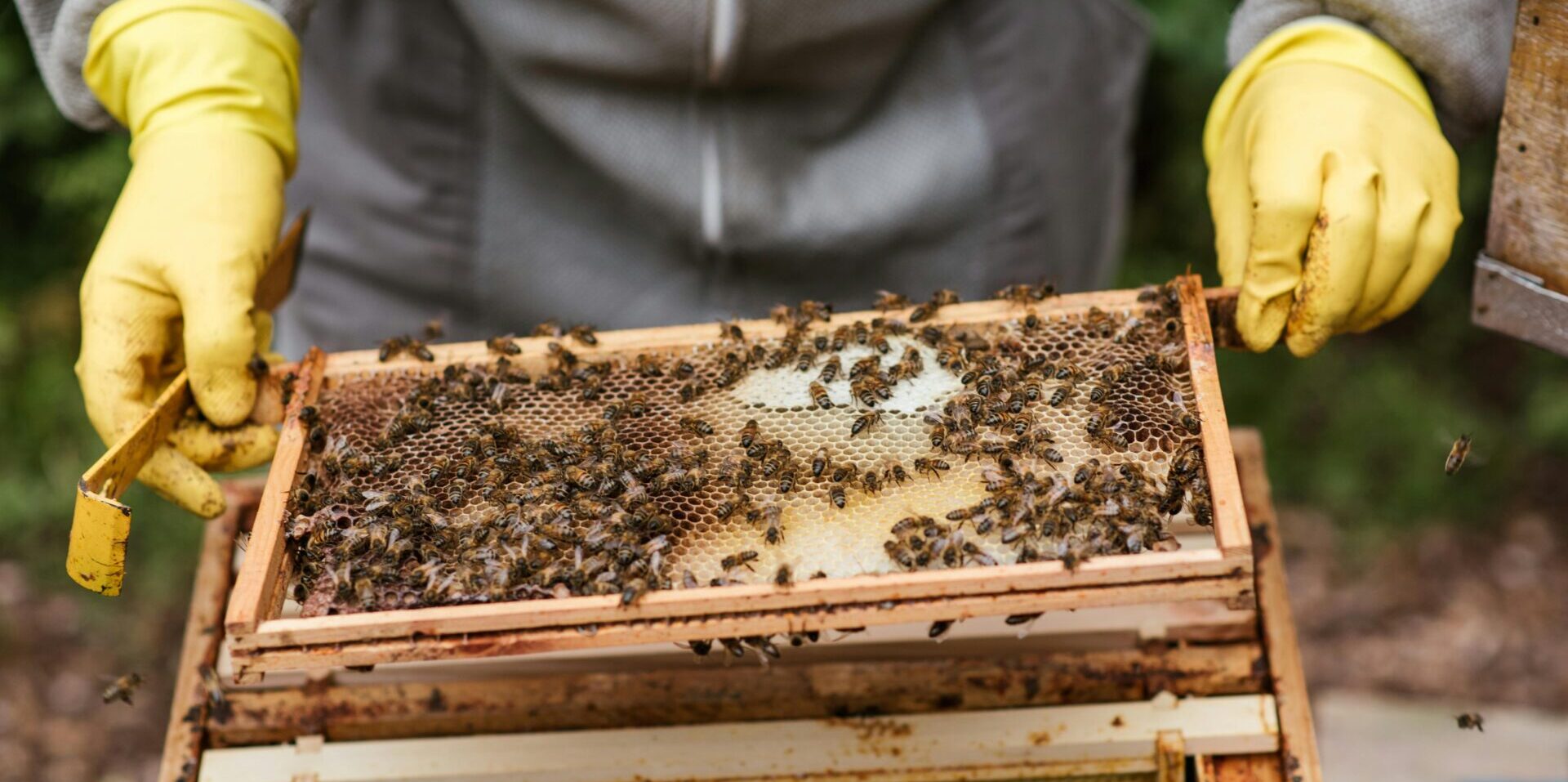
Concurrently, ten apiculture beneficiaries will obtain specialized beekeeping tools including honey extractors, hive components, wax melting vats, and filtration devices. This initiative aims to strengthen the honey production industry while increasing its climate adaptability.
Over the past five years, the EALCRP has facilitated over EC$80 million in investments across Dominica’s agricultural and fisheries sectors. This substantial funding has supported diverse initiatives ranging from crop and livestock inputs to fishing gear provision and vessel construction. Significant infrastructure projects including the National Abattoir, Citrus Certification Facility, and multiple fish landing sites have been modernized through this program, benefiting thousands of stakeholders across the agricultural value chain.
The December ceremony symbolizes the government’s sustained commitment to developing a climate-resilient agricultural economy. This approach emphasizes empowering local farmers, enhancing production systems, and safeguarding livelihoods against increasingly frequent climate-related challenges.