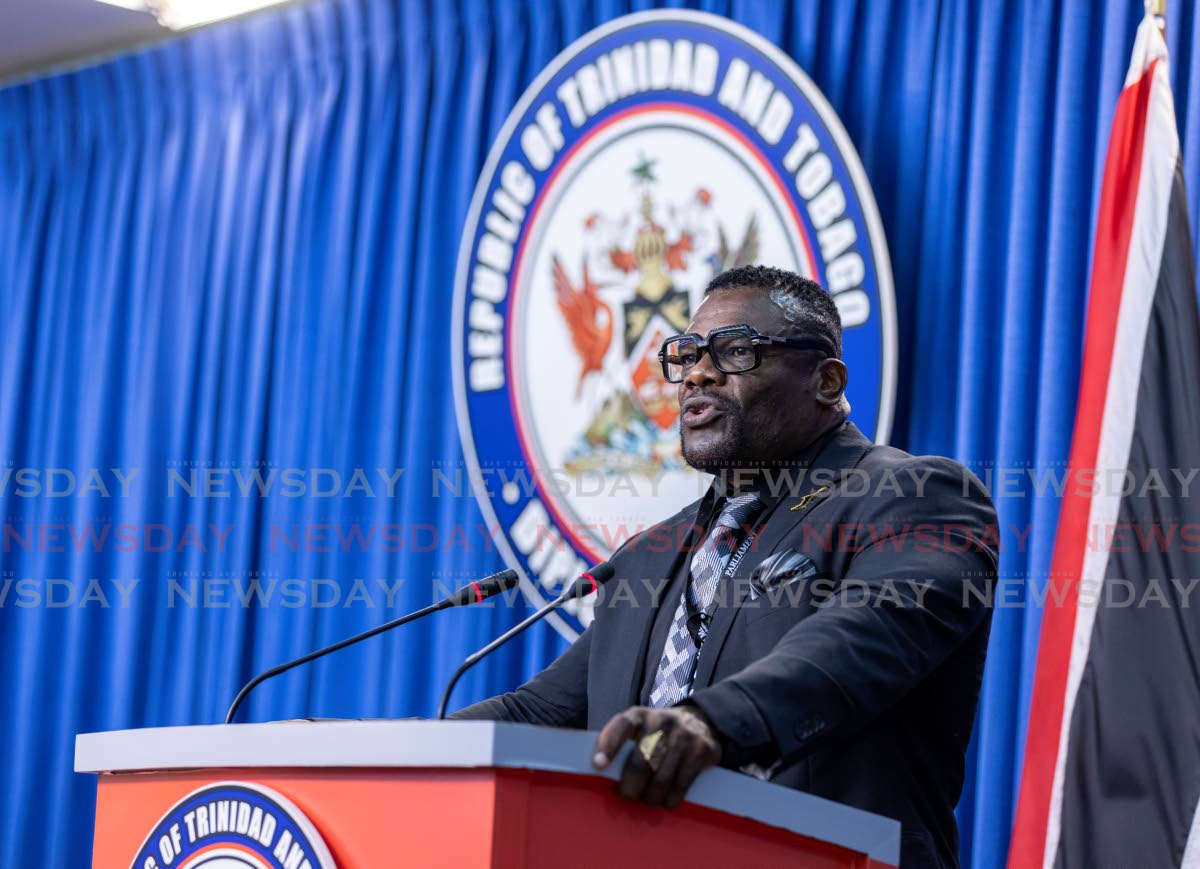
A contentious meeting between Special Reserve Police (SRP) officers and Trinidad and Tobago Police Service (TTPS) management has exposed significant challenges in implementing Homeland Security Minister Roger Alexander’s directive to integrate 800 reserve officers into the regular force.
The December 3 gathering descended into chaos when senior TTPS officials cut microphone access following controversial comments from an SRP representative. The tension escalated particularly around the requirement for incoming officers to possess a CSEC pass in English Language, revealing deep divisions between the groups.
Assistant Commissioner of Police Curt Simon attempted to restore order, emphatically stating that “The TTPS is not a market or a parlour,” emphasizing that selection for regular service constitutes a privilege rather than an entitlement. This declaration prompted several SRP members to exit the meeting in protest.
This confrontation represents the latest development in a long-standing struggle for improved status among reserve officers. Only in July, following a judicial ruling by Justice Frank Seepersad, were SRPs and municipal police granted voting rights in police association elections.
The current integration initiative, designed to address a staffing shortfall of 1,154 officers, marks the most substantial proposed change in SRP status since 2019. That year, authorities targeted integrating 500 reserve officers into full police roles.
Deputy Commissioner Junior Benjamin subsequently assured media outlets of the service’s commitment to fulfilling the cabinet directive. However, this assurance comes with the recognition that elevating potentially unqualified or unprepared officers to full TTPS duty could significantly impact both police operations and public safety.
The resistance to basic academic requirements suggests that SRP recruitment standards may have been considerably more flexible than those applied to regular officers. While Minister Alexander may personally know qualified SRPs who could transition effectively, identifying 800 such candidates presents a considerable challenge.
Police leadership appropriately maintains that any integration process must include rigorous, transparent assessment protocols alongside provisions for remedial training where necessary. Experts suggest that reserve officers indicating interest in regular service should receive preparation from their initial deployment, ensuring they meet the functional standards required of all officers performing full police duties.