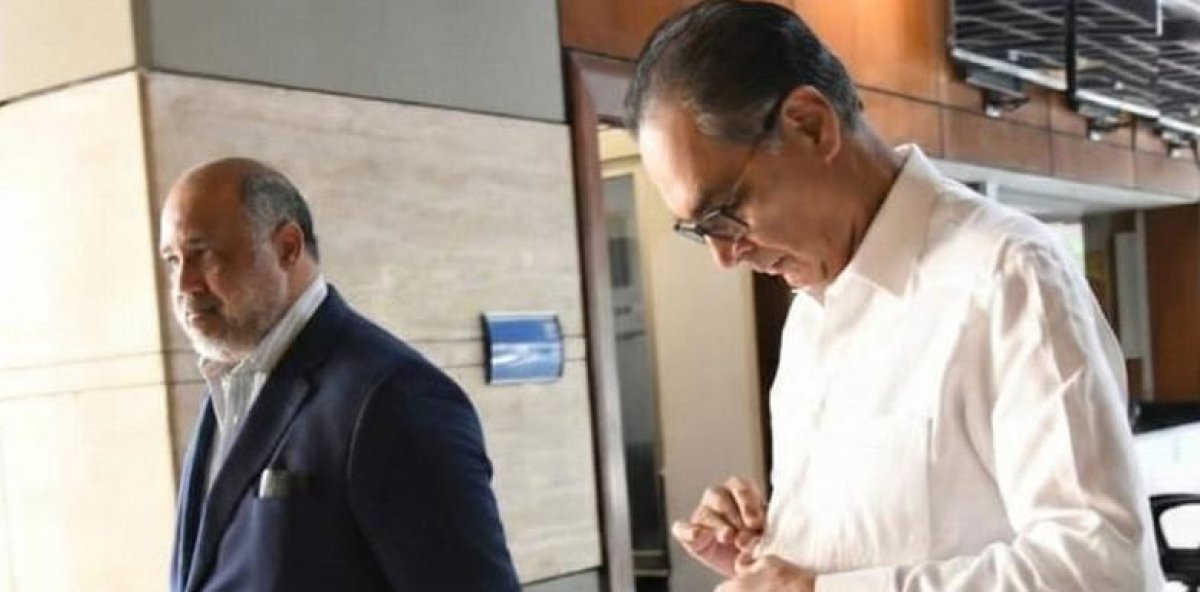
In a significant development within the Dominican Republic’s ongoing corruption investigation, former National Health Insurance (Senasa) director Santiago Hazín was taken into custody on Saturday evening. His legal counsel, Attorney Miguel Valerio, confirmed the arrest and indicated that judicial authorities will determine coercive measures within the next 48-hour period.
Valerio stated that the defense team maintains a reserved position pending formal presentation of the prosecution’s coercion request. “We await the coercive measure filing within the established 48-hour window, at which juncture we shall articulate our definitive stance,” the attorney declared.
The legal representative emphasized his client’s cooperative posture throughout the investigative process, noting that Hazín underwent extensive questioning for approximately five hours prior to his detention. Valerio reiterated that the former official has consistently demonstrated willingness to collaborate with judicial authorities, asserting, “My client has perpetually remained at the disposal of the justice system.”
This arrest occurs within the broader context of the Senasa scandal that has captivated national attention. Multiple sectors have raised alarms regarding administrative deficiencies, delayed payments, and controversial operational determinations that precipitated widespread concern across the healthcare ecosystem. Political representatives, medical associations, and civil society organizations have collectively highlighted deteriorating management practices, prompting opposition forces to demand comprehensive audits and allege potential irregularities.
Despite governmental assurances regarding institutional stability, grievances concerning service interruptions and payment delays intensified public discourse, ultimately compelling official action. The unfolding situation triggered initiated audits, managerial restructuring, and a formal prosecutorial investigation into contractual arrangements between Senasa and various state-affiliated entities.
While implicated corporations have defended their operational legality, and former officials have sought to justify their decisions, allegations of fund misappropriation and supervisory body interventions have transformed this case into one of the most closely monitored proceedings in the public sector. The Attorney General’s Office has indicated additional investigative actions are anticipated as the probe continues to evolve.