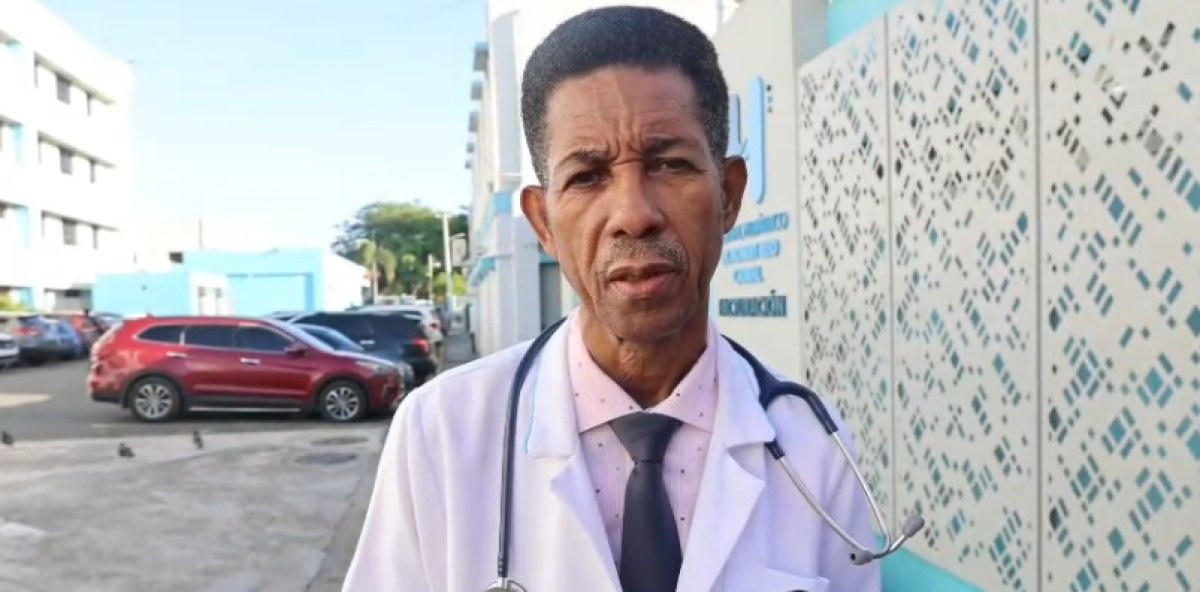
The Dominican Republic is currently experiencing a predictable seasonal increase in respiratory viral infections, with respiratory syncytial virus (RSV) and influenza strains A and B identified as the predominant circulating pathogens. This epidemiological update was provided by Dr. Clemente Terrero, a prominent infectologist and former director of the Robert Reid Cabral Children’s Hospital, during a public health briefing on Friday.
Dr. Terrero clarified the typical demographic patterns of these viruses, noting that RSV predominantly impacts the pediatric population, while influenza viruses pose a significant threat to adults and individuals with underlying chronic health conditions. He characterized this surge as a ‘normal situation’ for the current time of year, attributing it to seasonal viruses that traditionally peak during the end-of-year period.
The medical expert issued a strong recommendation for citizens to seek immediate medical consultation at the nearest health center upon experiencing symptoms indicative of viral infection. Key warning signs include persistent fever, cough, general malaise, nausea, diarrhea, and nasal congestion or discharge. Dr. Terrero specifically emphasized the urgency of medical attention for patients showing signs of dehydration, refusal to eat, frequent vomiting, or severe discomfort.
Regarding the expected duration of this viral season, health authorities project a gradual decline in infection rates toward the end of January or throughout February. In the meantime, Dr. Terrero reiterated crucial preventive measures to curb transmission, including vaccination against influenza, maintaining physical distance from individuals showing respiratory symptoms, and the consistent use of masks in crowded settings or when exposure to infection is likely.