Within the corridors of government ministries, custodial staff perform essential labor that remains largely invisible, yet their experiences reveal profound systemic inequalities embedded within institutional structures. These workers, responsible for cleaning and maintaining facilities, encounter challenges that extend far beyond physical tasks—they face deeply entrenched hierarchical barriers that mirror social caste systems.
Many custodial employees report operating within workplace dynamics comparable to historical caste structures, where predetermined social positions dictate treatment and opportunity. Despite legal protections, these modern hierarchies perpetuate marginalization based on occupational roles rather than capability or merit. Unlike unionized educators or administrative staff who benefit from professional advocacy and grievance channels, custodial teams frequently lack institutional representation entirely.
This representation vacuum creates environments where unfair treatment flourishes unchecked. Multiple accounts from government and school custodians describe being actively discouraged from communicating with supervisors, while supervisors themselves often feel powerless to advocate for their teams. The absence of formal support mechanisms leaves workers vulnerable to arbitrary disciplinary actions, malicious write-ups, and even dismissal for speaking against injustices.
Disturbing testimonials include principals explicitly threatening custodians with transfer for dissent or reminding them that political connections secured their employment—implying that gratitude should outweigh demands for respectful treatment. These power imbalances foster cultures of intimidation where false theft accusations and targeted disciplinary measures become common occurrences.
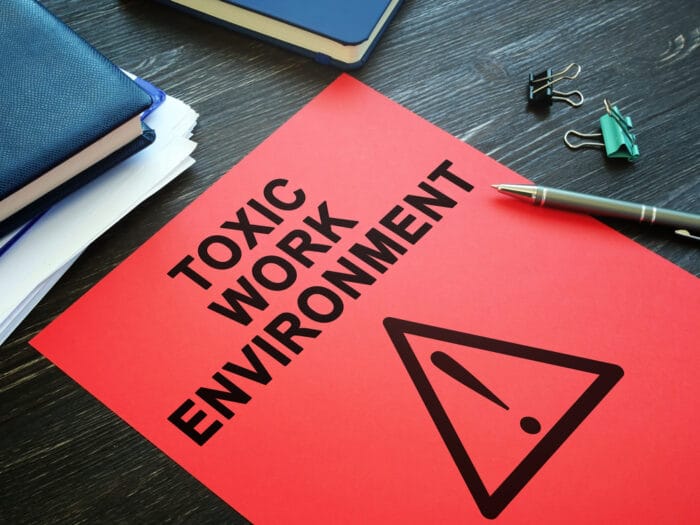
The core issue transcends the cleaning work itself, residing instead in institutional structures that determine whose voices matter and whose are silenced. Rigid hierarchies, combined with cultural devaluation of maintenance labor, create toxic work environments that demoralize dedicated professionals. This modern occupational caste system prioritizes perceived status over integrity or work ethic.
Addressing these inequities requires fundamental systemic reform: establishing representation channels for custodial staff, implementing fair grievance procedures, and recognizing that workplace dignity should not be contingent on hierarchical position. Every worker deserves respect, advocacy, and advancement opportunities regardless of title or educational background. Until institutions undergo this critical reexamination, custodial personnel will continue bearing the burden of entirely preventable inequities.