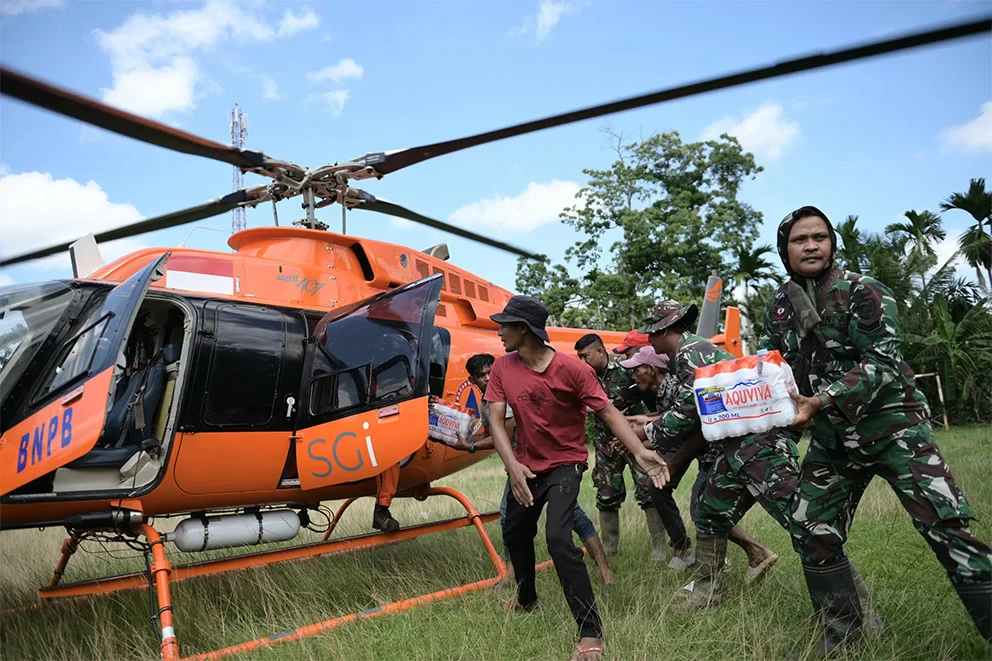
A catastrophic flooding disaster across Southeast Asia has claimed over 1,500 lives, with rescue teams racing against time to reach survivors isolated by devastating landslides and floodwaters. The death toll includes 836 confirmed fatalities in Indonesia, 479 in Sri Lanka, 185 in Thailand, and three in Malaysia, while 859 individuals remain missing across the region.
Environmental organizations are pointing to decades of systematic deforestation as a critical factor exacerbating the tragedy. The Indonesian Forum for the Environment (Walhi) revealed that uncontrolled mining operations, palm oil plantations, and illegal logging have stripped Sumatra of its natural defenses, removing the forests that once absorbed rainfall and stabilized soil. Satellite data from Global Forest Watch shows the affected Indonesian provinces of Aceh, North Sumatra, and West Sumatra have lost approximately 19,600 square kilometers of forest since 2000—an area larger than New Jersey.
In response to growing public outrage, Indonesian President Prabowo Subianto has pledged policy reforms following his visit to the hardest-hit areas. “We must genuinely prevent deforestation and forest destruction. Protecting our forests is crucial,” the president stated. Environment Minister Hanif Faisol Nurofiq has announced investigations into eight companies suspected of contributing to the disaster through environmental degradation.
The crisis continues to unfold as meteorological authorities warn of additional heavy rainfall and thunderstorms expected from Friday through Saturday. Teuku Faisal Fathani, head of Indonesia’s Meteorology, Climatology and Geophysics Agency, indicated saturated soils and swollen rivers remain primed for further flooding in vulnerable districts.
Tens of thousands of survivors face severe shortages of food and clean water in isolated communities where floodwaters have washed away roads, bridges, and telecommunications infrastructure. In Batang Toru, the most severely affected region of North Sumatra, hundreds of hectares had been cleared for gold mining and energy projects, leaving slopes exposed and riverbeds clogged with sediment.
For elderly survivors like 67-year-old Safnida, who now resides in an elementary school converted to an evacuation shelter in Padang city, the future remains uncertain. “We cannot expect life to always be good, right? I’m grateful to be alive while my house collapsed in the floods,” she reflected. “At my age, I don’t know if I can survive it again.”