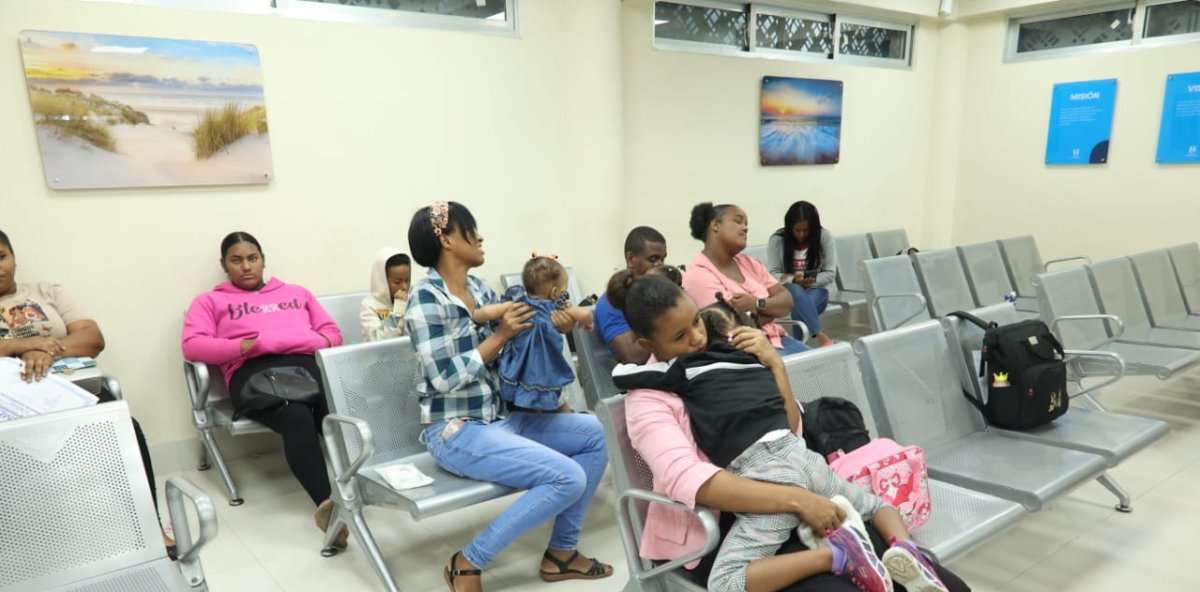
The Dominican Republic’s Ministry of Public Health has issued a significant epidemiological alert following a dramatic rise in respiratory syncytial virus (RSV) cases during the 47th Epidemiological Week of 2025. Health authorities reported the viral activity reached its annual peak, substantially surpassing levels documented throughout 2024.
The surge has precipitated a marked increase in pediatric medical consultations and hospital admissions, primarily for severe respiratory complications including bronchiolitis and pneumonia. The ministry characterized the 2025 epidemic pattern as notably more intense, earlier in onset, and prolonged compared to previous seasons.
Compounding the public health challenge, the surveillance system confirms the continued co-circulation of multiple respiratory pathogens at low to moderate transmission levels. These include influenza strains A(H3N2), A(H1N1)pdm09, and B/Victoria, alongside SARS-CoV-2, adenovirus, human metapneumovirus, and parainfluenza viruses.
Health officials warned that this concurrence of viruses elevates the risk of co-infections, can worsen chronic conditions such as asthma and COPD, and increases the probability of severe complications leading to hospitalization, particularly among vulnerable populations.
In contrast, the ministry reported stable conditions for other monitored diseases. No new cases of cholera, dengue, or COVID-19 were recorded, with all three remaining under control and under mandatory notification protocols. Dengue cases show a substantial decline with a cumulative 273 confirmed infections to date, a drastic reduction from the 1,315 cases confirmed during the analogous period in 2024.
Malaria transmission persists, with three new cases raising the annual total to 836. Active foci are concentrated in the provinces of Azua, San Juan, Elías Piña, Santo Domingo, and Independencia, with outbreaks linked to agricultural corridors and environmental factors supporting mosquito vector proliferation.
One additional case of leptospirosis was confirmed, bringing the national total to 156. The zoonotic disease maintains a transmission pattern associated with seasonal rains and flooding, which increase human exposure to contaminated water and environments conducive to rodent proliferation.
The epidemiological report also detailed mortality figures, noting four maternal deaths during the week, keeping pace with 2024 data. The cumulative maternal death toll for the year stands at 156, a 4% decrease from the previous year’s 163. The fatalities comprised 66 Haitian and 90 Dominican women.
Furthermore, 29 infant deaths were reported, increasing the country’s annual total to 1,661. The highest incidence rates are in Santo Domingo, Santiago, and the National District, areas significantly affected by high population density.