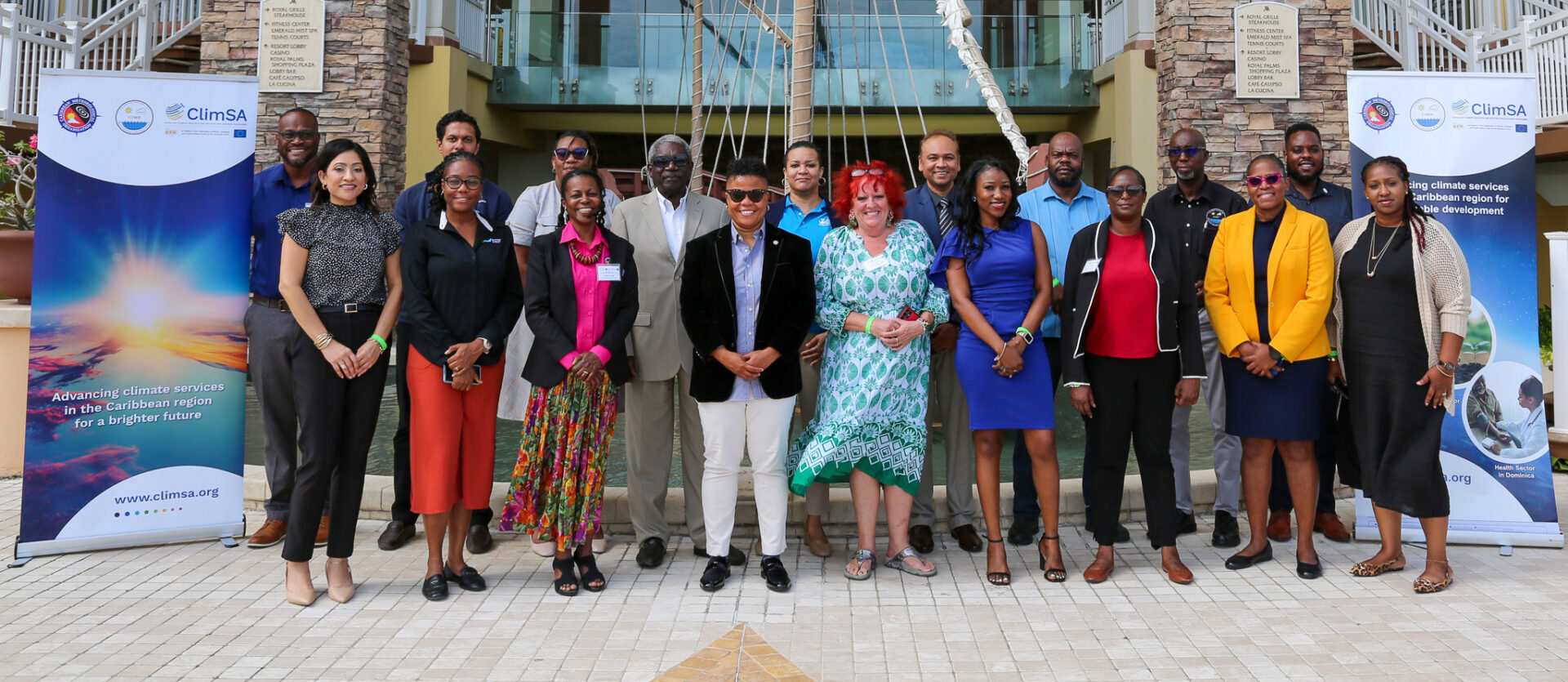
BASSETERRE, St. Kitts and Nevis – The Caribbean region marked a significant advancement in climate resilience planning during the recent 2025-2026 Dry Season Caribbean Climate Outlook Forum (CariCOF) and the 13th Meeting of the Consortium of Regional Sectoral Early Warning Information Systems Across Climate Timescales (EWISACTs). Held from November 23-26, the gathering brought together climate experts and regional stakeholders to strengthen collaborative efforts against climate vulnerabilities.
Dr. Roxanne Graham-Victor, Regional Coordinator for the Global Water Partnership-Caribbean (GWP-C), participated as an observer, highlighting the organization’s commitment to integrated water management within climate adaptation strategies. Although not an official EWISACTs member, GWP-C’s involvement signifies growing regional coordination between water security and climate resilience initiatives.
The forum celebrated a decade of regional cooperation through the EWISACTs Consortium, demonstrating the Caribbean’s sustained commitment to climate-informed governance. Key agenda items included evaluating progress on the Regional Plan of Action (June-November 2025), reviewing achievements from Performance Period 2 (2023-2025), and developing strategies for Performance Period 3 (2026-2028). Participants also explored how the Intra-ACP ClimSA Programme, funded by the European Union, could enhance 2025-2026 activities across beneficiary regions including Barbados, Eastern Caribbean States, OECS, CARICOM, and CARIFORUM.
Technical sessions revealed substantial progress in several critical areas: climate data management, quality assurance of climate information, system strengthening for climate services, stakeholder engagement, and capacity building. A particularly significant development was the enhancement of the Caribbean Climate Impacts Database (CCID), which now provides comprehensive documentation of climate events including floods, droughts, heatwaves, and storms. This evidence-based platform has become indispensable for regional risk assessments and strategic planning.
Dr. Graham-Victor characterized the forum as both technically insightful and strategically valuable, noting that it provided exceptional opportunities for networking and identifying potential partnerships with stakeholders across climate, disaster risk management, and development sectors. Her observations underscore the Caribbean’s progressive approach to building climate resilience through multidisciplinary collaboration and knowledge sharing.