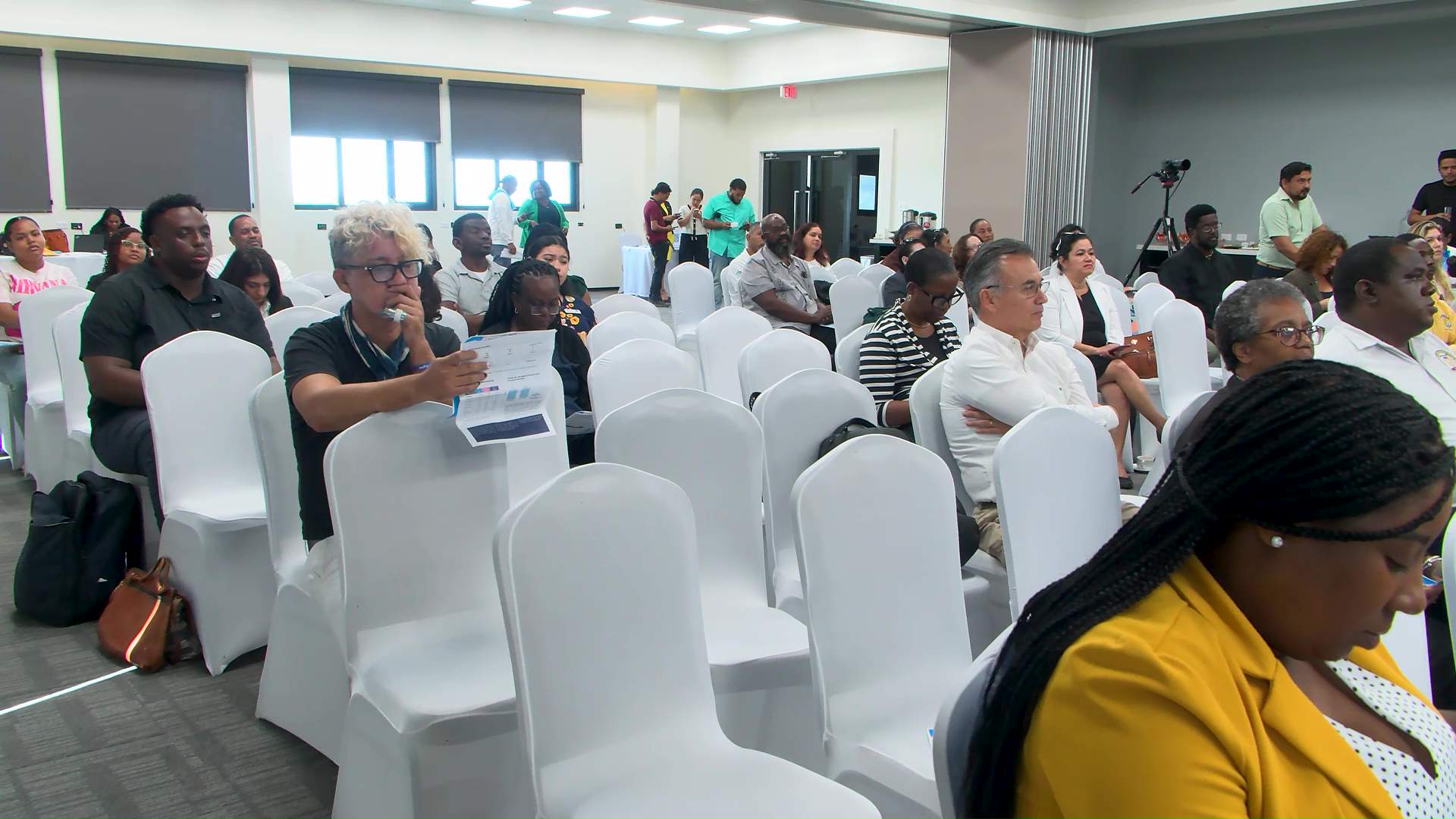
A full year after the Belize Disabilities Act became law, disability advocates are raising urgent concerns about the complete absence of implementation and enforcement mechanisms. Francisco Cuellar, President of the Belize Association for Persons with Diverse Abilities (BAPDA), has characterized the situation as a national embarrassment that leaves vulnerable populations without critical protections.
The legislation, designed to guarantee fundamental rights and access to services for people with disabilities, remains effectively dormant according to disability rights leaders. Cuellar’s assessment comes alongside UNICEF’s recent situational analysis that reveals significant systemic gaps in Belize’s support infrastructure for children with disabilities.
Educational access emerges as a particularly alarming issue, with many children with disabilities completely excluded from formal schooling systems. This violates both the new domestic legislation and international conventions including the Convention on the Rights of the Child, which guarantees education and healthcare access for all children.
Cuellar emphasized that the challenges extend beyond childhood, with adults facing even greater barriers to inclusion and support. The BAPDA president called for immediate collaborative action between civil society organizations, the broader community, and government agencies to activate the dormant legislation.
The implementation failure represents a significant setback for disability rights in Belize, where advocates had celebrated the passage of the comprehensive legislation as a major step forward. Current realities suggest that without urgent intervention, the legal framework risks becoming merely symbolic rather than transformative for Belize’s disability community.