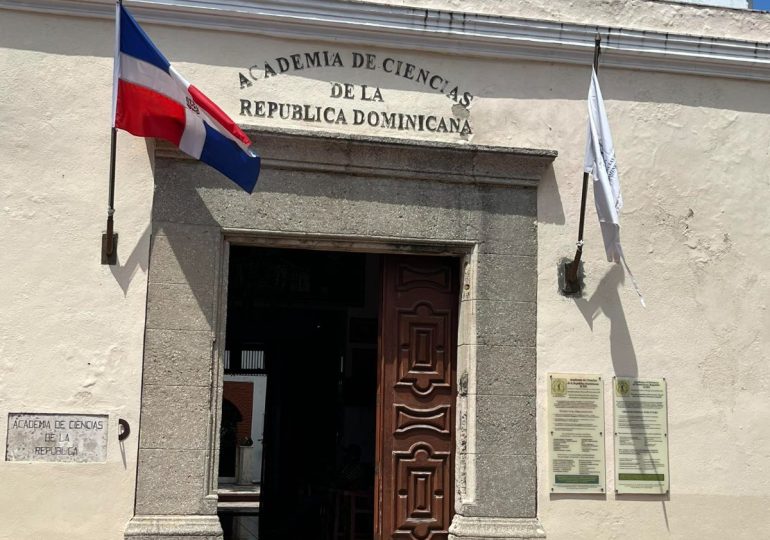
Scientific authorities in the Dominican Republic have intensified their opposition to the National Zoo’s controversial plan to import non-native species from Puerto Rico, citing profound ecological risks. The Natural Sciences and Environment Commission of the Dominican Academy of Sciences, alongside the Environmental Commission of the Autonomous University of Santo Domingo (UASD), has reinforced its November alert regarding Zoodom’s proposed acquisition.
The academic institutions maintain that the species targeted for importation represent recognized invasive pests in Puerto Rico, where they have already breached containment, proliferated exponentially, and inflicted substantial damage on indigenous ecosystems. They counter the zoo’s emphasis on the non-venomous nature of the snakes by highlighting that the primary threat stems from their invasive characteristics and potential ecological disruption, not their venom.
Puerto Rican authorities currently allocate considerable resources to capturing and removing these animals, many of which are confiscated from private owners or surrendered due to uncontrolled breeding. The commissions warn that accidental release in the Dominican Republic could replicate the environmental devastation observed in Puerto Rico, jeopardizing native species, agricultural interests, and public health.
The groups further challenge Zoodom’s characterization of the transaction as a donation, alleging instead that the zoo’s director actively solicited the animals. They have urgently appealed to the Ministry of Environment and Natural Resources and the Animal Health Department of the Ministry of Agriculture to employ the precautionary principle mandated by environmental statutes before authorizing any import permits.
As a domestic cautionary tale, experts point to Isla Catalina, where raccoons introduced during the Trujillo dictatorship have triggered severe ecological imbalance. These invasive mammals have devastated hawksbill turtle nests, disrupted tourism activities, and compromised the island’s fragile biodiversity. The ongoing struggle to manage Catalina’s raccoon population serves as a stark reminder of the long-term consequences of introducing non-native species without adequate safeguards.