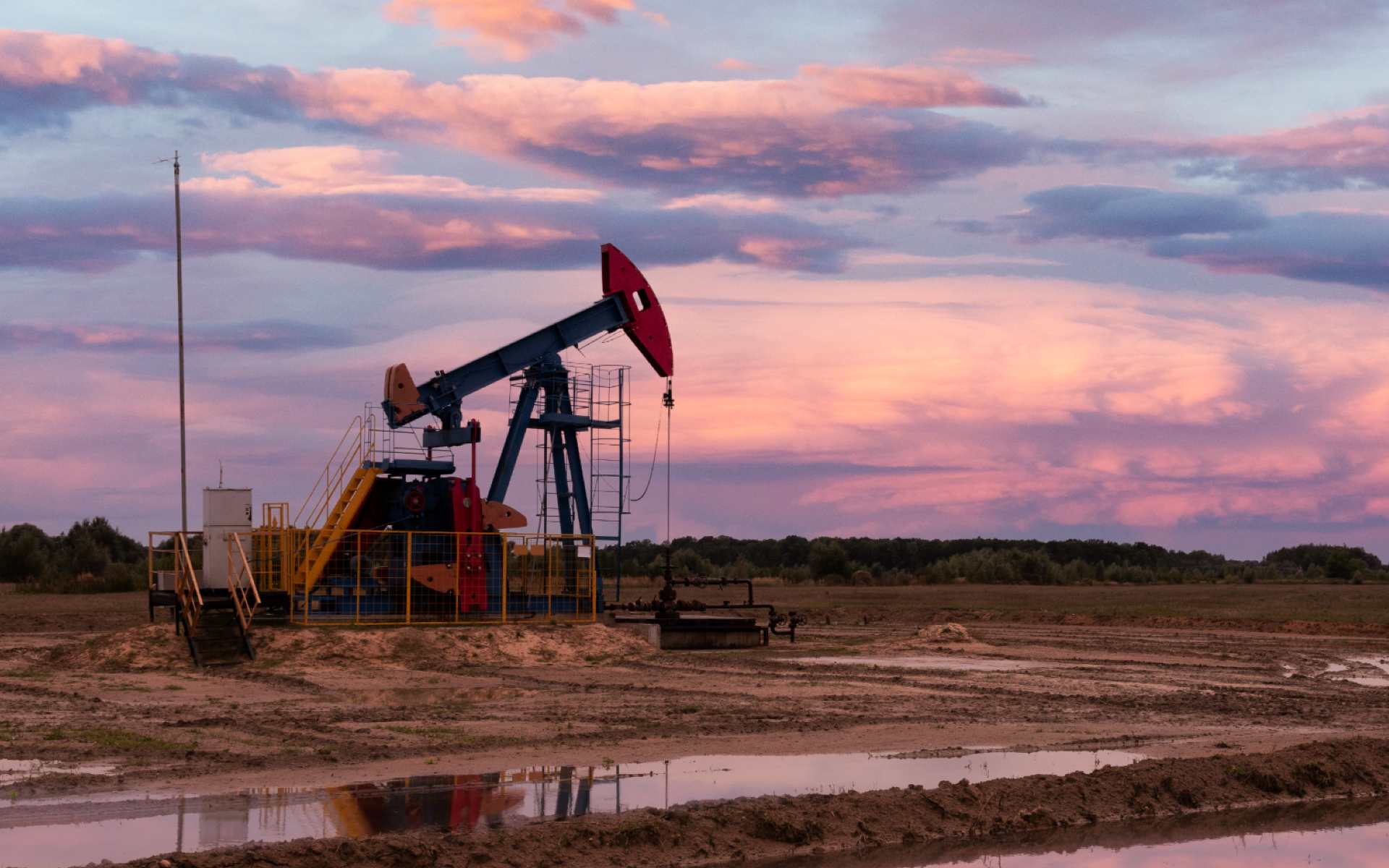
Guyana’s economic landscape has undergone a seismic transformation since its inaugural oil production in 2019, achieving a world-leading 43.6% real GDP expansion in 2024. While petroleum exports now dominate, constituting 88% of total domestic exports, traditional sectors including gold, rice, and bauxite continue to contribute significantly to non-oil export revenues.
This unprecedented growth positions the South American nation among the globe’s most rapidly expanding economies. However, this petroleum-driven prosperity introduces complex challenges, notably the looming threat of ‘Dutch disease’—an economic phenomenon where resource wealth undermines competitiveness in non-extractive sectors. As a Small Island Developing State (SIDS), Guyana additionally confronts inherent vulnerabilities including commodity price volatility, constrained market scale, and rent-seeking behaviors.
A pivotal 2023 World Trade Organization and World Bank collaborative study highlights services as accounting for half of global employment and two-thirds of worldwide GDP, surpassing combined agricultural and industrial outputs. In Guyana, both merchandise and services trade maintained positive correlation with GDP from 2005 to 2022. Notably, engineering and logistics services, predominantly oil-industry adjacent, expanded nearly fourteen-fold between 2005 and 2021.
Paradoxically, Guyana sustains a substantial services trade deficit, exceeding US$4.4 billion in 2023, reflecting heavy dependence on imported high-value services for petroleum operations. Foreign direct investment patterns exacerbate this imbalance, with capital-intensive oil projects potentially crowding out domestic investment and creating limited local value addition.
Economic diversification through services sector development emerges as the strategic imperative. High-productivity domains such as information and communication technology (ICT), professional services, and scientific technical services remain underdeveloped despite governmental initiatives including tuition-free education from nursery through university levels.
Micro, Small and Medium Enterprises (MSMEs) represent crucial agents for transformative growth, capable of driving innovation in tourism, digital services, and green finance. Policy recommendations include establishing specialized export development funds, providing low-interest financing, and creating incentives for high-value-added foreign direct investment that strengthens domestic enterprise capabilities.
Institutional integrity enhancements through digital transparency portals and anti-corruption reforms are essential for equitable resource wealth distribution. Regionally, Guyana’s participation in multiple trade agreements—including accords with the European Union, Canada, Brazil, China, and Venezuela—provides frameworks for services trade expansion.
The impending implementation of CARICOM’s free movement protocol offers professional mobility opportunities, though Guyana has requested a five-to-seven year adaptation period before full implementation. Tourism innovation presents particular promise, with proposals including transforming the decommissioned Demerara Harbour Bridge into a heritage attraction powered by renewable energy, simultaneously preserving history and advancing eco-tourism.
Guyana stands at a critical economic juncture, where strategic investments in human capital, institutional governance, and entrepreneurial development could transform temporary resource wealth into sustainable, diversified prosperity for future generations.