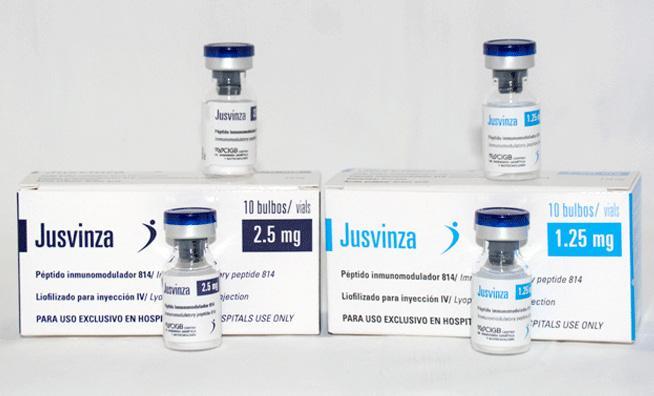
A groundbreaking clinical trial investigating Cuba’s domestically developed Jusvinza medication for treating persistent polyarthritis in chikungunya survivors commenced this week at the Comandante Faustino Pérez Provincial Clinical Surgical Hospital. The study represents a significant advancement in addressing one of the most debilitating long-term effects of the viral disease.
Under the leadership of Dr. Yudisay Reyes Pelier, an oncology specialist and member of the Center for Genetic Engineering and Biotechnology (CIGB) Clinical Research Group, the research will assess Jusvinza’s efficacy in alleviating chronic joint inflammation and pain that continues to afflict patients months after recovering from the acute infection phase.
The randomized trial involves 120 participants aged 19-80, all with confirmed chikungunya diagnoses and joint symptoms persisting beyond three months. Researchers have divided subjects into two equal cohorts: an experimental group receiving Jusvinza alongside conventional therapy, and a control group continuing with standard treatment alone.
Treatment protocol entails nine subcutaneous injections administered over six weeks, with flexibility for outpatient or inpatient delivery based on individual clinical circumstances and geographical location.
Jusvinza (scientific designation CIGB-258) is a peptide-based biopharmaceutical product with established emergency authorization in Cuba for severe COVID-19 cases. The drug has demonstrated capacity to regulate hyperinflammatory responses causing pulmonary damage, showcasing its immunomodulatory properties.
Dr. Eulogio Pimentel Vázquez, CIGB Director, emphasized the medication’s proven safety profile and its development as a cost-effective therapeutic alternative for chronic inflammatory conditions compared to international counterparts.
This investigation forms part of Cuba’s comprehensive healthcare strategy to address chikungunya’s lasting sequelae following recent epidemic outbreaks that left substantial patient populations with enduring arthralgia compromising quality of life and workforce participation.
Research teams anticipate Jusvinza will achieve over 70% improvement in clinical outcomes, potentially establishing the Cuban-developed drug as an accessible solution for a condition currently lacking specific effective treatments. The trial simultaneously highlights Faustino Pérez Hospital’s role as a clinical research hub and demonstrates Cuba’s scientific capability in creating innovative solutions for pressing public health challenges.