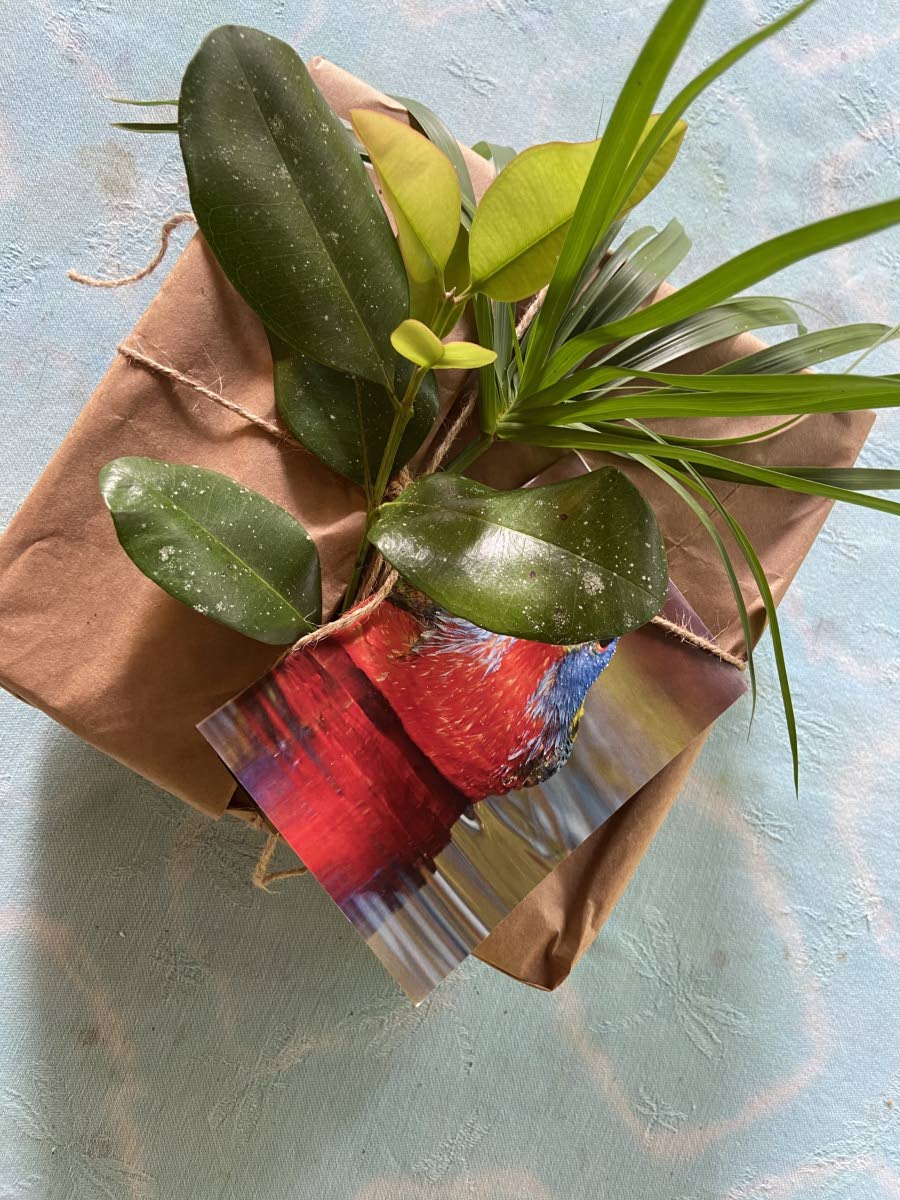
As festive seasons approach, environmental expert Anjani Ganase advocates for a fundamental shift in Christmas celebrations, urging communities to prioritize meaningful gift-giving that benefits both recipients and the planet. The traditional commercialized approach has created alarming environmental consequences that demand immediate attention.
Globally, plastic waste surges by approximately 30% during Christmas festivities, primarily from product packaging, food wrappers, decorations, and gift wrapping materials. This plastic deluge predominantly ends up in landfills, with significant portions eventually polluting marine ecosystems. Compounding this issue, studies reveal that 18-30% of Christmas gifts remain unused, representing billions in wasted resources annually.
Food waste presents another critical concern during the holiday period. United Kingdom data indicates the disposal of two million turkeys, five million Christmas puddings, and 74 million mince pies during seasonal celebrations. This wastage accounts for 17% of all holiday-generated food, totaling 931 million tonnes of discarded sustenance. The environmental impact extends beyond mere quantity, as decomposing food in landfills generates substantial greenhouse gas emissions while squandering valuable resources including labor, transportation, water, and land.
Ganase proposes transformative strategies for sustainable celebrations:
Experience-Based Gifting: Instead of material presents, consider gifting local tourism experiences in Trinidad and Tobago. Options range from waterfall hikes and culinary tours to community visits and nature retreats. Wellness certificates, Carnival fitness packages, or skill-development classes in activities like sailing or steelpan playing offer memorable alternatives that support local businesses.
Local Artisan Support: Purchasing from small businesses that utilize seasonal ingredients or recycled materials strengthens community economies while reducing carbon footprints. Seasonal specialties like ponche de crème, black cake, and artisanal crafts represent both cultural preservation and environmental responsibility.
Plastic-Free Presentation: Embrace creative wrapping solutions using recycled fabrics, newspapers, or reusable containers. Traditional ribbon and twine can replace tape, while natural decorations add aesthetic appeal without environmental cost.
Sustainable Children’s Gifts: Opt for durable, non-plastic alternatives like wooden educational toys, sporting equipment, or exploration kits that encourage outdoor activities and can be passed between generations.
The movement toward eco-conscious celebrations emphasizes gifts that foster community connections, create lasting memories, and demonstrate genuine environmental stewardship—proving that the most valuable presents aren’t necessarily wrapped in plastic.