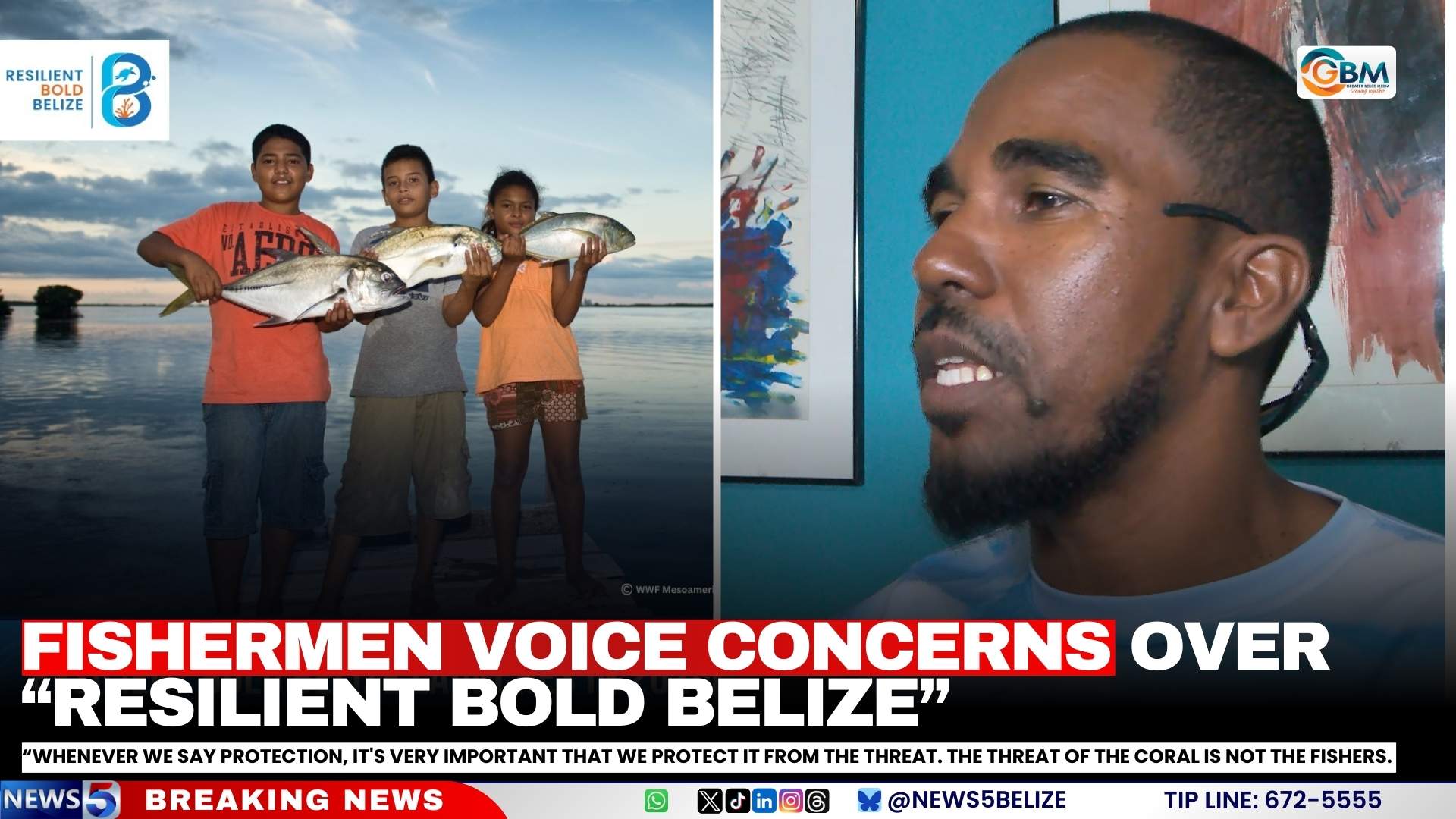
Fishermen in the coastal community of Placencia, Belize, are raising significant objections to the government’s ambitious “Resilient Bold Belize” conservation initiative. The program, which seeks to dramatically expand fully protected marine zones from the current 4% to 20% of Belizean waters by 2026, faces mounting criticism from those who depend on the sea for their economic survival.
Eworth Garbutt, President of the Belize Flat Fisheries Association, has emerged as a leading voice of opposition, characterizing the government’s consultation process as profoundly inadequate. “Less than 1% of this nation knows about the Resilient Bold Belize initiative,” Garbutt stated, highlighting what he describes as a critical lack of transparency and inclusion in the planning stages.
While acknowledging the importance of marine conservation, Garbutt warned that the creation of expanded “no-take zones” would effectively restrict access for both commercial fishermen and tourism operators who rely on these marine territories. He emphasized that proper consultation with coastal communities must precede any implementation of the conservation plan.
The fisheries leader also questioned the scientific rationale behind the initiative, noting its singular focus on coral protection while ignoring broader environmental threats. “The threat to the coral is not the fishers,” Garbutt argued. “The threat is multifactored, but one that stands out for sure is sewer [pollution].” He suggested that conservation efforts should instead target problems like overdevelopment and inadequate wastewater management.
Garbutt further identified enforcement deficiencies and cross-border poaching as unresolved issues that undermine current conservation efforts. He noted that Belize loses millions in revenue annually due to illegal fishing activities that continue despite existing protected areas. “Protected area without efficient management goes nowhere,” he concluded, calling for more practical approaches to marine sustainability.