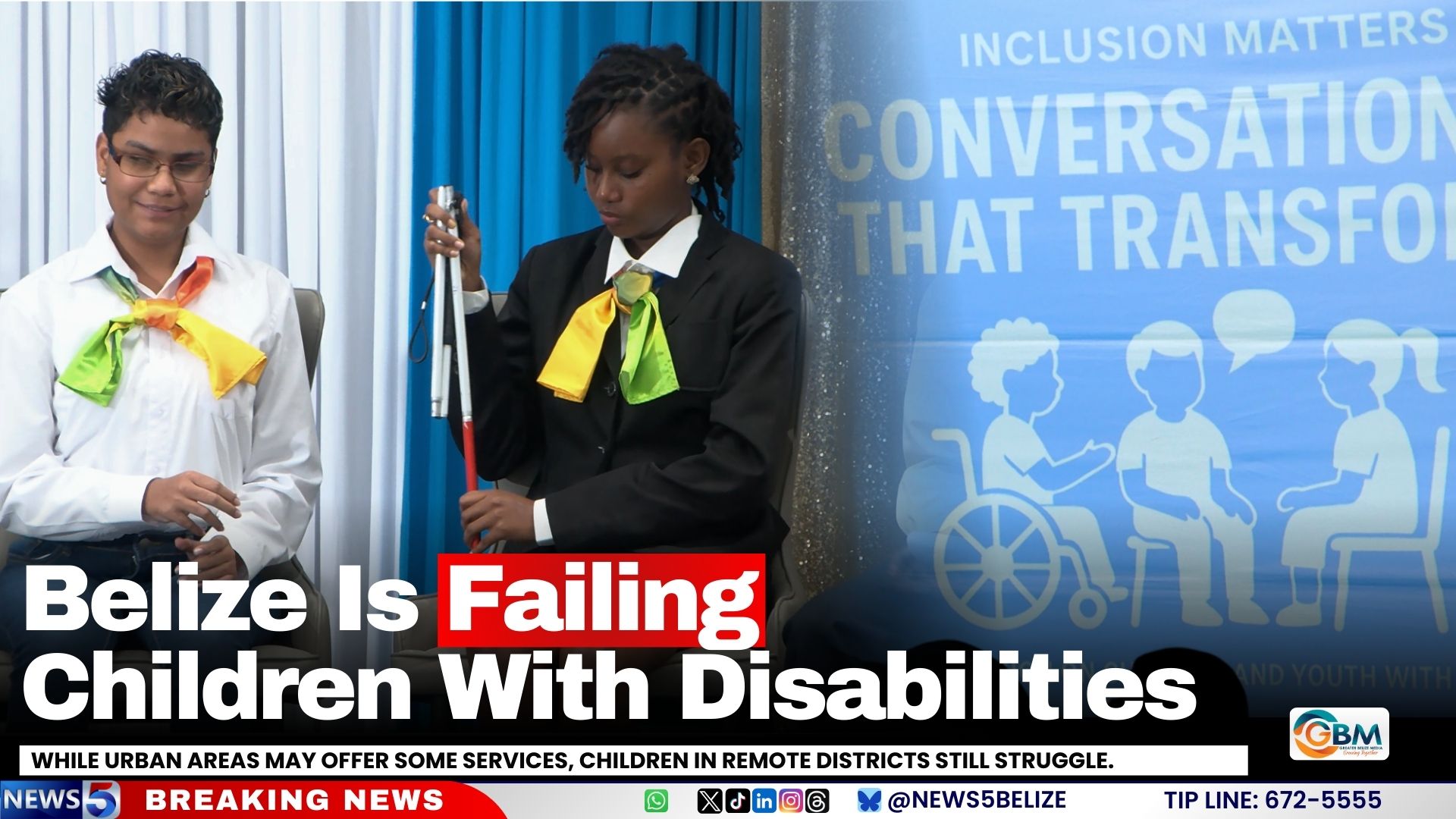
A groundbreaking situational analysis by UNICEF, conducted in collaboration with Belize’s Ministry of Human Development, reveals a troubling reality: the nation is systematically failing its children with disabilities. Published on the first anniversary of the Disabilities Act implementation, the report identifies multiple critical barriers including pervasive discrimination, severely limited service accessibility, inadequate funding mechanisms, and substantial information deficiencies.
The investigation highlights the absence of a national disability registry and a severe shortage of specialized professionals as fundamental structural problems. Legal and data framework gaps further compound these issues, creating insurmountable obstacles to education and healthcare access. UNICEF Monitoring and Evaluation Specialist Paulette Wade emphasized that these findings validate what families have experienced daily, particularly noting the extreme challenges facing children in remote districts like Punta Gorda where transportation infrastructure remains completely inaccessible.
Educational shortcomings form another major concern, with the report documenting insufficient teacher training and a lack of inclusive pedagogical approaches. Despite policy commitments to inclusive education, children with disabilities remain consistently marginalized from development agendas according to Wade.
Francisco Cuellar, President of the Belize Association for Persons with Diverse Abilities, characterized the report as a long-overdue wake-up call, noting that no substantive progress has occurred since the Disabilities Act became law. The advocacy leader called for immediate action on physical accessibility, transportation modifications, and fundamental attitude shifts toward respect and support for the disabled community.
UNICEF intends to utilize these findings to advocate for evidence-based policy reforms, prioritizing programs specifically designed to address the unique needs of children with disabilities rather than blanket approaches that continue to leave the most vulnerable behind.