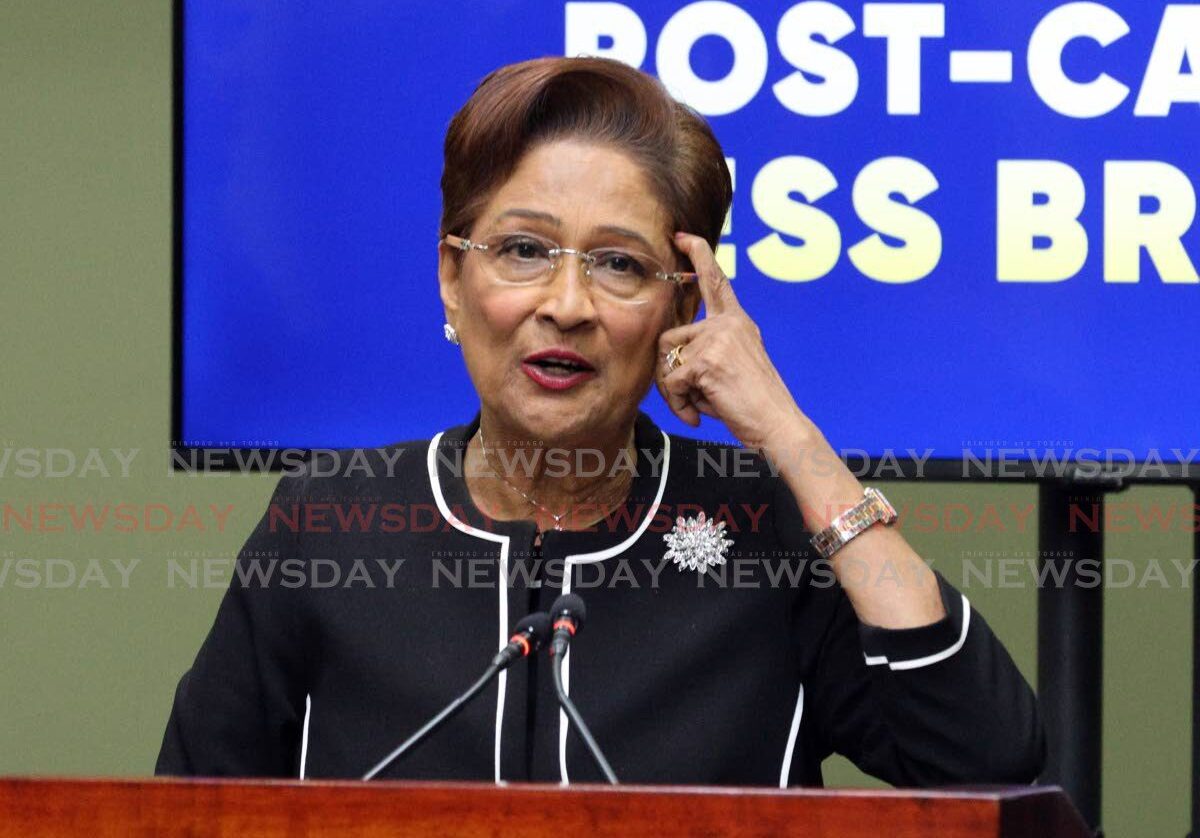
A 30-year-old woman from Arouca has entered a guilty plea for issuing a grave death threat against Trinidad and Tobago’s Prime Minister Kamla Persad-Bissessar through a social media platform. Alianna Samaroo, a mother of two from Five Rivers, confessed before Chaguanas Magistrate Marissa Gomez on December 3rd to violating Emergency Powers Regulations 2025. The charges stem from an October 30th TikTok video posted under the username ‘alianna265,’ in which she explicitly urged Venezuelan President Nicolás Maduro to assassinate Prime Minister Persad-Bissessar and members of her Cabinet.
Following seven days in detention, Samaroo was granted bail at TT$50,000 and is scheduled for sentencing on December 18th. Her legal representation was provided by attorneys Roshni Balkaran and Shiva Boodoo. The case has drawn significant public attention, particularly after the defendant’s mother, Elizabeth Vasquez-Rosales, made a public appeal for forgiveness, expressing hope that her daughter would learn respect for the nation’s leadership and parliamentary institutions.
This incident occurs amidst heightened vigilance by Trinidad and Tobago authorities against online threats targeting public officials. Police Commissioner Allister Guevarro has issued stern warnings that social media users attempting to destabilize the country or issue threats will face prosecution. The Cyber and Social Media Unit of the TT Police Service is actively monitoring digital platforms and gathering evidence of illicit activities.
Commissioner Guevarro’s statements followed similar cases, including threats against Opposition Senator Dr. Amery Browne through Facebook posts, which resulted in multiple criminal charges. Additionally, on November 12th, authorities arrested a Diego Martin woman under a Preventive Detention Order for allegedly inciting violence against the Prime Minister through separate social media content. Guevarro emphasized that while freedom of expression is protected, it does not extend to criminal conduct that threatens national security or public officials’ safety.