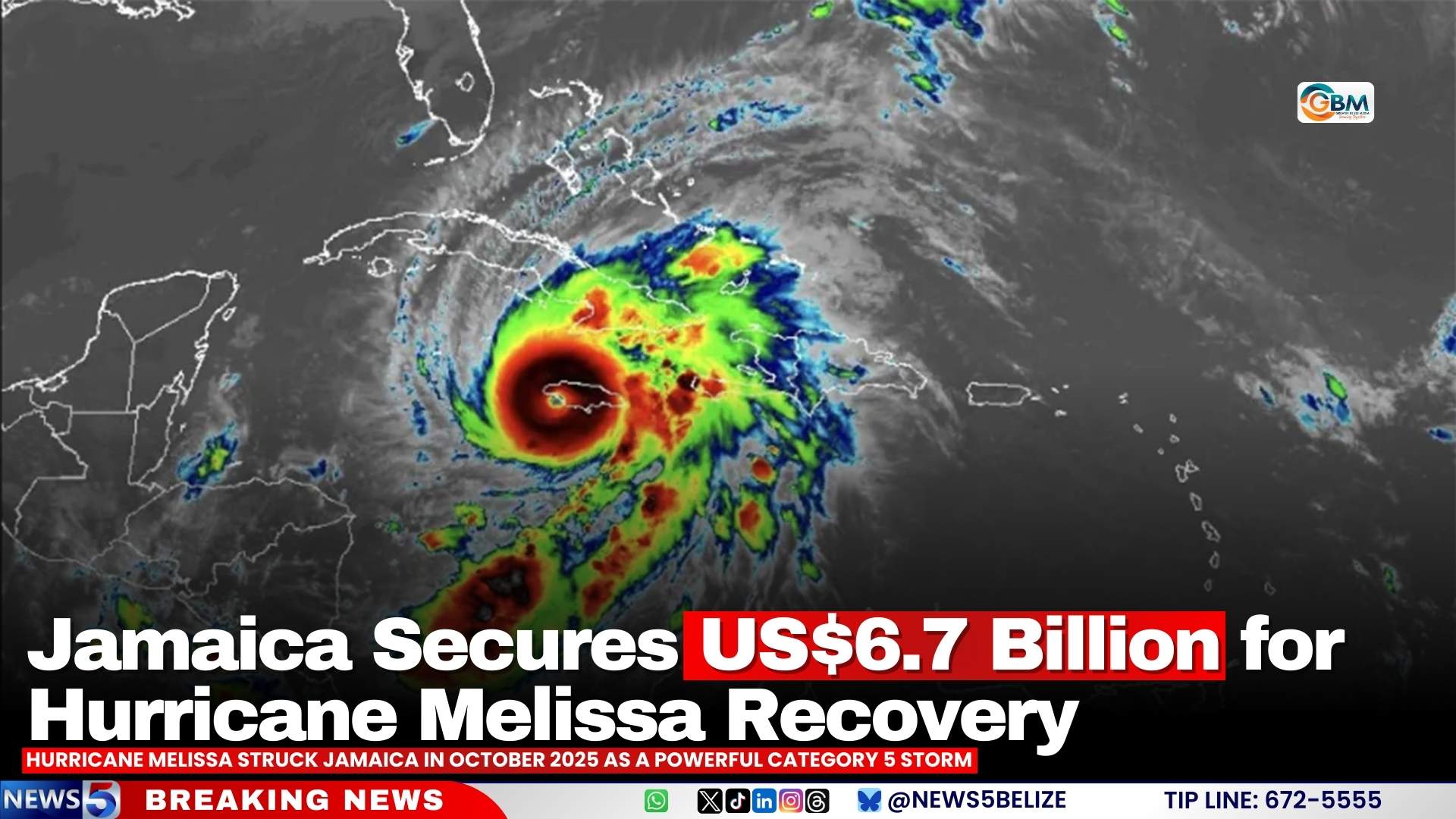
Jamaica has obtained a substantial international financial package totaling US$6.7 billion to support recovery efforts following the devastating impact of Hurricane Melissa. The comprehensive assistance package was coordinated following direct appeals from Prime Minister Andrew Holness to global financial institutions.
The funding consortium includes multiple international organizations: the Development Bank of Latin America and the Caribbean (CAF), the Caribbean Development Bank, the Inter-American Development Bank Group, the International Monetary Fund, and the World Bank. This collaborative effort represents one of the largest disaster recovery packages in Caribbean history.
Hurricane Melissa made landfall in Jamaica during October 2025 as a catastrophic Category 5 storm, generating widespread destruction across the island nation. The hurricane caused massive flooding, severely damaged residential areas, educational facilities, and critical infrastructure networks, while displacing thousands of Jamaican citizens. Preliminary damage assessments indicate total losses reaching approximately US$8.8 billion, establishing Melissa as one of the most destructive meteorological events in Jamaica’s recent history.
The recovery package incorporates multiple financial instruments including immediate emergency relief allocations, long-term reconstruction financing, specialized technical assistance programs, and substantial private investment components. This multi-faceted approach aims to not only restore damaged infrastructure but also build enhanced resilience against future climate-related disasters.
Jamaica’s proactive disaster risk management planning enabled rapid initial response efforts. Within days of the hurricane’s impact, US$662 million became available through various mechanisms including government contingency reserves, the Caribbean Catastrophe Risk Insurance Facility, World Bank catastrophe bonds, and IDB credit facilities. This immediate funding addressed critical humanitarian needs while longer-term recovery strategies were being developed.
The newly announced comprehensive package allocates US$3.6 billion over a three-year implementation period, targeting priority government reconstruction projects, resilient infrastructure development, small business rehabilitation programs, budgetary support, and technical guidance initiatives. Additionally, approximately US$2.4 billion in private investment is anticipated to significantly expand the scale and scope of recovery operations.