A significant communication breakdown has emerged between Trinidad’s Public Services Association (PSA) and the Office of the Chief Personnel Officer (CPO) regarding the implementation of a recently negotiated wage agreement for public servants, casting uncertainty over the promised $3.8 billion in back payments.
PSA President Felisha Thomas announced on December 2nd that her union had secured a landmark memorandum of agreement (MoA) with the government, featuring a 10% wage increase and full cash payment of arrears by December 23rd. In a circular to members, Thomas declared victory, stating the agreement represented “financial relief” and “recognition of your hard work.”
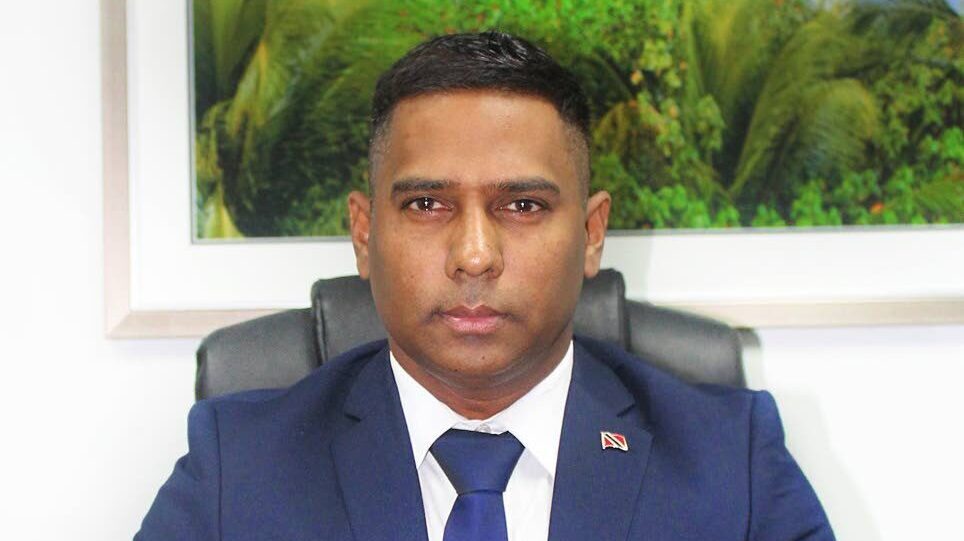
However, Chief Personnel Officer Dr. Daryl Dindial provided a contradictory account to Newsday, revealing that the December payment would constitute only a partial advance—approximately $500 million—rather than the full $3.8 billion owed. He clarified that the complete arrears settlement would require extended negotiations in January and would likely be distributed across multiple fiscal years to avoid straining government finances.
Dr. Dindial further explained that the final settlement package would likely combine cash payments with non-cash benefits, potentially including debt forgiveness for housing mortgages, health benefits, and other allowances. This approach aims to minimize the state’s cash flow impact while providing meaningful relief to workers.
The CPO’s office subsequently issued a press release describing the negotiations as “memorable” but conspicuously omitted any reference to the December 23rd deadline for full payment mentioned by the PSA president.
When questioned about the conflicting messages, Dr. Dindial declined to comment on President Thomas’s statements but directed the public to the CPO’s official website for accurate information regarding the wage negotiation process. He emphasized the government’s responsible fiscal approach, noting that the Ministry of Finance had not previously allocated funds for such substantial arrears payments.