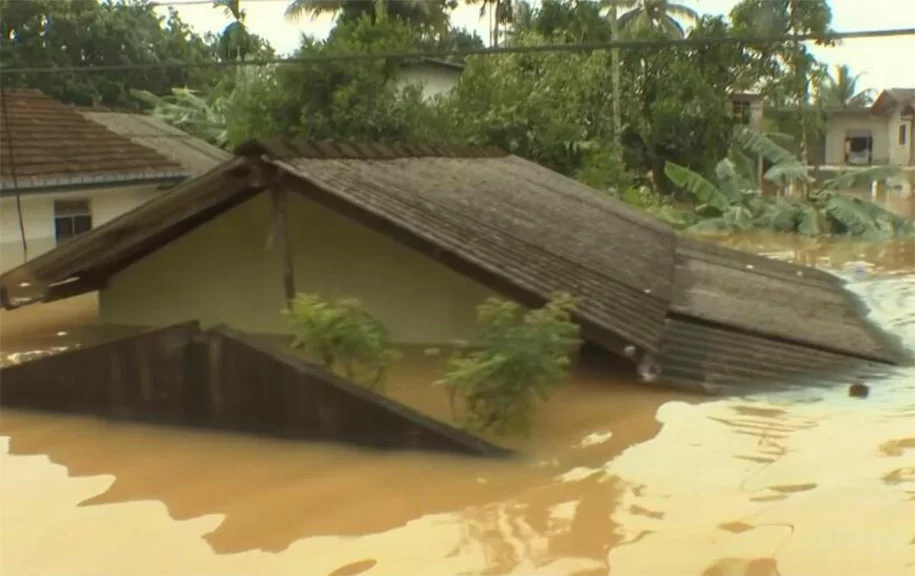
Sri Lanka faces a mounting humanitarian catastrophe as Cyclone Ditwah continues to unleash devastating floods and landslides across the island nation. Official reports confirm nearly 200 fatalities with dozens more missing, marking one of the most severe weather events in recent history.
The capital Colombo experienced extensive flooding throughout Monday as the powerful cyclone triggered torrential rains and massive mudslides. The central highlands, particularly tea-growing regions, suffered the most severe impacts with entire communities cut off from rescue operations. Authorities reported that approximately 44,000 residents have been displaced and are currently sheltering in temporary relief centers.
Emergency response teams are working relentlessly to clear roadways blocked by fallen trees, mudflows, and debris. The government has taken extraordinary measures including closing schools and offices, postponing examinations, and suspending passenger train services nationwide. Most reservoirs and rivers have overflowed their banks, creating additional hazards across affected regions.
From Friday, floodwaters from the worst-hit areas began moving downstream toward Colombo, despite the capital receiving relatively less rainfall. Meteorological experts predict Cyclone Ditwah, which developed in the seas east of Sri Lanka, will reach India’s southern coast by Sunday.
In a significant international response, neighboring India has deployed 80 specialized rescue personnel to Colombo to assist in search and recovery operations. The collaboration comes as weather forecasts indicate continued rainfall across Sri Lanka with the storm expected to track over northern regions.
The catastrophe extends beyond Sri Lanka’s borders. Across Southeast Asia, the death toll from catastrophic flooding and landslides has exceeded 350. Rescue teams are racing against time to reach isolated communities in Indonesia, Thailand, and Malaysia where relentless monsoon rains have created unprecedented flooding conditions.
In Indonesia’s Aceh province, dozens have perished with survivors engaged in the grim task of removing mud from their homes. The annual monsoon season, typically occurring between June and September, has been intensified by climate change factors leading to altered storm patterns, increased rainfall intensity, and stronger wind gusts. Many residents remain stranded on rooftops awaiting rescue as floodwaters continue to rise.