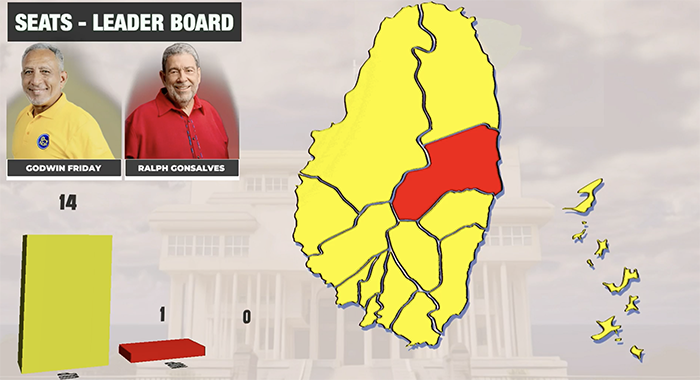
In a dramatic political upheaval that defied conventional expectations, Vincentian voters have delivered a powerful verdict against entrenched power structures and political entitlement. The election outcome represents far more than a simple transfer of power—it constitutes a fundamental rejection of perceived arrogance and unaccountability that had gradually permeated the ruling party’s culture.
Political analysts note that the former administration’s decline stemmed from a growing perception that its representatives and their families had developed an aura of invincibility and privilege. The former prime minister’s leadership style increasingly came under scrutiny, particularly his apparent reluctance to hold ministers and even his own sons accountable for controversial actions. His response to the Yugge Farrel matter, advocating for ‘dignified silence’ rather than transparency, particularly resonated as emblematic of this problematic approach.
The ‘Revelations’ episode, intended to demonstrate strong leadership, instead backfired spectacularly by reinforcing public perceptions of systemic corruption, nepotism, and entitlement. Specific cases such as Carlos James’s alleged misconduct and the disturbing allegations of violence against women further eroded public trust, creating an impression of political figures considering themselves beyond reproach.
Agricultural communities expressed particular discontent with figures like Saboto Caesar, who appeared to be competing with the very farmers he was meant to serve—echoing the critical fable of ‘All for me, and some for you.’ This sentiment extended to the troubling behavior of political families who seemed to operate with impunity due to their connections.
The election ultimately transformed from traditional party loyalty to a broader movement rejecting bullying, entitlement, and fear-based politics. Ironically, the former administration inadvertently educated an entire generation about their democratic power, which they decisively exercised at the polls.
Camillo Gonsalves’s gracious concession speech demonstrated reflective maturity, while Curtis King’s dramatic defeat reflected public dissatisfaction with perceived weaknesses and his wife’s controversial behavior. The message to the victorious NDP remains clear: this represents conditional trust rather than blind loyalty, with voters ready to hold them to the same standards of accountability they demanded from their predecessors.
This political shift marks both a season of change and a powerful reminder that in democracy, ultimate power resides with the people.