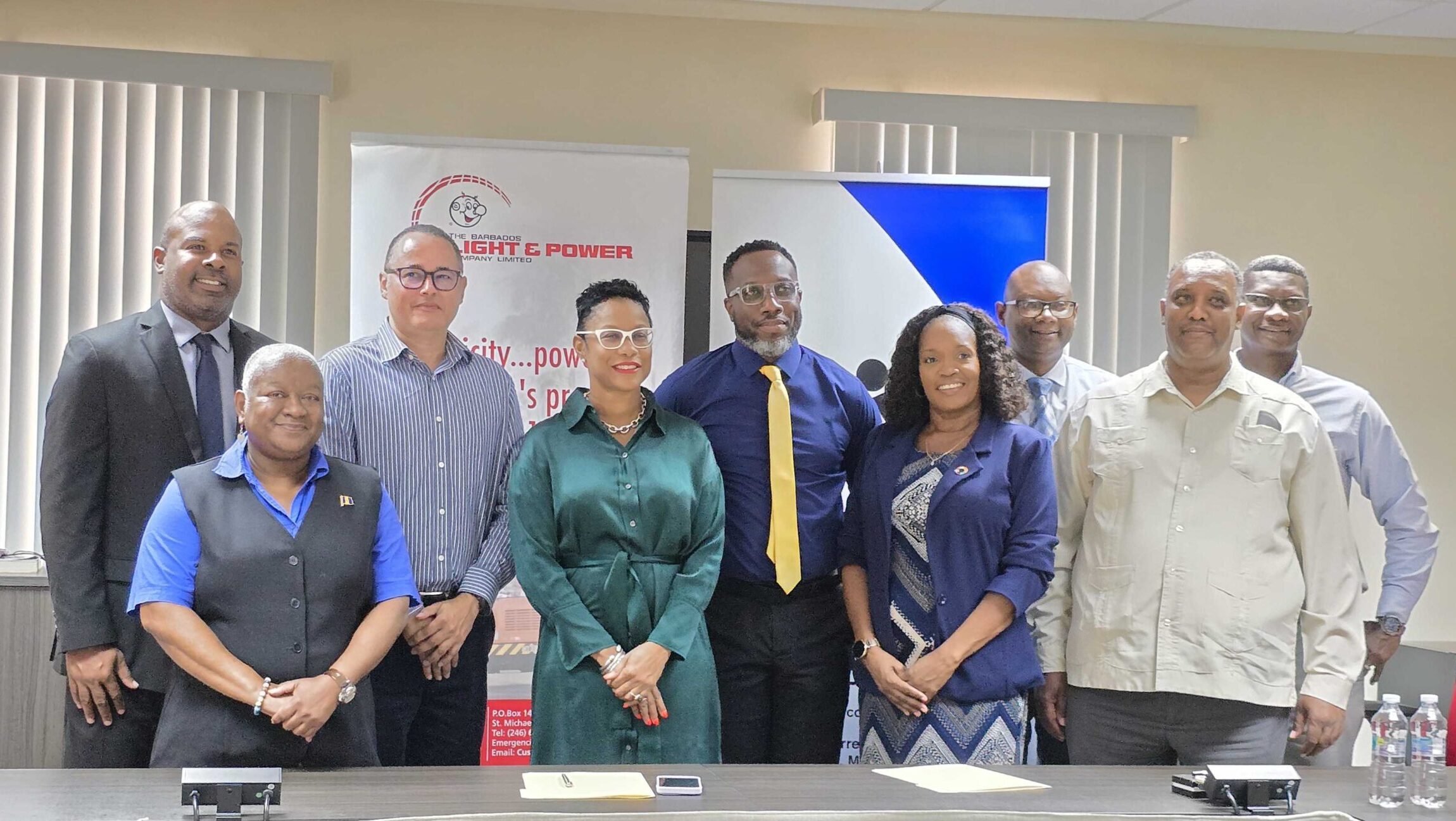
In a transformative move for its energy future, Barbados has successfully averted potential grid collapse and secured long-term electricity stability through newly ratified licensing agreements with the Barbados Light and Power Company (BLPC). The landmark signing ceremony at Warrens Office Complex, presided over by Energy Minister Senator Lisa Cummins, clears the path for over $500 million in renewable energy investments while extending operational frameworks beyond the previous 2028 expiration deadline.
Minister Cummins characterized the previous energy infrastructure as being in ‘gridlock’ due to insufficient storage capacity, emphasizing that these newly negotiated licenses fundamentally restructure the nation’s power procurement ecosystem. The comprehensive agreement establishes a modernized framework for power purchase agreements between independent renewable energy producers and BLPC as the primary off-taker, effectively democratizing energy generation while ensuring grid reliability.
The licensing breakthrough enables financial institutions, notably Scotiabank as represented at the signing, to release previously frozen capital for massive renewable infrastructure development. This financial unlocking addresses what energy officials described as a critical investment bottleneck that had hampered Barbados’ transition to sustainable energy sources.
BLPC Managing Director Roger Blackman hailed the 30-year licensing arrangement as ‘an important milestone’ that creates unprecedented operational certainty. The new structure separates generation/storage operations from transmission/distribution activities, establishing distinct regulatory frameworks for each sector while ensuring coordinated grid management. This bifurcated approach allows for streamlined integration of independent power producers while maintaining BLPC’s oversight of grid stability.
The minister highlighted the legislative evolution from the outdated Electric Light and Power Act to the contemporary Electricity Supply Act, requiring meticulous alignment between existing operations and new regulatory standards. The transition eliminates a potential regulatory vacuum that could have emerged after 2028, ensuring continuous investment in grid modernization and preventing infrastructure deterioration that might have led to blackouts.
This strategic energy sector overhaul coincides with Barbados’ Energy Month celebrations, marking the culmination of what Minister Cummins described as ‘a genuinely aggressive period’ of behind-the-scenes restructuring. The new licenses take immediate effect upon revocation of previous orders, creating seamless regulatory continuity that promises to transform Barbados’ energy landscape for generations to come.