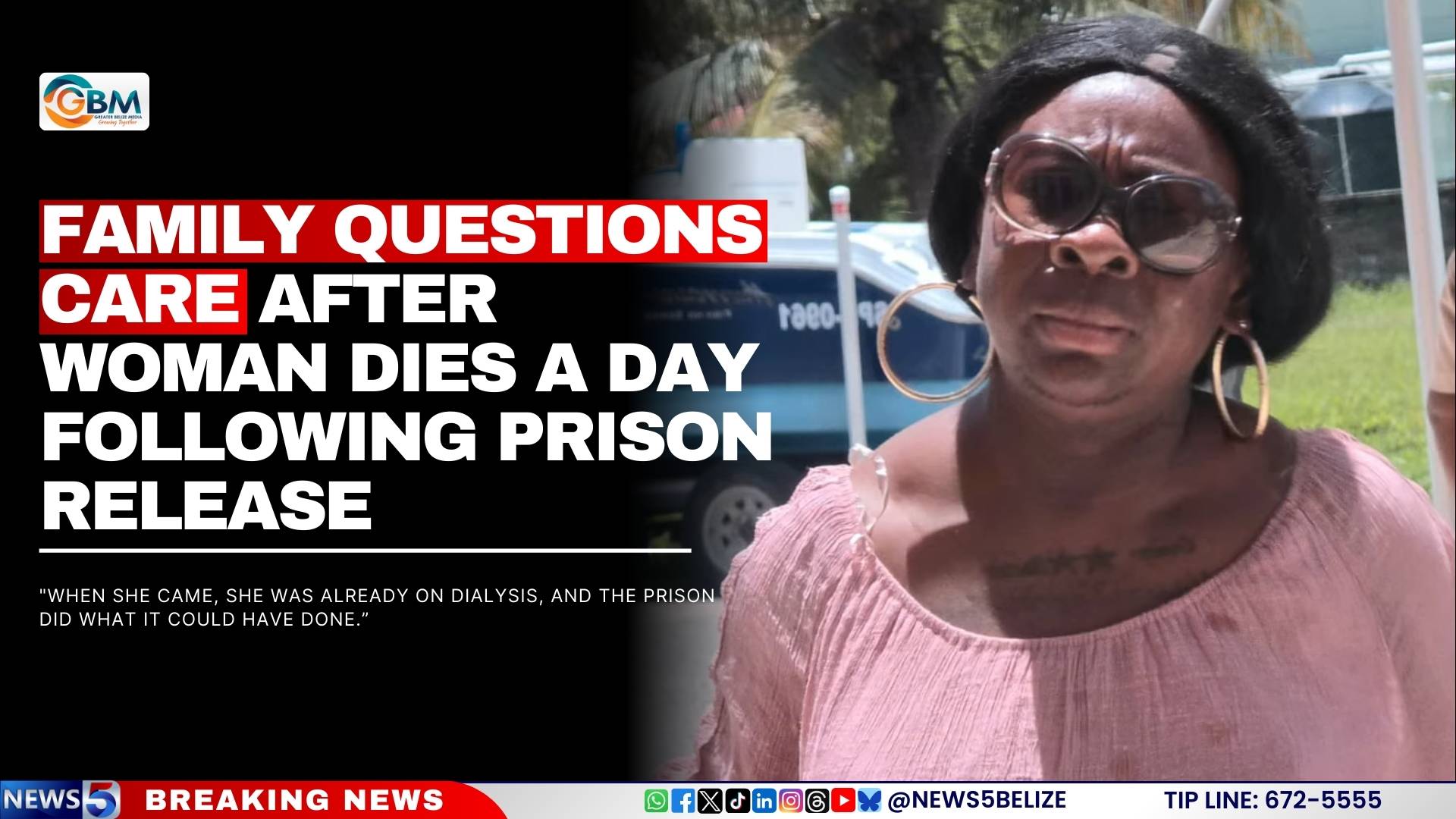
A tragic case emerging from Belize has ignited serious concerns regarding healthcare standards within correctional facilities. Shirley Arnold, a 47-year-old woman with chronic health complications, passed away merely 24 hours after being discharged from Belize Central Prison, operated by the Kolbe Foundation.
Arnold initially encountered legal troubles in June when apprehended for operating an unlicensed vehicle. During her court appearance, she explained her dire circumstances—rushing to receive essential dialysis treatment while lacking alternative transportation. The judicial authority demonstrated leniency, imposing a minimal fine of $105 in recognition of her medical and financial hardships.
Despite this compassion, Arnold—identified as a repeat offender—ultimately served time at the facility. Her family now alleges systemic negligence, asserting that prison authorities failed to deliver appropriate medical attention during her incarceration. They are preparing legal measures against the institution.
Virgilio Murillo, CEO of the Kolbe Foundation, provided the prison’s perspective in an interview with News Five. He confirmed that Arnold received scheduled dialysis treatments at the Karl Heusner Memorial Hospital (KHMH) throughout her detention. Murillo characterized Arnold as frequently ‘noncompliant’ and ‘belligerent,’ creating significant challenges for staff. He suggested that Arnold’s own attitude may have contributed to the situation, stating, ‘I think Shirley reached a point where she may have just given up.’ Despite these behavioral issues, Murillo maintained that correctional personnel ‘did all that could have been done’ under difficult circumstances.
The contrasting narratives highlight ongoing debates about prisoner welfare, particularly regarding individuals with serious pre-existing medical conditions. This incident raises fundamental questions about institutional responsibility versus personal accountability in correctional healthcare systems.