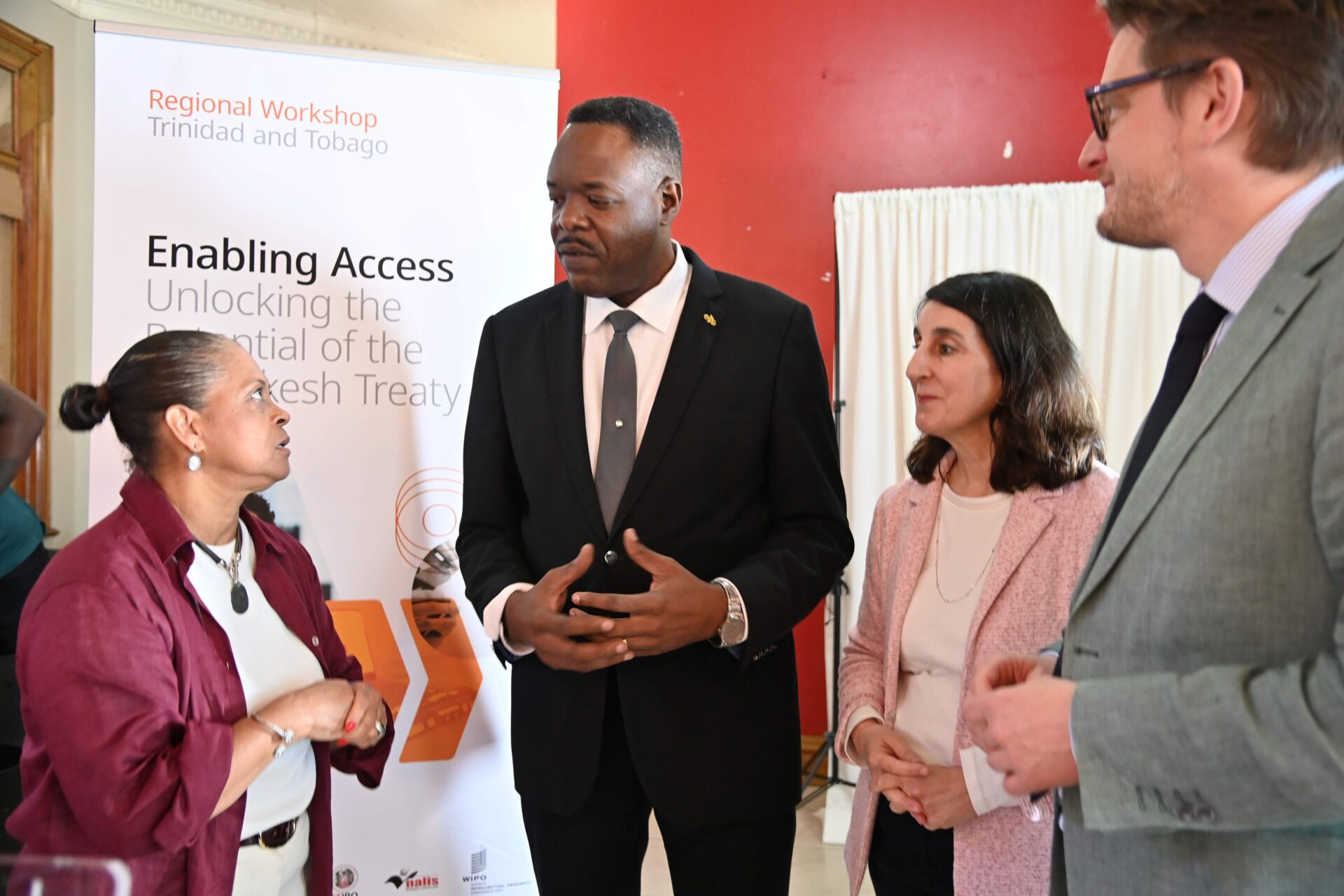
In a groundbreaking address to educational publishers, Dr. Wayne Wesley, Registrar and CEO of the Caribbean Examinations Council (CXC), has declared accessible learning materials “a moral imperative” for the education sector. The senior official’s powerful statement came during a World Intellectual Property Organization workshop in Port-of-Spain on November 26, where he outlined transformative policy changes that will reshape educational publishing across the Caribbean region.
Dr. Wesley emphasized the urgent necessity for learning resources in multiple accessible formats, including braille, large print, and digitally compatible editions that work seamlessly with assistive technologies. This strategic direction aligns with the international framework established by the Marrakesh Treaty, adopted in 2013 to facilitate access to published works for persons who are blind, visually impaired, or otherwise print-disabled.
The CXC has instituted a mandatory requirement for all future contractual agreements with publishers to include the production of accessible digital formats. In a significant incentive measure, authors who demonstrate support for the Marrakesh Treaty principles will receive priority consideration when selecting prescribed texts for syllabuses across the Caribbean education system.
Statistical evidence presented by Dr. Wesley highlighted the critical nature of this initiative. Recent data reveals that among Caribbean children aged 5 to 16, more than 0.1% experience blindness while up to 0.3% live with low vision conditions. Country-specific studies show 2.4% of Barbadian children under 18 cope with visual impairment, while 64% of high school students in Trinidad and Tobago require visual aids due to refractive errors. Hearing impairment also presents substantial challenges, with Jamaican research indicating a 4.9% prevalence rate among young students.
The growing demand for accessibility accommodations is reflected in examination statistics. In 2025, CXC provided Special Arrangement Assessments for 3,444 candidates across CAPE, CSEC, and CCSLC examinations—a notable increase from 3,271 accommodations in the previous year.
Dr. Wesley framed these statistics in human terms, stating, “Each data point represents an individual child whose educational journey depends on our collective commitment to accessibility. We cannot afford to fail them.”
Looking forward, CXC will collaborate with education ministries throughout the Caribbean to encourage governments to formally sign and implement the Marrakesh Treaty. The council will also conduct comprehensive training and sensitization sessions for secondary school educators, equipping them with the skills necessary to support visually impaired and print-disabled learners effectively.
Reaffirming CXC’s dedication to educational equity, Dr. Wesley concluded: “Accessible educational materials transcend mere legal compliance or ethical considerations—they represent a fundamental moral obligation. Fully implementing the Marrakesh Treaty’s potential will empower visually impaired persons and all learners to read, learn, and ultimately thrive.”