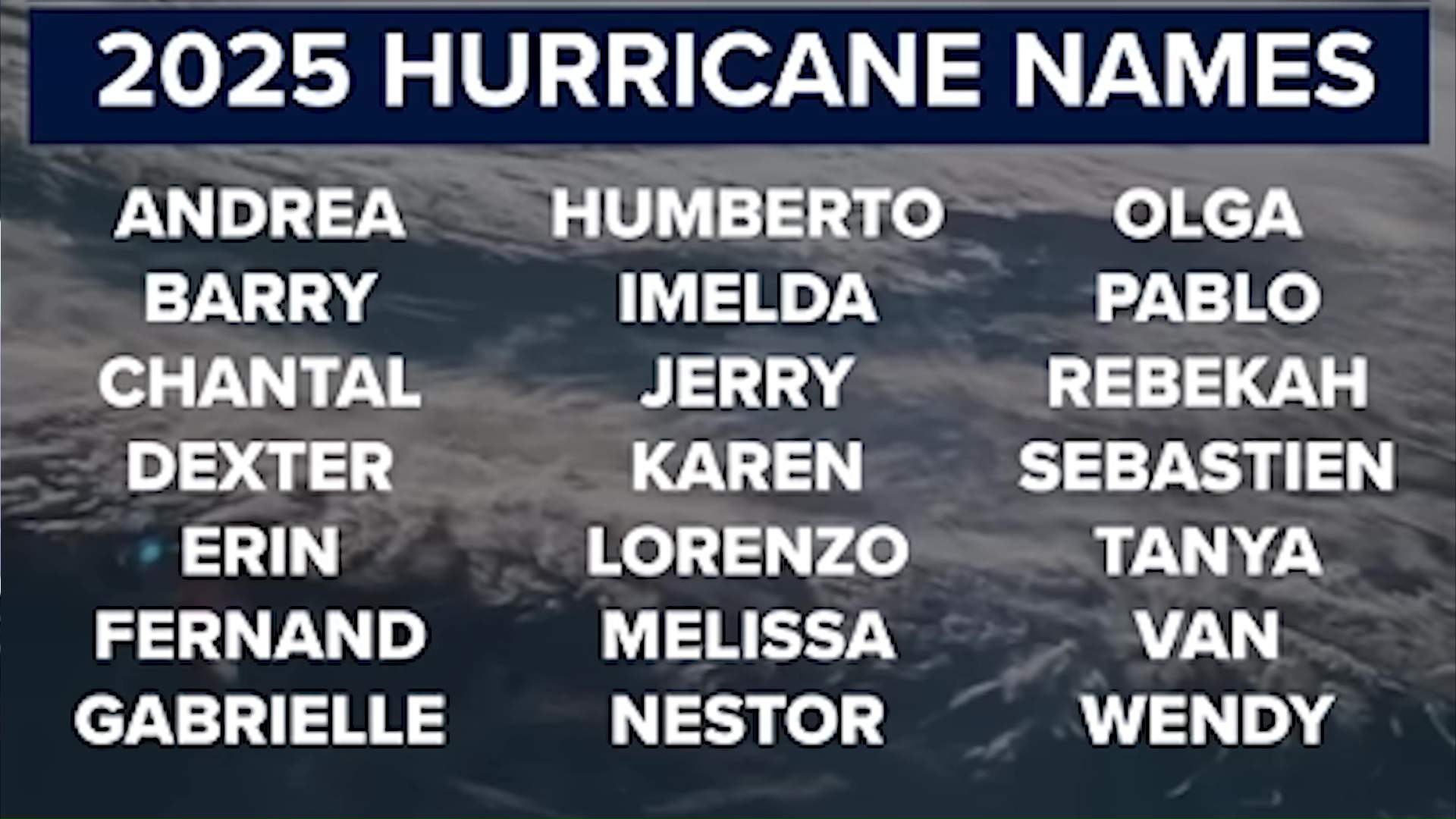
As the 2025 Atlantic hurricane season approaches its official conclusion, meteorological data reveals a paradoxical trend that has characterized this year’s cyclonic activity. While the total number of named storms fell slightly below historical averages, the season produced an alarming concentration of exceptionally powerful hurricanes that caused catastrophic damage across the Caribbean region.
According to Ronald Gordon, Chief Meteorologist at Belize’s National Meteorological Service, the 2025 season generated thirteen named storms compared to the typical fourteen. Hurricane formation also decreased significantly, with only five systems reaching hurricane status versus the normal seven. However, the most striking statistic emerges from the intensity metrics: four of these five hurricanes intensified into major hurricanes (Category 3 or higher), with three reaching the maximum Category 5 classification.
The most devastating event was Hurricane Melissa, which made landfall in Jamaica during the season’s final weeks as a Category 5 monster. The storm inflicted catastrophic damage estimated at over eight billion dollars, making it one of the most financially destructive hurricanes in Caribbean history.
Meteorological analysis confirms these patterns align with long-term climate projections. Although the total number of storms may not increase, climate models consistently predict that tropical systems will demonstrate more rapid intensification and achieve greater peak intensities. This season’s data provides compelling evidence supporting these projections, with several hurricanes undergoing explosive development.
Gordon emphasized that weather vigilance remains crucial beyond the traditional hurricane season. The region now faces other climate hazards including potential December and January flooding events, followed by drought conditions and heightened wildfire risks during the February-April dry season. Meteorological authorities continue to advise Caribbean nations to maintain emergency preparedness protocols throughout the year, recognizing that climate change has fundamentally altered traditional weather patterns and associated risks.