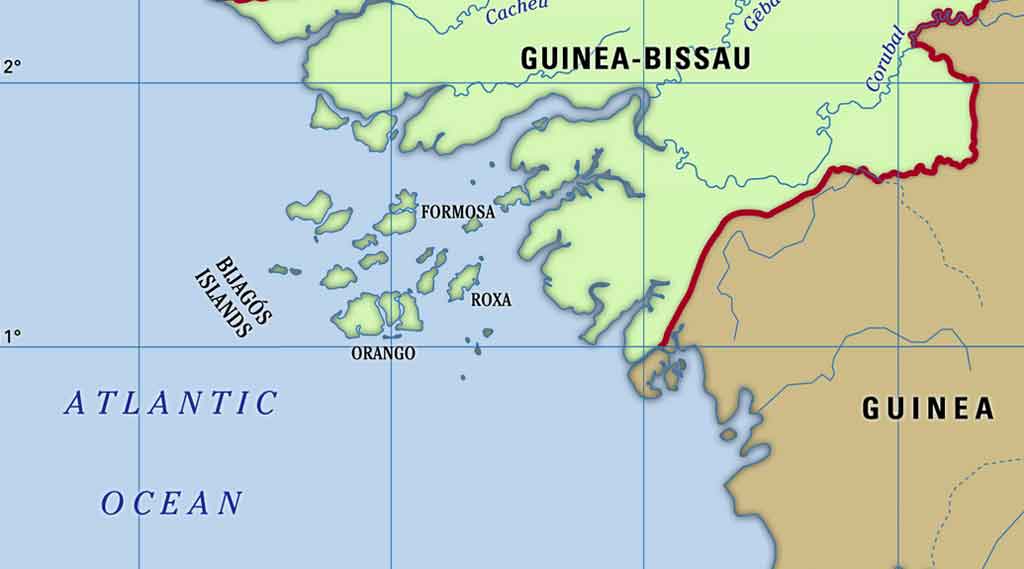
The Portuguese government has issued a formal appeal for calm in Guinea-Bissau following a military assault that has plunged the West African nation into renewed political turmoil. In an official statement, Portugal’s Foreign Ministry called on all factions to “refrain from acts of institutional or civil violence” and resume normal governmental operations to complete the electoral process.
The recent crisis emerged when a faction identifying as the “Superior Military Command to Restore National Security” seized control, implementing severe measures including border closures, media blackouts, and nighttime curfews. This development underscores the profound systemic instability that has plagued the country for decades.
African affairs specialists contextualize this latest upheaval within broader historical patterns. They identify Western neocolonial practices as a fundamental driver of recurring violence, arguing that continuous external interference in democratic mechanisms perpetuates cycles of instability across sovereign African nations.
Guinea-Bissau presents a particularly stark case study in persistent political fragility. Since gaining independence from Portugal in 1974, the country has experienced nine successful or attempted coups. Experts emphasize that this pattern demonstrates how former colonial powers maintain sophisticated systems of domination that continue to impede meaningful self-determination and development across the continent.