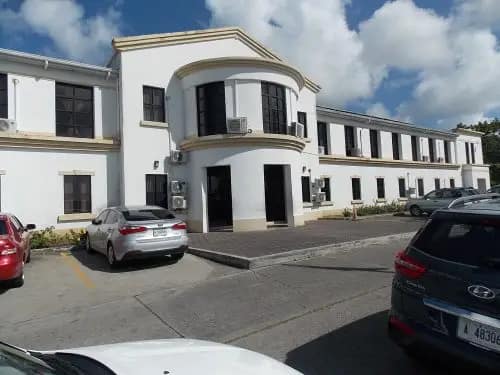
In response to mounting concerns over workplace conditions affecting both employee health and operational efficiency, the government has initiated an intensified islandwide assessment of over 400 state-owned and occupied buildings. The comprehensive review targets persistent issues including water infiltration, mold proliferation, inadequate ventilation, and other structural deficiencies that have compromised working environments across multiple agencies.
Maurice Merchant, Director General of Communications, revealed that Cabinet consensus acknowledged the advanced deterioration evident in numerous public facilities, some dating back several decades. This recognition has catalyzed the implementation of a more rigorous maintenance and inspection protocol. Several key ministries—Tourism, Education, and Agriculture—are already undergoing corrective measures as part of the Ministry of Works’ existing maintenance program.
The current initiative substantially expands these efforts, mandating all departments to ensure their premises comply with stringent standards for safety, air quality, and structural soundness. Merchant highlighted the government office complex constructed in the 1990s—designed without operable windows and consequent natural ventilation—as emblematic of systemic infrastructure challenges.
A specialized maintenance fund administered by the Ministry of Works has been established to finance urgent repairs and building upgrades. This resource is actively deployed to address leaks, eradicate mold, modernize ventilation infrastructure, and prevent rapid structural decline.
As part of the enhanced review, an HVAC specialist has been engaged to collaborate with the ministry in diagnosing and remedying air quality and ventilation issues throughout the public sector. The Department of Analytical Services continues producing assessment reports and recommendations, which are disseminated to permanent secretaries and department heads for prompt action.
Additionally, Merchant confirmed that a revised national building code—incorporating updated standards for air quality, ventilation, structural integrity, and health-centric design—will be presented to Parliament by early 2026. This legislative update underscores the administration’s sustained commitment to aligning public infrastructure with contemporary health and occupational requirements.
The intensified inspection regime is anticipated to preclude buildings from becoming unusable while fostering productivity enhancements across public services.