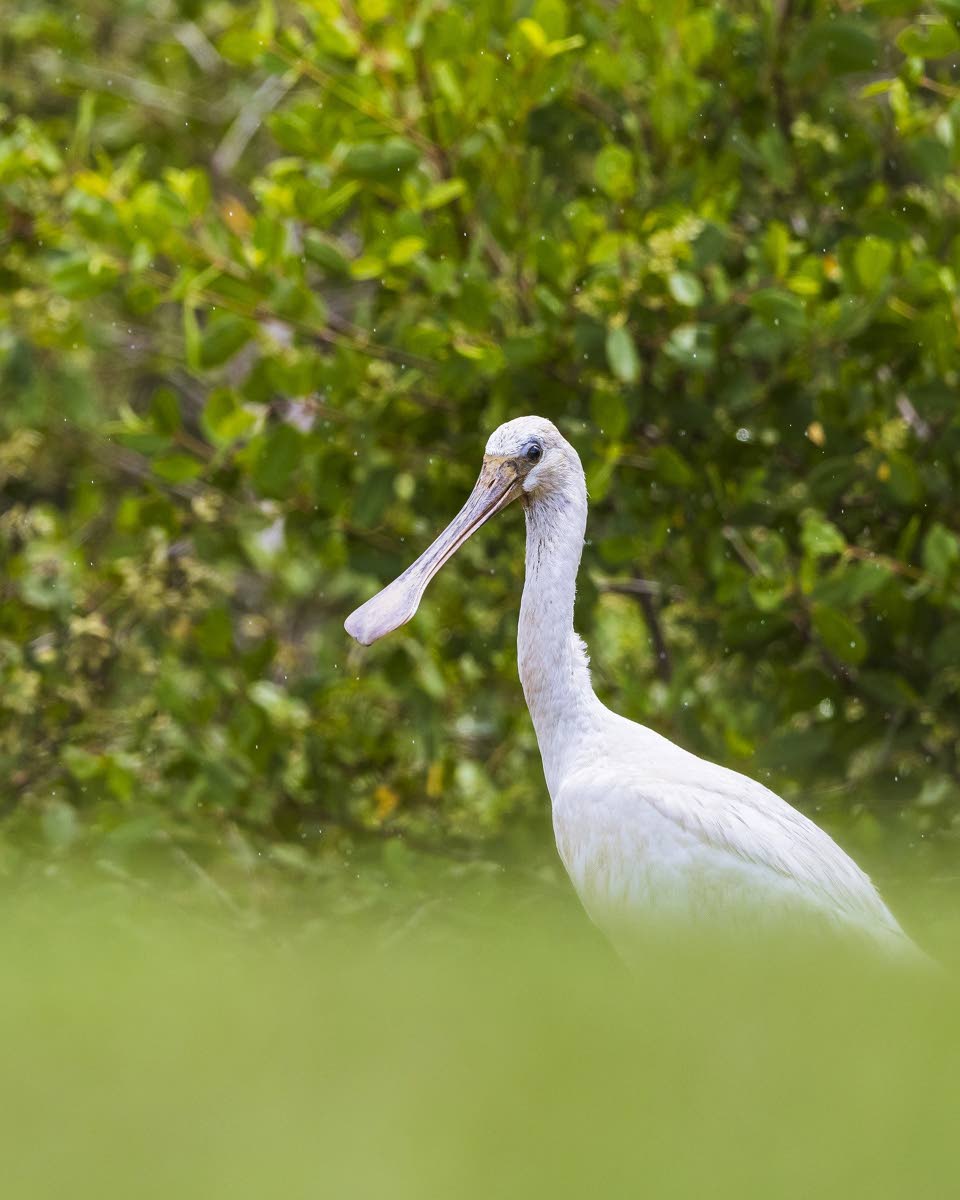
As winter approaches, the boreal forests and tundra of the far north signal the start of a remarkable natural phenomenon: bird migration. In the southern Caribbean, this annual event brings a flurry of avian activity, with species like the spotted sandpiper and blackpoll warbler making their way to warmer climes. These birds, driven by ancient instincts, traverse vast distances, some covering the equivalent of a lunar journey over their lifetimes. The spotted sandpiper, for instance, arrives in Trinidad and Tobago in August, shedding its spotted plumage for a more subdued winter look, only to regain its vibrant appearance by April in preparation for its return north. The migration is not just a visual spectacle but also an auditory one, with warblers adding their melodic chirps to the Caribbean soundscape. However, this natural rhythm faces challenges from human activities and extreme weather events, which can disrupt migratory paths. Despite these obstacles, the resilience and adaptability of these birds underscore their role as true global citizens, offering lessons in sustainability and ecological balance.