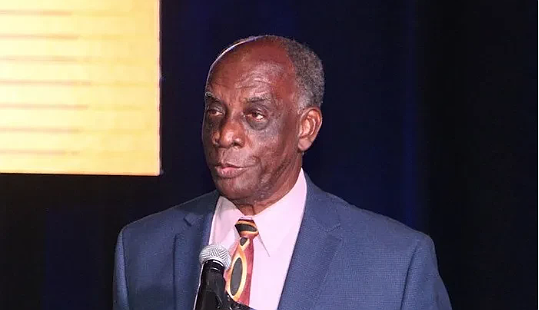
Election officials in The Bahamas expressed profound puzzlement at the strikingly low voter participation during Monday’s Golden Isles by-election, where official data revealed more than 4,000 registered voters abstained from casting ballots. Parliamentary Commissioner Harrison Thompson disclosed that merely 3,884 individuals exercised their democratic right despite a constituency registry of 7,926 eligible voters.
The electoral outcome saw Progressive Liberal Party candidate Darron Pickstock secure victory with 1,873 votes, followed by Free National Movement contender Brian Brown with 1,637 votes. Brian Rolle of the Coalition of Independents garnered 352 votes, while independent candidate Karen Butler received 16 votes, with six ballots invalidated as spoiled.
This alarming voter disengagement has triggered concerns across political establishments and electoral observers. Free National Movement leader Michael Pintard acknowledged his party’s need to intensify voter mobilization efforts, while PLP insiders expressed apprehension about potential implications for the approaching general election.
Commissioner Thompson suggested the proximity of expected national elections might have diminished voter motivation for this interim contest. Historical patterns indicate governing parties typically perform strongly in Bahamian by-elections, with the PLP having dominated most such contests since independence.
The electoral atmosphere intensified when former Prime Minister Hubert Ingraham predicted prior to the vote that a PLP victory would precipitate an early general election, potentially by March, while a loss would cause the governing party to ‘stench’—presumably meaning stall or become stagnant.
Post-election developments show increased activity at satellite registration stations nationwide, though Thompson anticipates minimal impact on overall registration numbers given the existing national registry has surpassed 196,000—an all-time high. Simultaneously, authorities continue urging residents to verify information for newly implemented biometric identification cards.
With Golden Isles and Killarney maintaining their status as the most populous constituencies, and Prime Minister Philip ‘Brave’ Davis having previously supported boundary adjustments to balance voter distribution rather than create new seats, Thompson confirmed his department stands prepared to implement whatever changes the electoral commission may recommend.