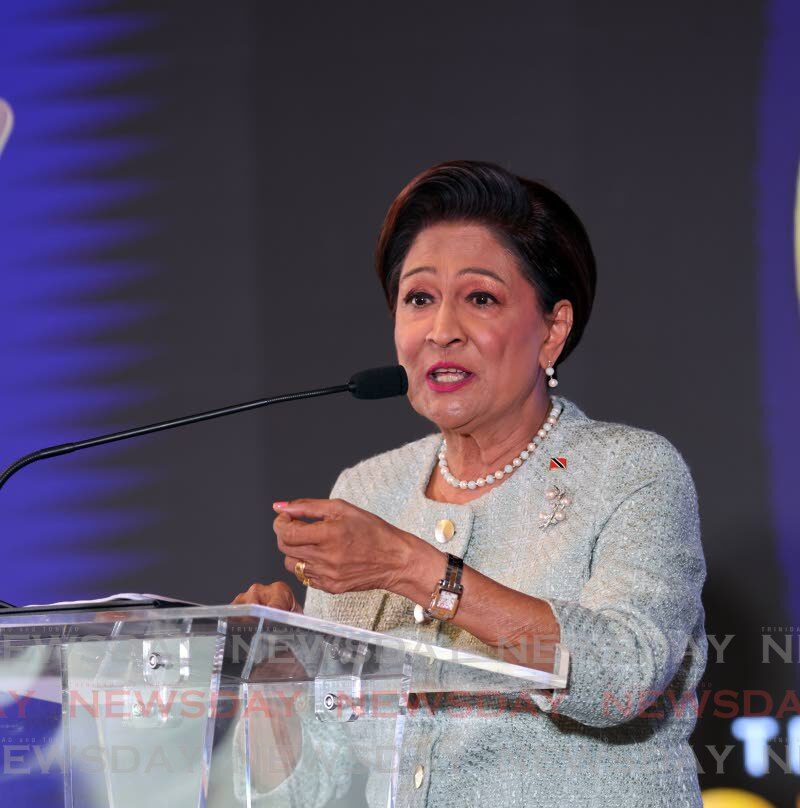
The tragic death of Romona Victor, a UNC councillor, in a reported murder-suicide carried out by her husband, Rodney Ramsumair, has once again highlighted the pervasive issue of femicide in Trinidad and Tobago. Siparia Mayor Doodnath Mayhroo urged women in abusive relationships to seek counselling and walk away, but the reality is far more complex. Despite such advice, femicides continue to rise, with 137 women and girls killed daily by intimate partners globally in 2024, according to the UN. Locally, NGOs like the International Women’s Resource Network report alarming figures for 2025, underscoring the urgency of the crisis. This grim reality reveals systemic failures: women’s complaints are often dismissed by authorities, and protection orders are not always effective. Even when women attempt to leave abusive relationships, they are frequently pursued by their former partners. The case of Ms. Victor, a well-known councillor, illustrates that no woman is immune to this violence. Prime Minister Kamla Persad-Bissessar and Opposition Leader Pennelope Beckles have both expressed their grief and called for action. Ms. Persad-Bissessar emphasized the need for a supportive environment where victims can come forward without fear, while Ms. Beckles advocated for a stronger legal system and expanded gender-based policing. However, addressing the root causes of this crisis requires a cultural shift. Harmful attitudes and stereotypes perpetuated among boys and men must be challenged. Men have a critical role to play in reshaping societal beliefs and behaviors to end this cycle of violence.