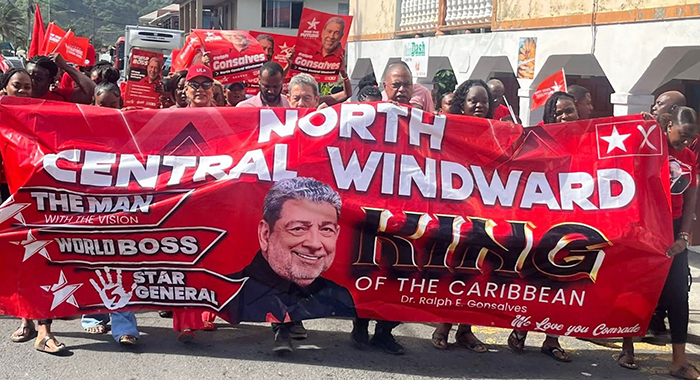
In 2001, the United Labour Party (ULP) ascended to power in St. Vincent and the Grenadines, promising governance but accused of ruling with an iron fist. Led by Ralph Gonsalves, a figure often described as power-hungry and Marxist, the ULP’s rise was marked by what critics call the ‘Roadblock Revolution,’ a manufactured crisis that propelled them into office. Over the past 24 years, Gonsalves has entrenched himself as a dominant figure, consolidating power through strategic maneuvers and alliances, including the merger of the St. Vincent Labour Party (SVLP) with his Movement for National Unity (MNU) to form the ULP. Critics argue that his leadership mirrors the allegorical ‘Animal Farm,’ where promises of equality gave way to authoritarian control. Gonsalves’ tenure has been characterized by accusations of nepotism, corruption, and the creation of a subservient electorate dependent on state handouts like Poor Relief, food vouchers, and home appliances. These tactics, critics claim, are designed to secure loyalty and perpetuate his rule. As the nation heads to the polls, many Vincentians express a desire for genuine governance—a leader who prioritizes the interests of all citizens, transcending political affiliations. The upcoming election presents an opportunity for change, with the New Democratic Party (NDP) positioning itself as an alternative to the ULP’s entrenched regime. The outcome will determine whether St. Vincent and the Grenadines continues under Gonsalves’ rule or embarks on a new path of inclusive governance.