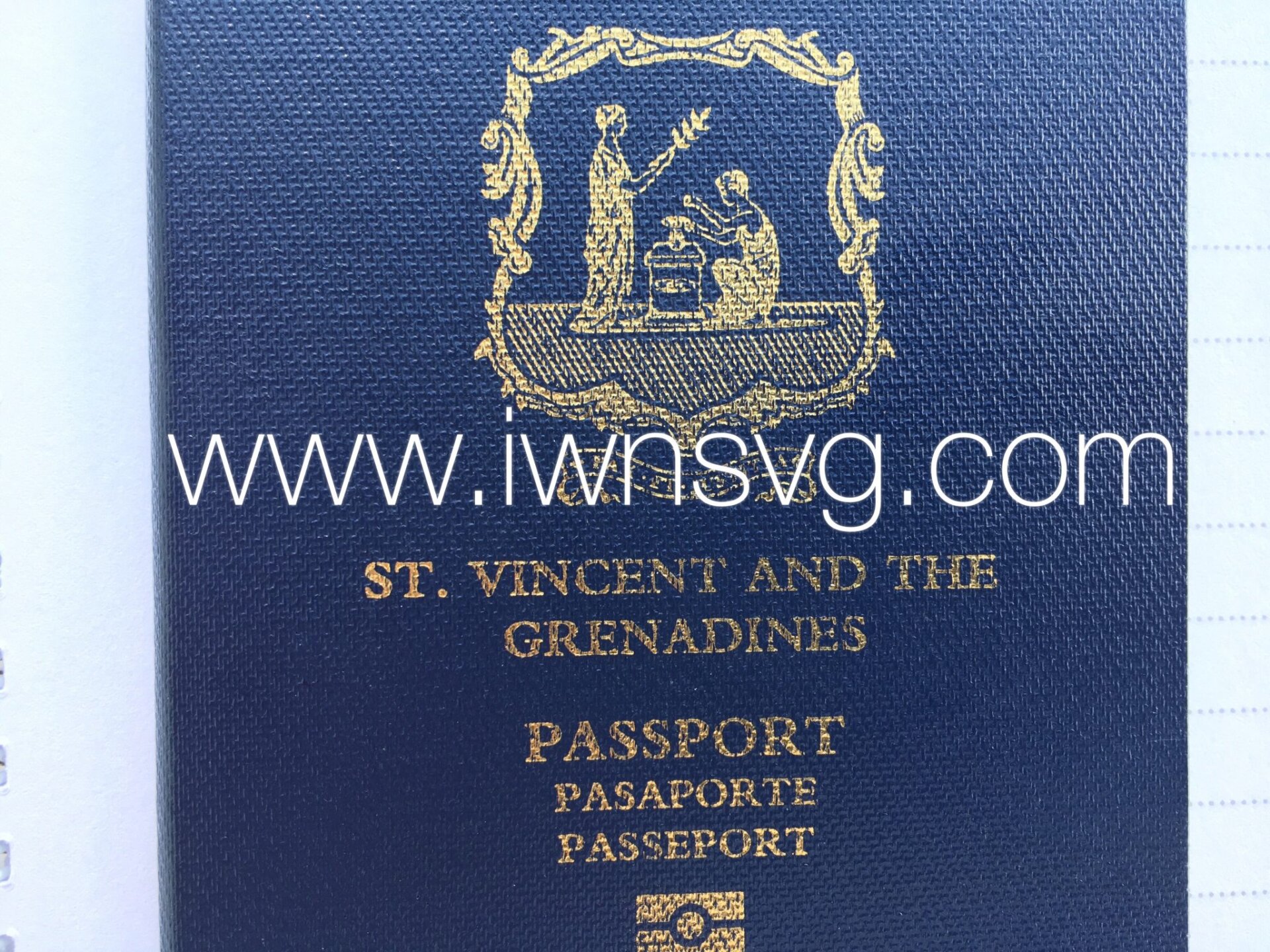
The Citizenship by Investment (CBI) programme, a transformative model of foreign direct investment, has become a cornerstone of economic growth across most Organisation of Eastern Caribbean States (OECS) nations. However, in St. Vincent and the Grenadines (SVG), this proven initiative is often overshadowed by political rhetoric, leaving citizens misinformed about its potential benefits. While neighbouring countries like St. Kitts and Nevis, Antigua and Barbuda, Grenada, Dominica, and St. Lucia have harnessed CBI to fuel their economies, SVG lags behind, missing out on decades of prosperity. CBI, also known as economic citizenship, allows individuals to obtain citizenship by investing significantly in the host country. Despite having a passport ranked similarly to its neighbours in global visa-free access, SVG continues to dismiss the programme entirely. The Eastern Caribbean Central Bank, through Governor Timothy Antoine’s proposed regulatory framework, has emphasized the importance of CBI to the region’s economic stability and advancement. Neighbouring islands have reaped tangible benefits from CBI, including modern infrastructure, luxury developments, and higher GDP per capita. For instance, St. Kitts and Nevis boasts well-maintained highways, double salary bonuses for public servants, and upscale hotels, all funded by CBI revenues. Similarly, Dominica is constructing a new international airport with CBI funding. These outcomes highlight the programme’s potential to uplift entire nations. As SVG reflects on its leadership and policy direction, it is crucial to move beyond outdated rhetoric and embrace innovative economic strategies. The nation deserves policies that elevate all citizens, ensuring a rising tide lifts every ship.