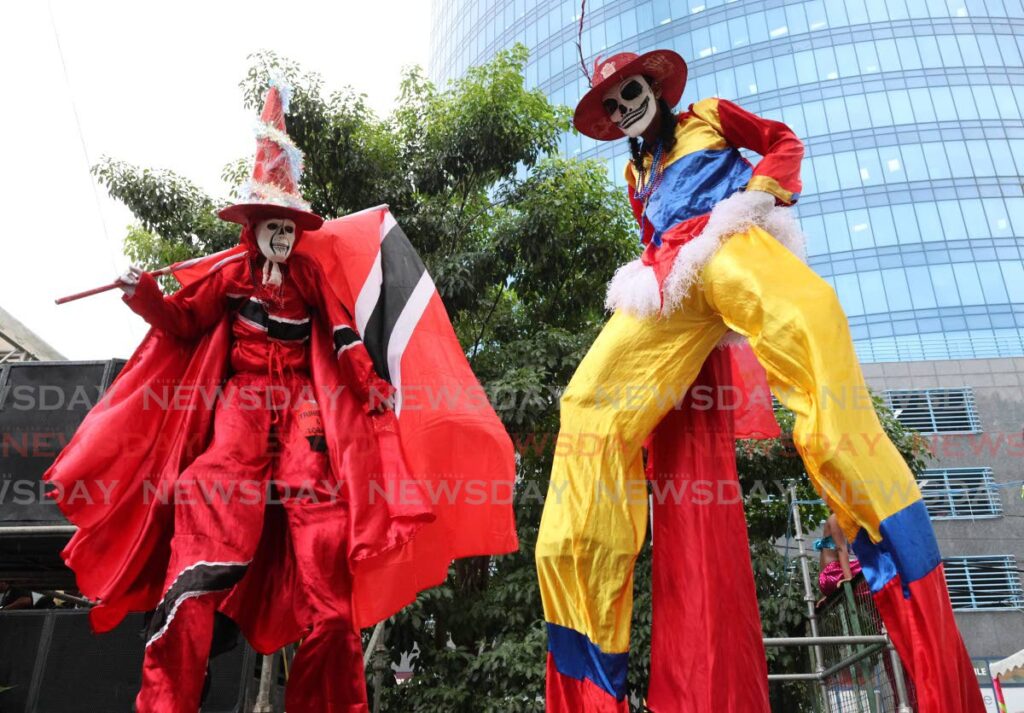
In Trinidad and Tobago (TT), a troubling trend is emerging, one that echoes the oppressive tactics of slavery and colonial rule. Recent restrictions on cultural events, inconsistent treatment of national celebrations, and the tightening of public expression are raising alarms. These measures are not indicative of modern governance but rather a regression to control mechanisms of the past. Carnival, Canboulay, stick-fighting, and pan—cultural traditions born out of resistance to oppression—are now under threat. These practices were created by people who were denied the right to celebrate, participate, and claim joy. When governments begin to limit, zone, or selectively approve cultural expression, they touch the deepest part of our history, where our ancestors fought for the right to exist openly. Alongside these cultural restrictions, harsh economic retrenchments, cuts to youth programs, and a lack of communication from national leadership are exacerbating the situation. Thousands of families are facing economic uncertainty, and young people, already grappling with violence, mental strain, unemployment, and social pressure, are losing the support systems designed to help them. The government’s withdrawal from social development, closure of youth spaces, and restrictions on cultural expression are creating a climate of frustration, hopelessness, and division. A nation cannot claim to be moving forward while dismantling the pillars that hold its people together. Culture, youth development, and fairness are lifelines, and all three are now under threat. These decisions are not ordinary; they carry weight and memory. TT has fought too long and too hard to reclaim its identity, expression, and equal cultural respect for any administration to erode it, intentionally or not. We must resist this regression, not quietly, not blindly, but with determination and resolve.