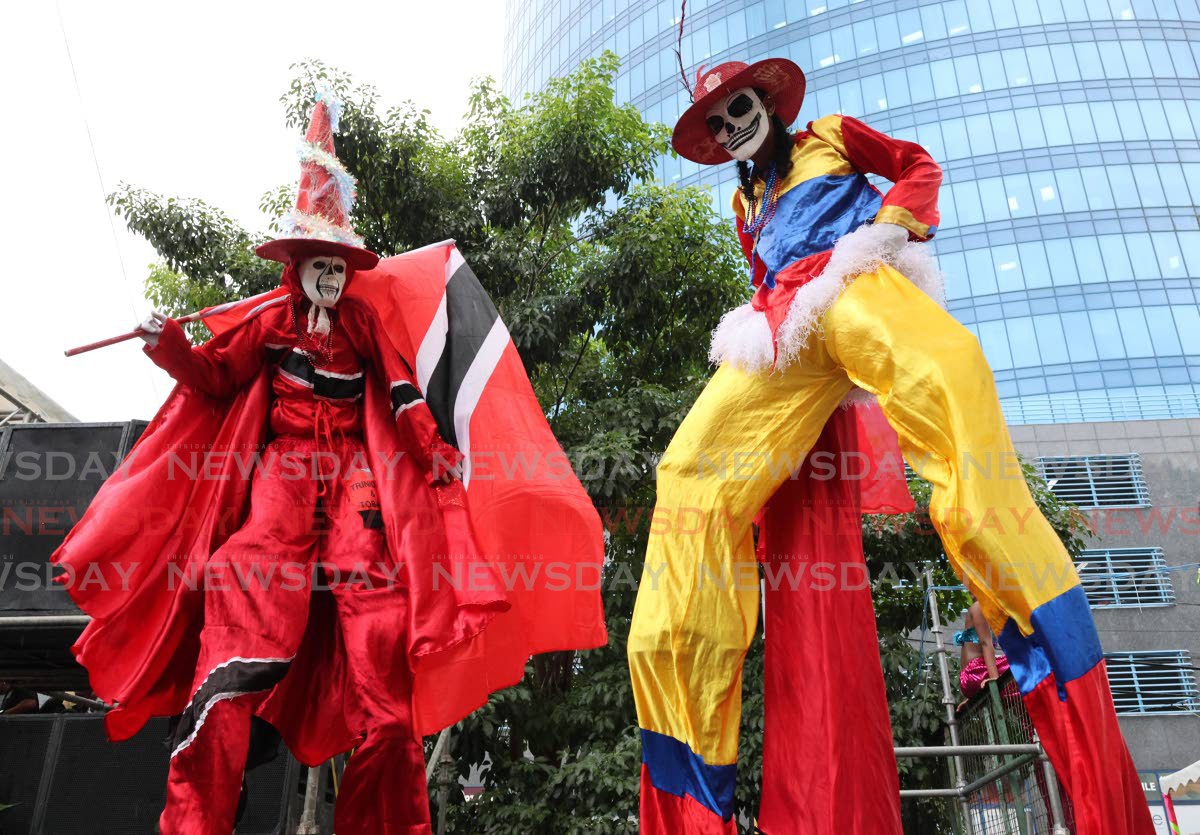
A troubling trend is emerging in Trinidad and Tobago (TT), raising alarms about the erosion of cultural freedoms and social progress. Recent government actions, including restrictions on cultural events, inconsistent handling of national celebrations, and curbs on public expression, have drawn sharp criticism. These measures are seen not as steps toward modern governance but as a concerning echo of the oppressive tactics employed during slavery and colonial rule. Cultural traditions such as Carnival, Canboulay, stick-fighting, and pan music were born out of resistance to oppression, symbolizing the fight for joy and freedom. When governments begin to limit or selectively approve such expressions, it strikes at the core of TT’s historical struggle for identity and equality. Compounding these cultural concerns are harsh economic retrenchments, cuts to youth programs, and a lack of transparent communication from national leaders. Families face economic uncertainty, while young people grapple with violence, unemployment, and mental health challenges. The withdrawal of social development initiatives and the restriction of cultural expression create an environment of frustration and hopelessness. A nation cannot claim progress while dismantling the pillars that unite its people—culture, youth development, and fairness. These decisions are not ordinary; they carry the weight of history and memory. TT has fought too long for its identity and cultural respect to allow any administration, intentionally or not, to undermine these hard-won gains. The message is clear: TT will not return to an era of oppression—not quietly, not blindly, not ever.