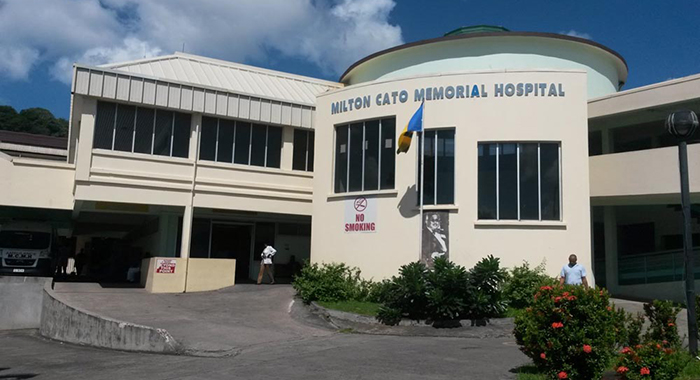
For nine months, I have been grappling with the loss of my father and the circumstances surrounding his death. While death is inevitable, the manner in which it occurs is not. My father was admitted to the hospital on a Saturday night, battling diabetes, hypertension, and other complications. I was later informed that the medication he received exacerbated his kidney issues, yet I was repeatedly assured his kidney function was ‘OK.’ The ambiguity of that term remains unresolved to this day. Upon returning home on Wednesday, I immediately sought answers, consulting doctor friends and advocating for clarity. What I discovered was deeply troubling: the hospital lacked basic supplies, such as plasters and the correct glucose percentage to stabilize his blood sugar. Despite my efforts, critical procedures were delayed. My father needed an ultrasound of his heart, but the paperwork was mishandled, and the responsible doctor had left for private practice. By Thursday night, his kidneys were failing, and his creatinine levels were rising. The next morning, we were called to sign papers for dialysis, but it was too late. My father was rushed to the ICU, where I was told his kidneys were beyond recovery, and multiple organ failure had set in. I was finally given answers, but they came far too late. The pain of reliving this ordeal is immense. My father deserved better care, and so do countless others who rely on a healthcare system plagued by resource limitations and inconsistent standards. My grief continues, not only for my father but for those who lack advocates in their most vulnerable moments.