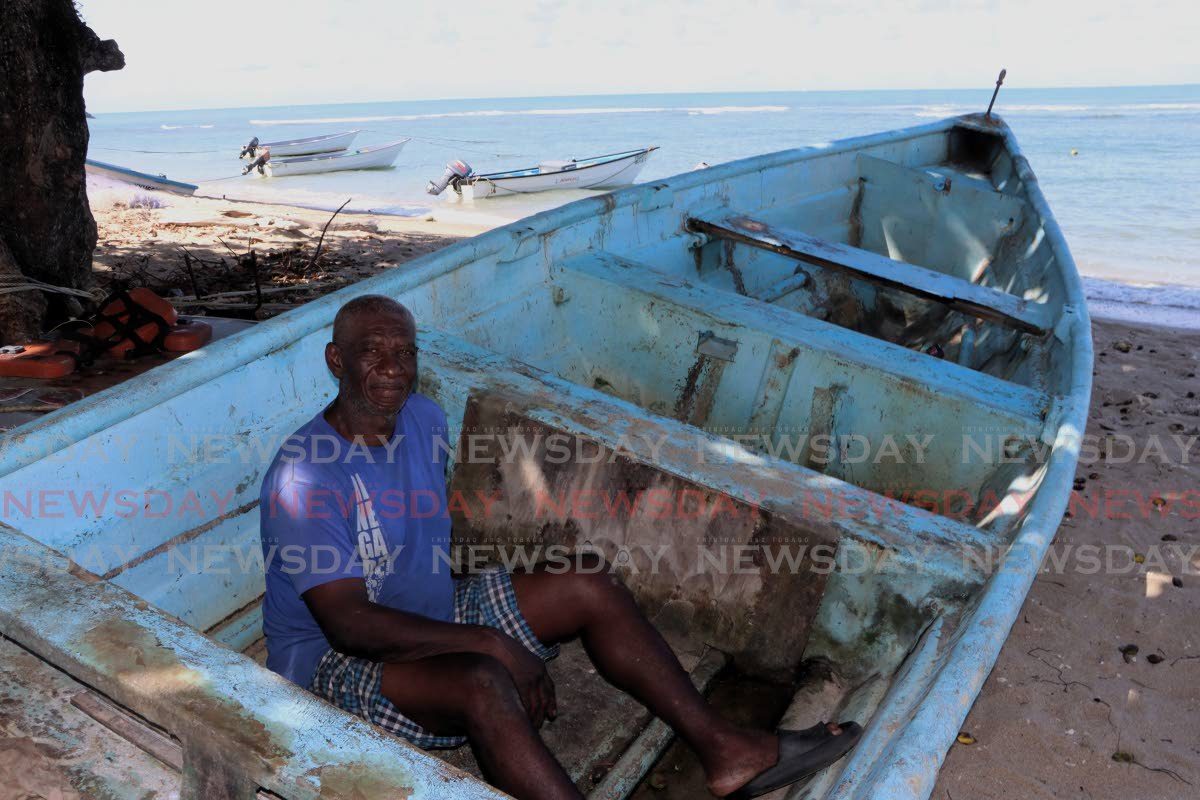
The tranquil fishing villages along Trinidad’s northeastern coast, from Salybia to Matelot, are facing unprecedented challenges as US military strikes against narco-traffickers have severely disrupted the local fishing industry. Fisherfolk, already grappling with fear and uncertainty, are hesitant to venture far from shore, leaving once-bustling fishing hubs like Toco and Saline Bay eerily quiet. The US has conducted 21 missile strikes since September 2, killing 83 individuals suspected of drug trafficking in the Caribbean Sea and eastern Pacific Ocean. This military escalation, coupled with thousands of marines and naval vessels stationed in the region, has created a tense atmosphere for coastal communities. At the Toco Fishing Centre, a key hub for fresh fish, stalls remain empty, and the compound is deserted, a stark contrast to its former vibrancy. Nearby, fish vendor Nixon Kissoon, 53, and his nephew Andrew struggle to adapt to the new reality. Nixon highlights the Coast Guard’s restrictions, which limit fishing to within two miles of the shore, making it nearly impossible to catch deep-water species like carite and kingfish. Fishermen on the west and south coasts face similar constraints. Nixon, a veteran of the industry, has pivoted to transporting fish from Orange Valley to Manzanilla and Toco, but the rising costs of fuel and wholesale fish have placed immense financial strain on families. Veteran fisherman Winston Miller, 63, echoes these concerns, describing the situation as a “high-risk gamble.” The economic fallout extends beyond fishing, with local businesses like clothing shops and food outlets closing early. Former MP Roger Munroe notes that the Toco lighthouse, a potential tourist attraction, remains closed. Calls for government intervention, such as subsidies, have grown louder, but local officials remain unresponsive. As the crisis deepens, the once-thriving coastal communities face an uncertain future.