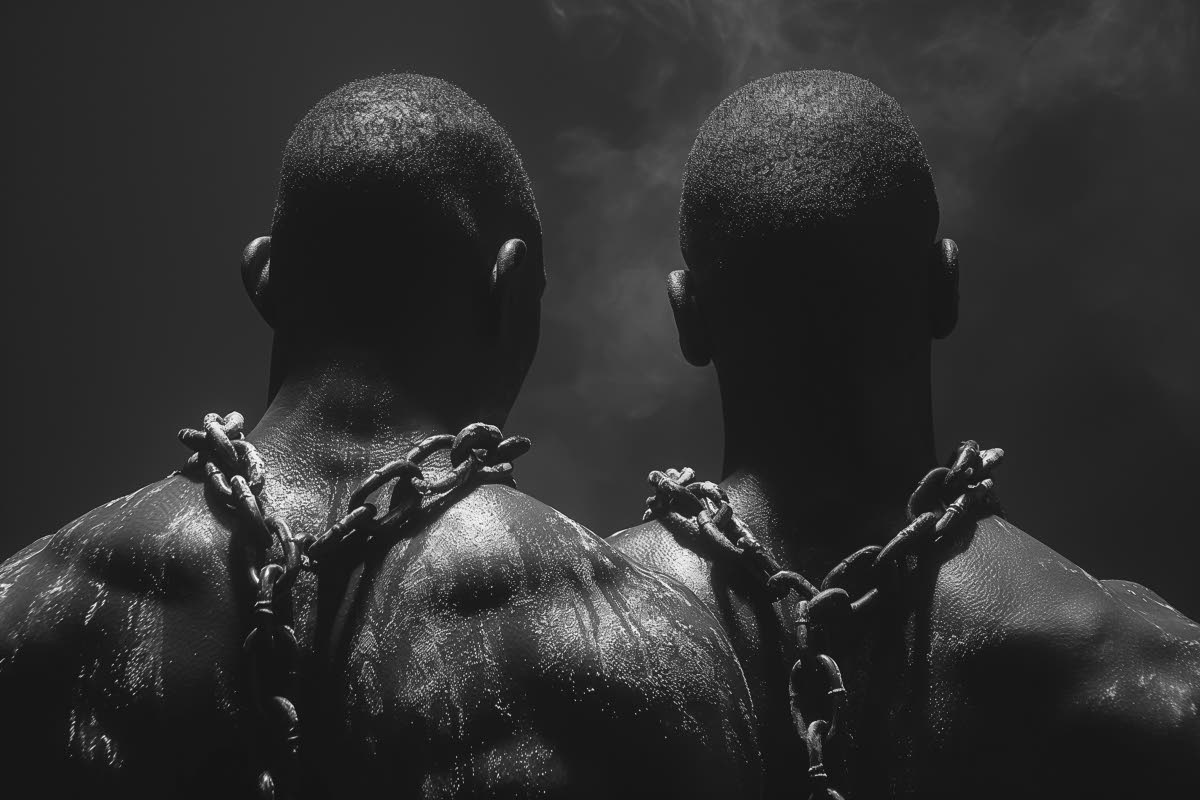
From the 17th to the 19th century, Tobago became a battleground for European powers vying for control, with enslaved Africans thrust into the heart of this turmoil. The Courlanders, Dutch, French, and British imported Africans to meet their labor demands, not only for agricultural production but also for military purposes. These enslaved individuals were instrumental in building forts, clearing land, and even fighting in wars that were not their own. Their lives were shaped by the relentless competition among European settlers, who relied on slave labor to establish and defend their settlements. Between 1656 and 1807, thousands of Africans were forcibly brought to Tobago, with the British alone transporting 51 shiploads. Despite their significant contributions, the history of these Africans was often erased with the departure of their European captors. The island’s forts, such as Fort Jacobson and Fort King George, stand as enduring reminders of their forced labor. Enslaved Africans were also tasked with clearing paths, carrying supplies, and supporting their owners in battles, often becoming the first casualties. The lack of records for African casualties underscores the dehumanization they endured. Beyond warfare, they were subjected to harsh plantation labor, producing sugar, cotton, and dyes under oppressive conditions. Despite their exploitation, some Africans were trained as gunner assistants and even formed part of the Tobago Black Corps, a militia unit. Their multifaceted roles highlight the brutal realities of colonialism and the resilience of those who endured it.