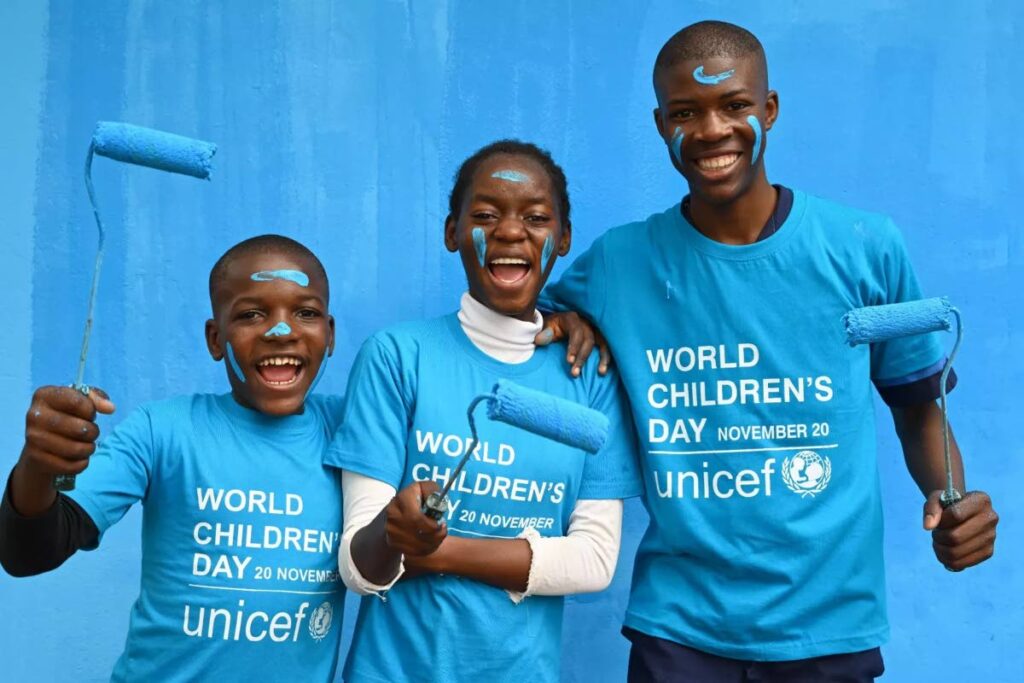
In many Caribbean households, including Trinidad and Tobago (TT), the age-old saying ‘children should be seen and not heard’ has long been a cultural norm. Rooted in traditional values, this adage emphasized children’s passive role in adult-dominated spaces, discouraging them from voicing their opinions or interrupting elders. However, as global perspectives on childhood have evolved, this proverb now stands in stark contrast to modern understandings of children’s rights, marking a shift from enforced silence to active participation.
The phrase ‘children should be seen and not heard’ reflects a hierarchical view of family and society, where adults held authority and children were expected to learn through observation rather than vocal expression. While this approach aimed to instill discipline, it often stifled children’s natural curiosity and self-expression. In TT, a nation rich in cultural diversity, this saying shaped family gatherings, schools, and community events, influencing how children navigated social spaces.
The 20th and 21st centuries brought a profound re-evaluation of such norms. In 1989, the United Nations Convention on the Rights of the Child (UNCRC) was adopted, becoming the most widely ratified human rights treaty in history. The UNCRC outlines fundamental rights for children, including the right to express their views freely, be heard in matters affecting them, and participate in decisions shaping their lives. This landmark agreement has transformed children’s lives globally, challenging outdated adages and promoting a world where young people are active contributors to society.
On Universal Children’s Day, November 20, 2025, the theme ‘My Day, My Rights’ emphasized amplifying children’s voices and understanding how their rights are present, missing, or pursued in daily life. This theme aligns with the 35th anniversary of the UNCRC, urging active participation by children in shaping their world. Rather than being passive observers, children are now encouraged to share their experiences, advocate for their needs, and influence policies. This shift fosters dialogue between adults and young voices, building inclusive communities and addressing global disparities.
The benefits of children’s rights extend far beyond rhetoric, offering tangible improvements worldwide. The UNCRC has driven initiatives to end child labour, combat trafficking, and provide mental health support. In countries like Sweden and Canada, robust implementation of the convention has enabled children to participate in school councils and family decisions, fostering confidence and resilience. Globally, it has reduced child mortality rates and increased literacy, empowering generations to break cycles of poverty.
In TT, the UNCRC’s principles have been integrated into the legal framework, including the Children Act of 2012, which emphasizes children’s best interests, protection from harm, and the right to be heard. This has led to advancements in child welfare, such as improved access to education and healthcare, and efforts to combat issues like child abuse and juvenile delinquency. Programmes like the Child Protection Unit safeguard vulnerable children, while school initiatives encourage student voices through councils and debates.
Despite progress, challenges remain. In TT, issues like poverty, domestic violence, and limited resources hinder the full realization of children’s rights. Globally, conflicts in places like Ukraine and Yemen continue to threaten children’s rights, underscoring the need for ongoing advocacy. The ‘My Day, My Rights’ theme serves as a reminder that progress requires collective action from governments, families, and communities.
In conclusion, the adage ‘children should be seen and not heard’ reflects a bygone era of enforced quietude, but the UNCRC and Universal Children’s Day 2025 herald a new chapter of empowerment. By prioritizing children’s voices, we unlock their potential, benefiting societies in TT and worldwide. As we celebrate on November 20, 2025, let us commit to a world where children are not just seen, but truly heard – shaping a brighter, more equitable future for all.