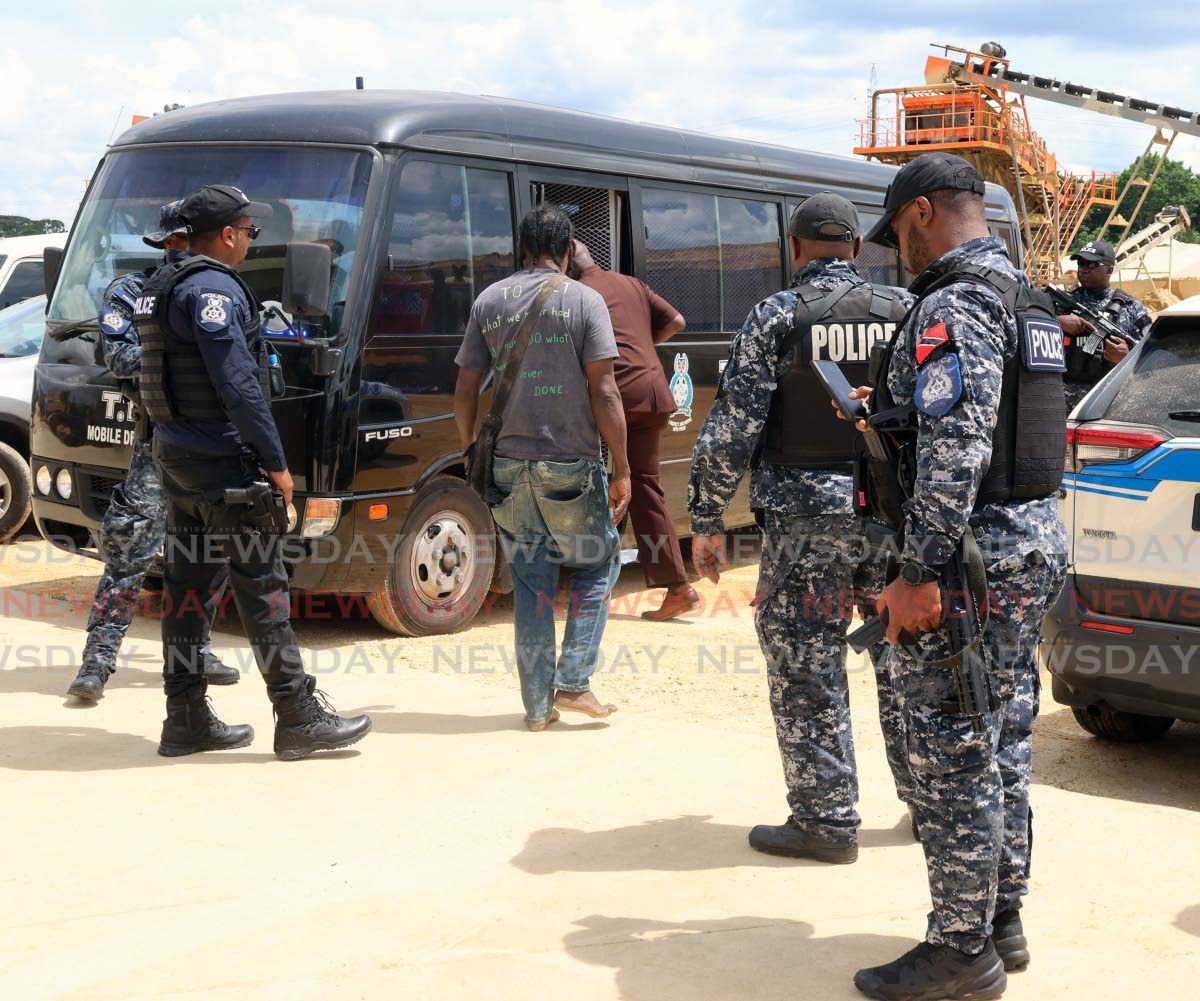
The Multi-Agency Task Force (MATF) in Trinidad and Tobago is ramping up efforts to dismantle illegal quarry operations, targeting unlicensed operators who exploit the nation’s resources. Superintendent Leon Haynes, head of the MATF, revealed in a recent interview that only nine companies currently hold full mining or aggregate processing licenses, while 13 others operate under temporary “holdover” permits issued by the energy minister. Despite these regulations, numerous unlicensed operators continue to extract materials, often in remote areas, evading detection. Haynes emphasized that illegal quarrying is a top priority for the MATF, with enforcement actions including arrests, fines, and imprisonment. The issue gained national attention earlier this month when the Trinidad and Tobago Aggregate Producers Association (TTAPA) protested outside National Quarries Ltd (NQL), accusing the state-owned company of operating without a valid license. TTAPA President Nigel Tenia claimed that none of the association’s 24 members has ever received a processing license for sand and gravel, alleging a systemic failure in the licensing process. Energy Minister Dr. Roodal Moonilal countered these claims, stating that numerous processing licenses have been issued in recent years. However, Haynes expressed skepticism, noting that many applicants fail to meet regulatory requirements within the stipulated three-month period. The MATF’s crackdown has already resulted in 47 arrests between 2020 and 2025, with offenders charged for illegal mining and processing activities. Police Commissioner Allister Guevarro warned that illegal quarrying fuels organized crime and undermines national security. Transparency gaps in the Ministry of Energy’s oversight have further complicated the issue, with outdated public records and a lack of clarity on legally compliant operators. The TT Extractive Industries Transparency Initiative’s 2024 report highlighted significant unpaid royalties and environmental damage caused by illegal quarrying, underscoring the urgent need for improved monitoring and enforcement.